Javan Rhinos Face Extinction Risk in Their Last Refuge
Fewer than 100 Javan rhinos remain in the wild, all in one Indonesian national park, renewing debate over establishing a second habitat.
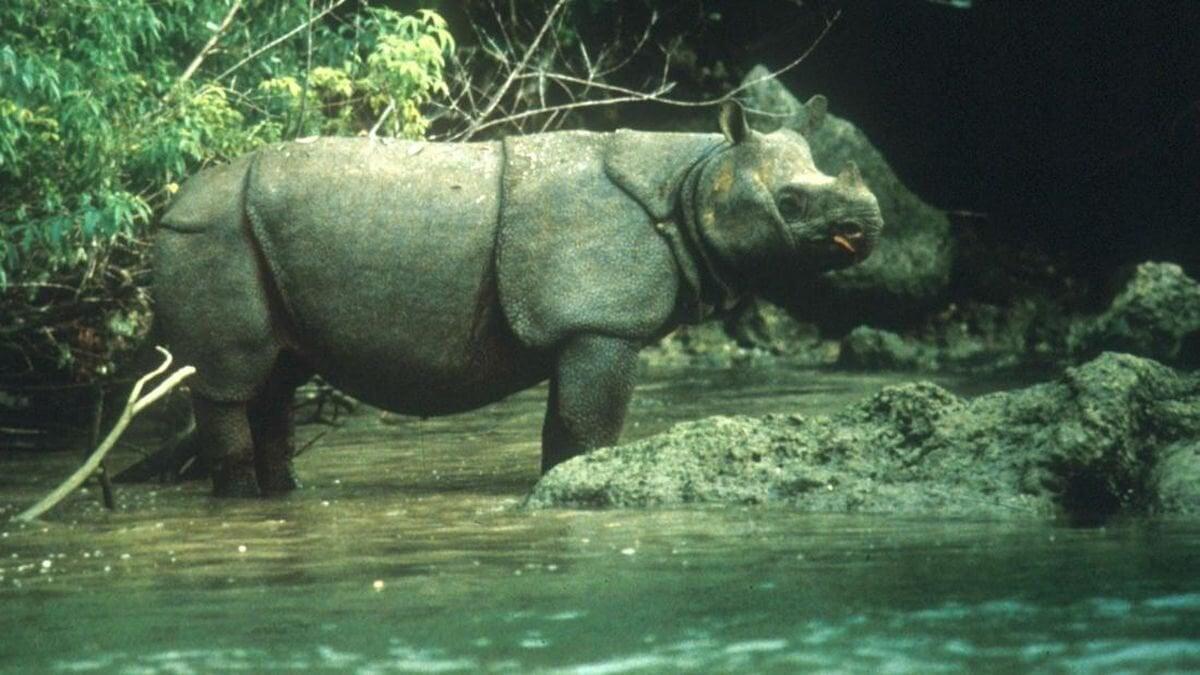
JAKARTA — Fewer than 100 Javan rhinos remain in the wild, all in a single Indonesian national park, leaving the critically endangered species vulnerable to being wiped out by a disaster or other threats concentrated in its last refuge.
The entire natural population lives in Ujung Kulon National Park in Banten province on the western tip of Java. Conservation expert Harini Muntasib of IPB University said its presence there was both a source of pride and a major responsibility for Indonesia.
A proposal to move some rhinos to Alas Purwo National Park in East Java has resurfaced after Hashim Djojohadikusumo, the brother of President Prabowo Subianto and presidential special envoy for climate and energy, raised the idea. A second habitat could help guard against the risk posed by a tsunami or an eruption of Anak Krakatau volcano. The move remains a proposal, not an announced relocation.
One population, multiple threats
Javan rhinos once ranged across much of Asia, including Indonesia, Malaysia, Vietnam, Myanmar, India and Bangladesh. Hunting and habitat loss drove their decline. The last Javan rhino in Vietnam was killed by poachers in 2010, leaving Indonesia as the only country with a natural population.
The International Union for Conservation of Nature lists the species as critically endangered, its highest risk category short of extinction in the wild. The World Wildlife Fund has warned that losing the Ujung Kulon population would mean losing the entire species.
Poaching remains a threat, alongside habitat degradation, disease and low genetic diversity. A small population confined to one area faces a greater risk of inbreeding, which can weaken health and reproduction. Some rhino deaths have been linked to diseases suspected of being transmitted by other wild animals entering the habitat.
A role in the forest
Human activities including tourism, mining and encroachment also put pressure on the park's habitat, affecting food, water and space for the rhinos. The animals eat about 50 kilograms of vegetation a day, opening up growth as they forage and spreading seeds through their droppings.
Harini has also highlighted external threats as a consideration in developing a new habitat. The proposed move to Alas Purwo is one option being discussed to reduce the species' dependence on a single location.
 Take the quizWhat Kind of Holiday Spender Are You? Take the Black Friday QuizStart →
- 1Stock Market Today: Dow Slides 1.34% and VIX Jumps 15% at Midday

- 2Joachim Klement to Sell Stocks After S&P 500 Signal

- 3Stock Market Today: Nasdaq, S&P 500 Futures Slide as AI Selloff Deepens

- 4Kenneth Walker’s Groin Injury Puts Cardinals Game in Doubt

- 5Pat Cummins Faces Captaincy Doubts From Mitchell Johnson

 Lifestyle · Food & HealthNormal Blood Pressure Chart by Age: Healthy Ranges Explained
 Lifestyle · Food & HealthWhat Is Raynaud’s Syndrome? Why Fingers Turn White in the Cold
 Lifestyle · Food & Health4 Ways Walking After Meals Helps Your Body, Doctors Say
 Lifestyle · Food & Health4 Reasons to Eat Oatmeal, According to Nutrition Experts