Technology
The latest technology news and analysis from JournalArta Global.
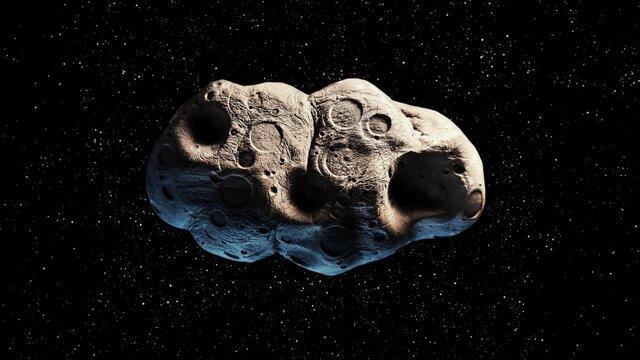
1998 KY26: Scientists Question Dark-Comet Explanation for Acceleration
The 11-meter asteroid 1998 KY26 is accelerating in a way that challenges the usual explanations for how space rocks move. Researchers say a proposed explanat...



Latest
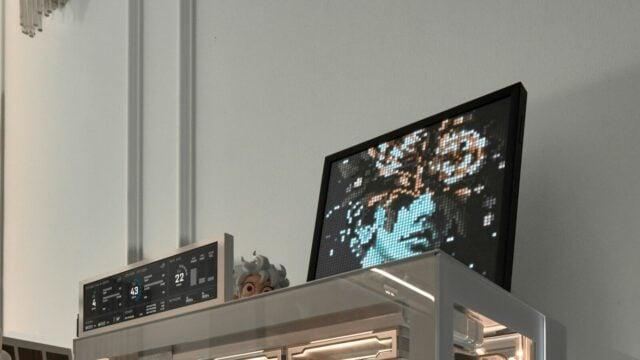
High-End 4K Gaming PC Can Cost $3,700 or More in 2026
A high-end gaming PC built for native 4K at ultra settings can cost $3,700 and up, depending on component choices and availability. A typical build includes an Nvidia GeForce RTX 5080 16GB, while volatile GPU and memory prices can push costs higher.
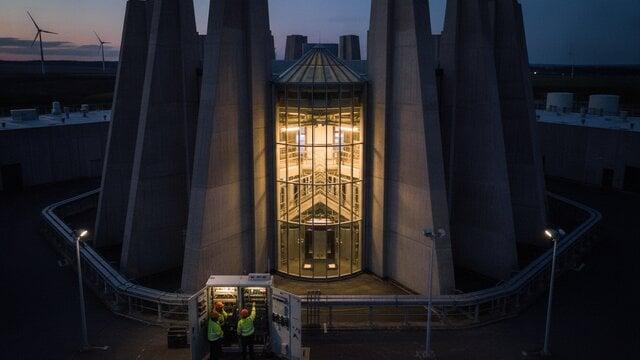
DataVita: Lanarkshire AI site will be fully grid-served
DataVita has revised its energy plan for a major AI data center near Glasgow, saying the site will be fully served by the National Grid
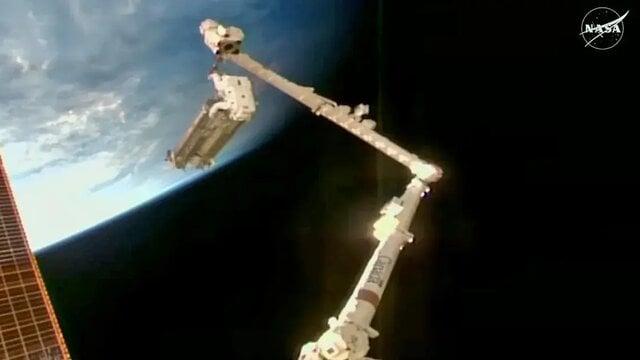
Space Station: Final Solar Array Installed by Spacewalkers
NASA astronauts Anil Menon and Joshua Kutryk installed the International Space Station’s eighth and final roll-out solar array during a spacewalk lasting six hours and 59 minutes. The new panel was extended to 63 feet, completing a power upgrade that began in 2021.
CERN LHCb Finds Evidence of an Ultra-Rare Particle Decay
British scientists working on CERN’s LHCb experiment have found evidence of a particle decay expected to occur once in every ten billion decay events. The result, based on data collected from 2011 to 2018 and in 2024 and 2025, has a statistical significance of 3.2 sigma and awaits peer review.
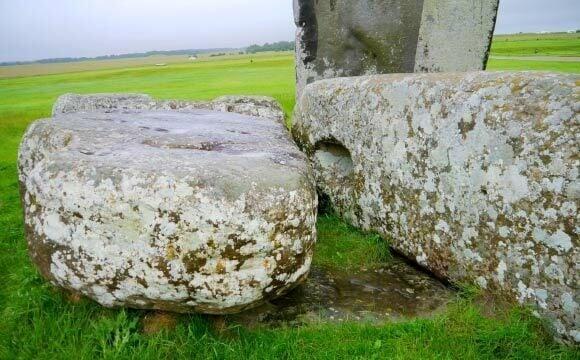
Stonehenge’s Altar Stone Still Has No Confirmed Source
A new geological analysis challenges the leading theory that Stonehenge’s Altar Stone came from northeastern Scotland, but researchers have not ruled the region out. The team compared mineral and chemical features from museum fragments and exposed patches of the stone, finding that none of the locations examined matches it fully.
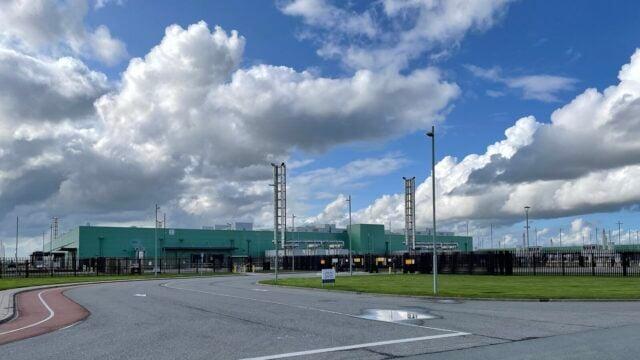
Microsoft Data Centre Site Breached by Amsterdam Protesters
More than 100 activists entered a Microsoft data centre construction site in Amsterdam on Friday, climbing cranes and calling for a halt to large-scale projects. The protest opened two days of planned actions across 16 countries. The dispute centers on data centres’ demands for electricity and water, while Microsoft and the project’s owner said they support peaceful expression and dialogue.
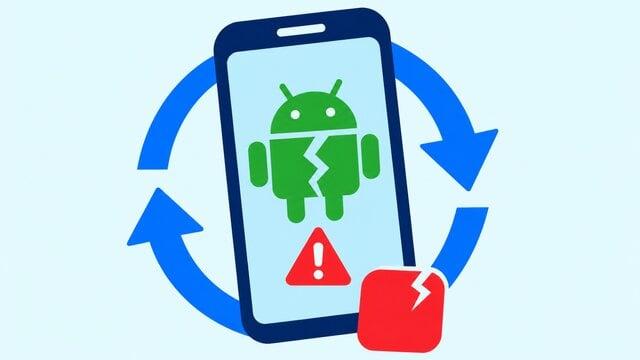
GhostMap: Android bug can force a phone into a crash loop
A flaw in Android can leave a phone repeatedly crashing after a specially crafted app is installed, even if the user never opens it or
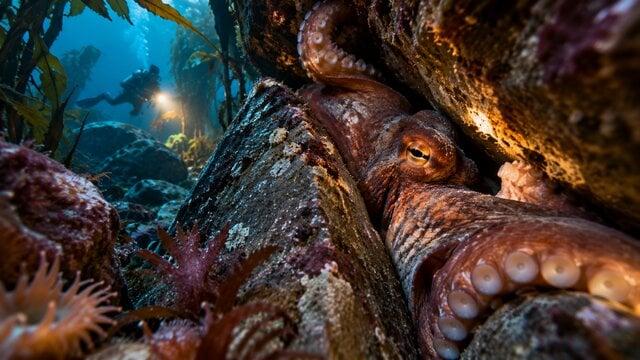
Octopuses Can Squeeze Bodies Through Holes Smaller Than Their Eyes
Researchers documented how common octopuses change their movements to pass through openings of different sizes. They use a three-step sequence for wider gaps and add a separate step for tighter ones, moving their arms before squeezing the mantle through. The findings could help engineers design robots that carry sensors and tools into confined spaces.
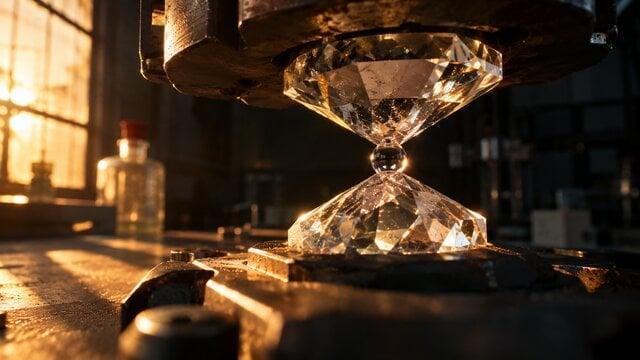
Scientists crushed water between diamonds at extreme pressure
Researchers squeezed a tiny water droplet between diamond tips at pressures exceeding 222 gigapascals, observing an unusual change in the structure of ice. The laboratory result offers a new way to examine what water may be like inside planets such as Uranus and Neptune, though the experiment matched pressure, not temperature.
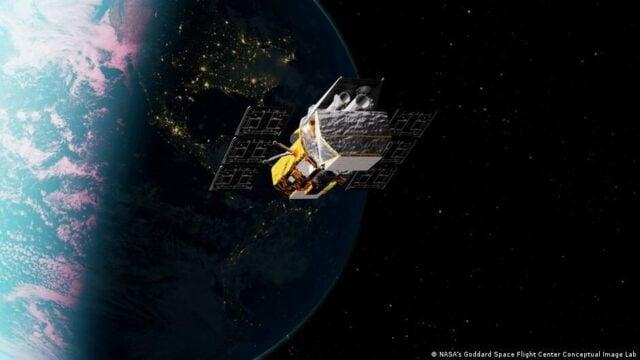
NASA’s Swift Space Telescope Falls Back to Earth
NASA’s Swift space telescope re-entered Earth’s atmosphere over North Sumatra, Indonesia, on Wednesday after nearly 22 years in orbit. The observatory studied gamma-ray bursts and other cosmic events, contributing to nearly 7,000 published scientific papers. A private rescue mission failed after its servicing spacecraft developed attitude-control problems, and Swift stopped operating on October 20.
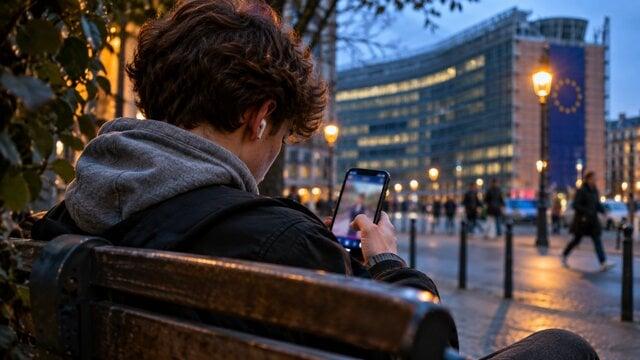
TikTok Must Change For You Feed or Face EU Fines
The European Commission says TikTok’s personalised For You feed can lead users into harmful “rabbit holes” and may violate EU digital rules. The platform could

OpenAI GPT-6 Cyber: 81 Firefox Flaws, 948 Linux Exploits
AI-assisted security research can expose weaknesses before attackers exploit them — but the same tools can also produce working attack code. OpenAI says its new
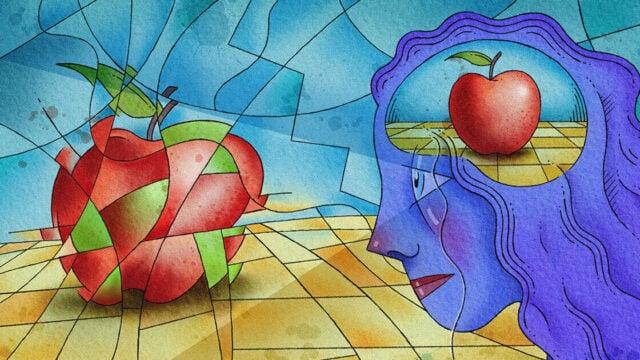
PBR theorem challenges Einstein’s idea of objective reality
A theorem developed by Matthew Pusey, Jonathan Barrett and Terry Rudolph has challenged the idea that quantum mechanics reflects incomplete knowledge of an objectively real world. Physicist Jacques Pienaar recalled that he saw the result as ending that research program. Experimental work has since tested the theorem, renewing questions about what quantum mechanics says reality can be.
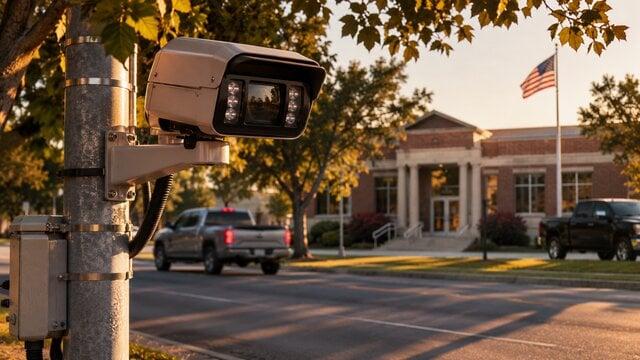
Flock Safety: At Least 10 US Governments Move to Drop Cameras
At least 10 U.S. local governments and police departments have moved since summer to curb or end their use of Flock Safety surveillance technology. The

Xbox redesign cuts PC app launch time by up to 60%
Xbox Insiders can begin testing a redesigned PC app that Microsoft says launches up to 60% faster, with simpler navigation intended to work better with

YouTube Redesign Moves Subscriptions Tab, Triggers User Backlash
YouTube is rolling out a redesigned mobile app that removes Subscriptions from the bottom navigation bar, prompting complaints from users accustomed to reach...
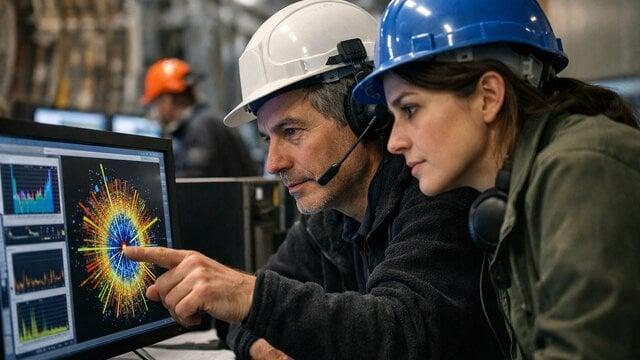
LHCb Particle Decay Opens a Door to the Zeptoverse
Scientists at CERN have found evidence of a rare neutral B meson decay into a muon and an antimuon, a process predicted to occur once in every 10 billion decays. The result marks a first experimental signal of a phenomenon pursued for more than four decades and offers researchers a new way to test the limits of particle physics.
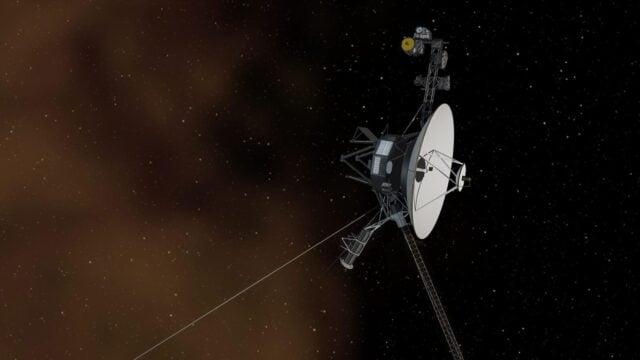
NASA’s Voyager 1 Probe Restores Contact After 48-Hour Gap
NASA’s Voyager 1 probe has resumed communications after going silent for about 48 hours in October. Engineers say a thruster group switched off and its backup activated automatically, while the cause of the communications glitch remains under investigation. The spacecraft is approaching a one-light-day distance from Earth, making each command and reply take nearly a day to travel.
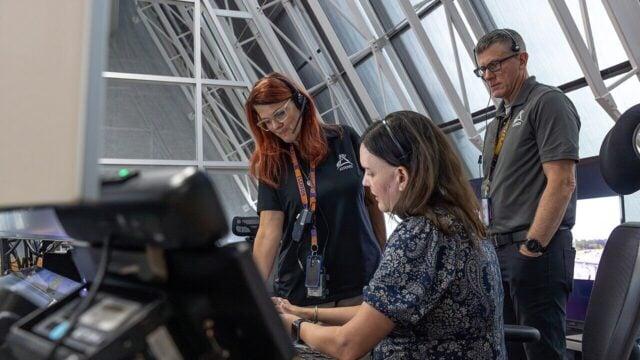
Artemis II Launch Left Strong GPS Impact on Earth
The Artemis II launch in April 2026 disturbed Earth’s ionosphere, creating two broad gaps and GPS positioning errors of several feet, researchers found. Study co-author Charles Lin said a couple of meters can be enough to make an autonomous car change lanes. The findings also raise concerns about drone positioning as more missions travel beyond Earth.
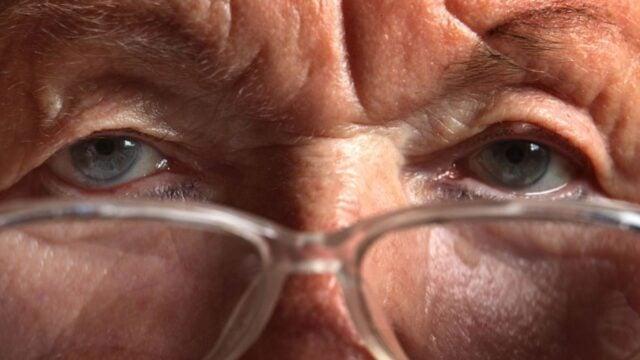
Scientists grow human lens in lab from stem cells
Researchers at Anglia Ruskin University and collaborators grew miniature human lens tissue from reprogrammed adult cells. The lab-grown structures resemble natural lenses and may help scientists test medicines and study eye diseases. The team also found that cells from the mini lenses could generate new lens-like structures, a finding researchers say could inform future regenerative treatments.