Australia’s Renovators Face Asbestos in One in Three Homes
An estimated one in three Australian homes contains asbestos, prompting safety warnings as renovation spending reaches a historic high. Industry and government experts say ordinary repairs can disturb materials containing the hazardous fibers, and homeowners should seek professional help before starting work.
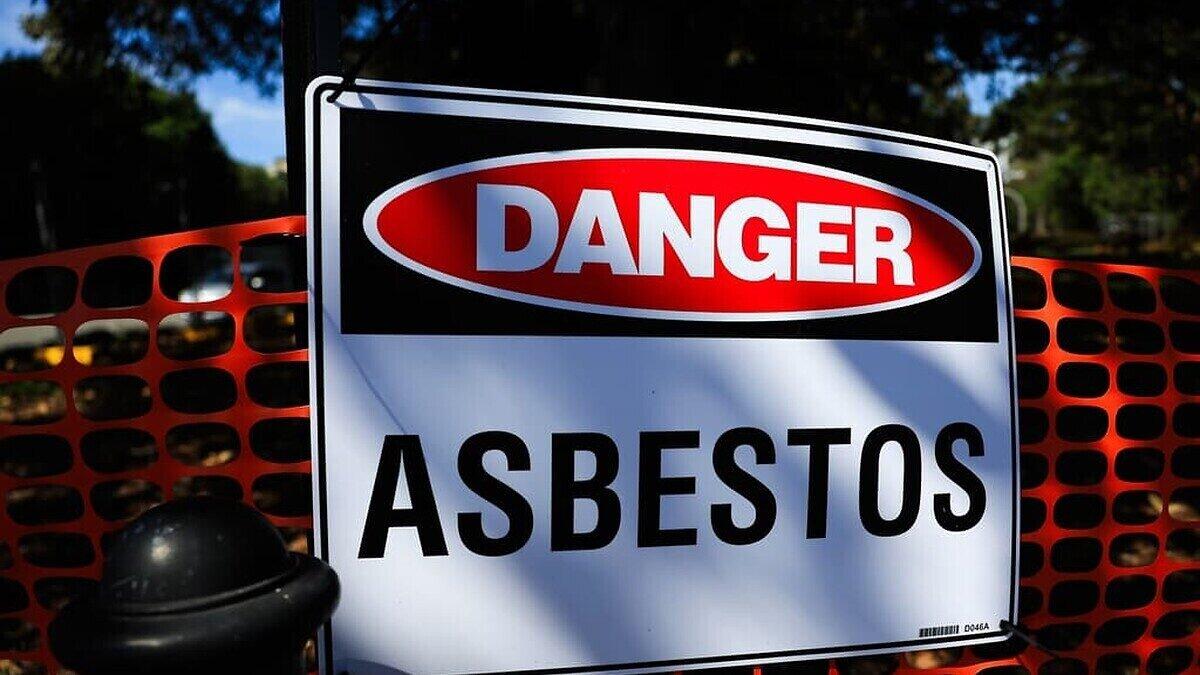
An estimated one in three Australian homes contains asbestos, prompting warnings for renovators after spending on home improvements reached $4.15 billion in the 2026 June quarter. Experts say ordinary repairs can disturb asbestos-containing materials and release harmful fibers.
Asbestos was used in more than 3,000 building products. Safety advocates urge homeowners to seek professional help to assess and remove it before renovations begin.
Asbestos Education Committee chair Clare Collins said the June quarter was the highest three-month period for renovation spending since 1974. She raised concerns about limited homeowner knowledge, the cost of living and rising interest rates.
Routine repairs can disturb asbestos
Drilling into a wall, replacing flooring, repairing a fence or renovating a bathroom can disturb materials containing asbestos, said Jodie Deakes, chief executive of the Asbestos and Silica Safety and Eradication Agency.
Some asbestos-containing materials in Australian buildings are now up to 100 years old. Deakes said deterioration has increased the risk of harmful fibers being released.
“Asbestos is often thought of as a problem of the past, but its deadly legacy is still with us,” Deakes said.
She warned that younger tradespeople and do-it-yourself renovators are working on buildings where asbestos remains. Skipping checks or taking on repairs without knowing asbestos is present can create a health risk and an expensive cleanup, she said.
Exposure extends beyond workplaces
Data released by the Australian Mesothelioma Registry showed that more than 90% of diagnosed cases were linked to possible or probable asbestos exposure. Of those cases, 94% reported non-occupational exposure.
Mesothelioma is among the asbestos-related diseases that also include asbestosis and lung cancer. More than 4,000 Australians die each year from asbestos-related diseases.
Collins said workplace exposure historically meant men were more likely to receive a mesothelioma diagnosis. Over the past 40 years, she said, cases have consistently risen among people exposed outside work, particularly renovators, including women.
In Adelaide, Specialised Services director George Chronis said demand for asbestos removal remains strong as older homes are renovated, extended or demolished for new developments.
Chronis cited SafeWork SA data showing a 57% increase in asbestos removal notifications between 2019 and 2024. He warned that asbestos cannot be identified simply by looking at a building material.
 Take the quizWhat Kind of Holiday Spender Are You? Take the Black Friday QuizStart →
- 1Stock Market Today: Dow Slides 1.34% and VIX Jumps 15% at Midday

- 2Joachim Klement to Sell Stocks After S&P 500 Signal

- 3Stock Market Today: Nasdaq, S&P 500 Futures Slide as AI Selloff Deepens

- 4Kenneth Walker’s Groin Injury Puts Cardinals Game in Doubt

- 5Pat Cummins Faces Captaincy Doubts From Mitchell Johnson

 Lifestyle · Food & HealthNormal Blood Pressure Chart by Age: Healthy Ranges Explained
 Lifestyle · Food & HealthWhat Is Raynaud’s Syndrome? Why Fingers Turn White in the Cold
 Lifestyle · Food & Health4 Ways Walking After Meals Helps Your Body, Doctors Say
 Lifestyle · Food & Health4 Reasons to Eat Oatmeal, According to Nutrition Experts