Normal Blood Pressure Chart by Age: Healthy Ranges Explained
A normal adult blood pressure reading is under 120/80 mmHg under US guidelines, while the NHS diagnoses high blood pressure at 140/90 mmHg or higher in clinic checks.
For most adults regardless of age, normal blood pressure is below 120 mmHg systolic and below 80 mmHg diastolic, according to the American Heart Association (AHA) and the National Heart, Lung, and Blood Institute (NHLBI). Rather than rising automatically with each decade, healthy adult thresholds stay fixed—though UK clinicians use a higher diagnostic cutoff of 140/90 mmHg.
The short version
- Normal adult range (US): Less than 120 mmHg systolic and less than 80 mmHg diastolic.
- UK diagnostic threshold: The NHS generally considers 140/90 mmHg or higher in a clinic to be high blood pressure.
- Why age still matters: Systolic pressure tends to climb as arteries stiffen after age 50, making regular checks essential.
- Emergency cutoff: Readings above 180/120 mmHg require immediate medical attention, especially with chest pain, shortness of breath, or vision changes.
Adult blood pressure chart and category thresholds
In both the United States and the United Kingdom, adult blood pressure charts group readings by risk level rather than assigning a separate normal range for every birthday. Under AHA and NHLBI guidelines, hypertension begins at 130/80 mmHg; if your top and bottom numbers fall into different tiers, your reading belongs to the higher category.
| Category (AHA / NHLBI) | Systolic (Top Number) | Diastolic (Bottom Number) | Recommended Action |
|---|---|---|---|
| Normal | Less than 120 mmHg | Less than 80 mmHg | Maintain heart-healthy diet and regular physical activity |
| Elevated | 120–129 mmHg | Less than 80 mmHg | Adopt lifestyle changes to prevent progression to Stage 1 |
| Stage 1 Hypertension | 130–139 mmHg | 80–89 mmHg | Lifestyle changes; medication considered based on heart risk |
| Stage 2 Hypertension | 140 mmHg or higher | 90 mmHg or higher | Prescription medication plus lifestyle changes |
| Severe Hypertension / Crisis | Higher than 180 mmHg | Higher than 120 mmHg | Recheck after 1 minute; call emergency services if symptoms appear |
In the UK, the NHS uses slightly different diagnostic cutoffs. A clinic reading of 140/90 mmHg or higher typically prompts follow-up with a home blood pressure monitor over several days or a 24-hour ambulatory monitor before confirming hypertension.
How age affects your blood pressure numbers
Age does not change what counts as normal, yet it strongly influences how your numbers behave over time. According to the AHA, systolic blood pressure—the force against artery walls when the heart beats—usually rises after age 50 as large arteries stiffen and become less elastic.
For adults over 50, the AHA notes that systolic pressure tells doctors more about cardiovascular risk than diastolic pressure, which measures artery pressure while the heart rests between beats. Still, the NHS advises anyone aged 40 or older who has not had a check in more than five years to get tested at a pharmacy or GP surgery, because high blood pressure rarely causes noticeable symptoms.
The NHLBI reports that roughly half of US adults have high blood pressure, and about 1 in 3 are unaware they have it. Without monitoring, elevated pressure quietly strains blood vessels, the heart, the brain, the kidneys, and the eyes, increasing long-term risk of heart attack, stroke, chronic kidney disease, and vascular dementia.
What to do when a reading sits above 120/80 mmHg
A single high reading at a pharmacy or clinic does not automatically mean you have chronic hypertension. Blood pressure fluctuates throughout the day with stress, caffeine, movement, and sleep, so clinicians look for consistent patterns across multiple calm, seated measurements.
If your readings stay in the elevated or Stage 1 range, both the NHLBI and the NHS highlight proven daily habits that help bring numbers down without waiting for symptoms:
- Follow a heart-healthy eating pattern: The NHLBI recommends approaches such as the DASH eating plan or Mediterranean-style meals rich in vegetables, fruit, and whole grains, while the NHS advises cutting back on added salt and salty processed foods.
- Stay physically active: The NHS recommends aiming for at least 150 minutes of moderate exercise per week, alongside reducing long stretches of sitting.
- Moderate alcohol and caffeine: The NHS advises keeping alcohol intake below 14 units a week on a regular basis and avoiding excessive coffee, tea, or cola.
- Manage body weight: Losing excess weight reduces strain on arterial walls for people living with overweight or obesity.
When to seek urgent medical care
If a home cuff shows a reading above 180/120 mmHg, wait at least one minute and take a second measurement, as advised by the AHA. If the reading stays that high and you experience chest pain, shortness of breath, back pain, numbness, weakness, vision changes, or difficulty speaking, call emergency services immediately—911 in the US or 999 in the UK.
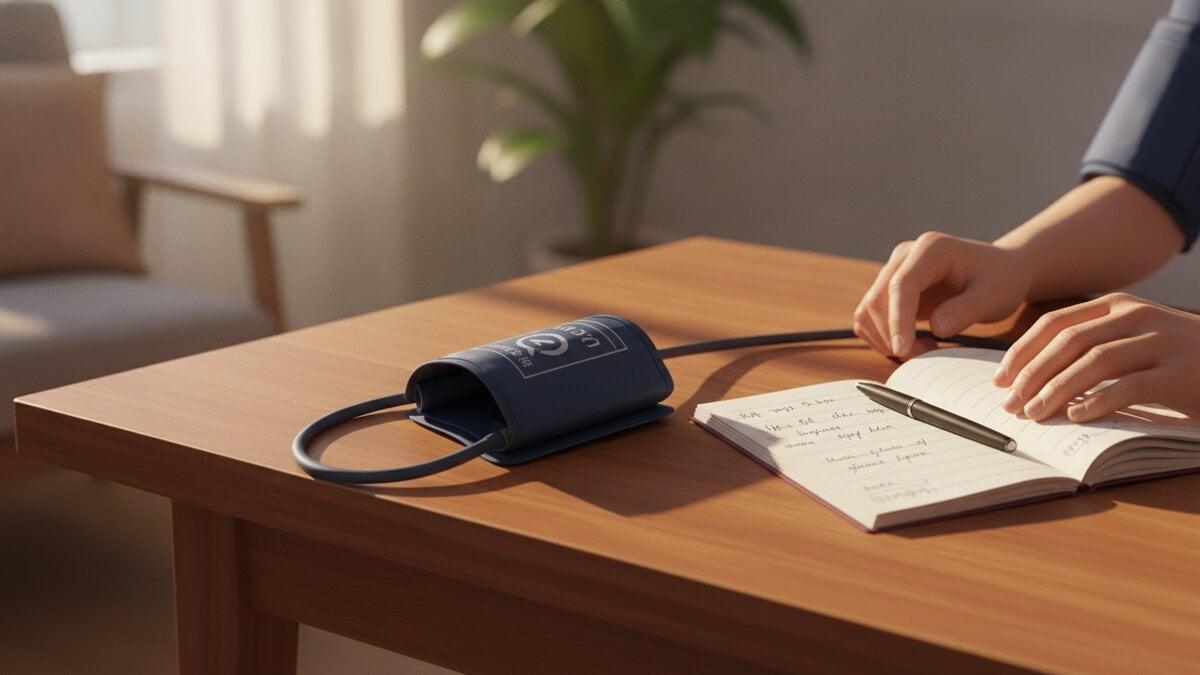
Even if your numbers fall below the crisis threshold, tracking readings at the same time each day gives your doctor reliable data to tailor next steps. Keeping a simple weekly log turns an abstract chart into a practical baseline you can review at your next annual checkup.
 Take the quizWhat Kind of Holiday Spender Are You? Take the Black Friday QuizStart →





 Lifestyle · Food & HealthWhat Is Raynaud’s Syndrome? Why Fingers Turn White in the Cold
 Lifestyle · Food & Health4 Ways Walking After Meals Helps Your Body, Doctors Say
 Lifestyle · Food & Health4 Reasons to Eat Oatmeal, According to Nutrition Experts
 Lifestyle7 Signs Your Social Battery Is Running Low (and Why You Keep Cancelling Plans)