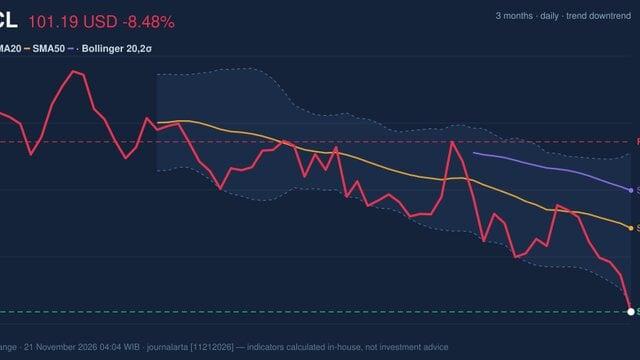
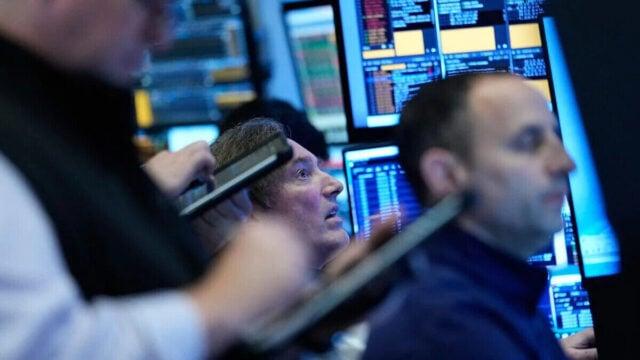
Nasdaq Loses $8.7 Trillion in Value From Its Peak
US technology stocks fell again as investors questioned spending on artificial intelligence. The Nasdaq Composite erased its gains for the year, while the S&P 500 and Dow closed in correction. Nvidia fell 14% amid a reported regulatory investigation into its accounting practices.
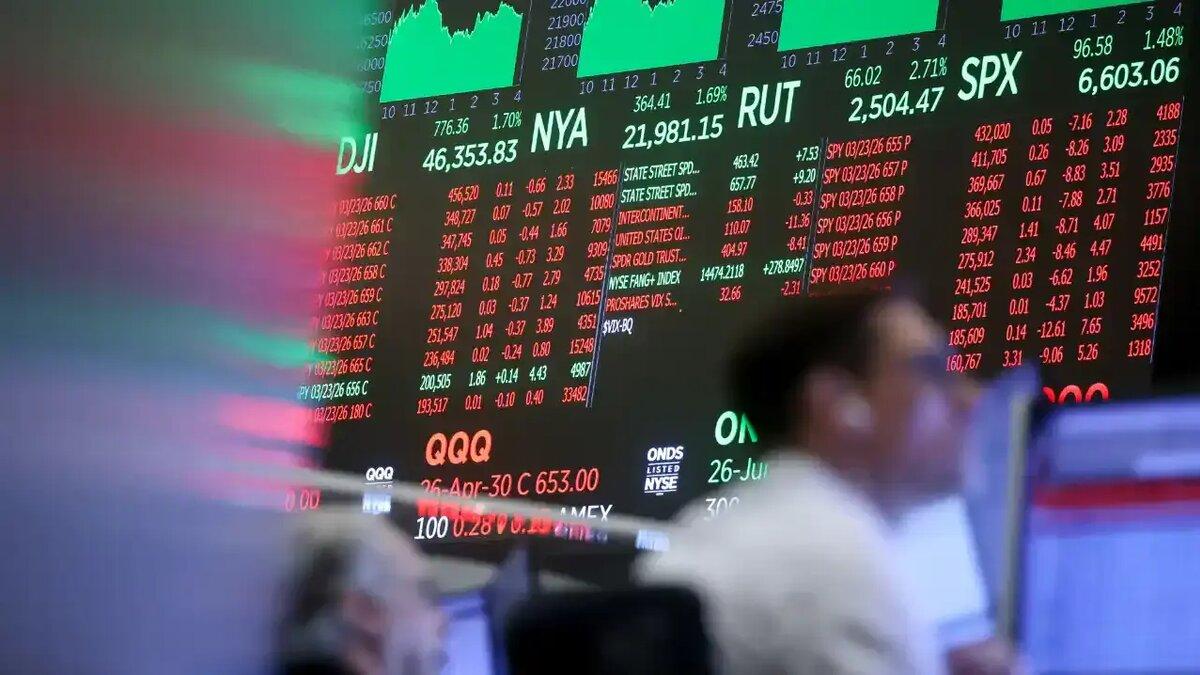
The Nasdaq Composite has lost roughly $8.7 trillion in market value since its October 6 high as US markets fell amid an artificial intelligence sell-off. The index dropped 5.28% in the latest session, wiping out its gains for the year.
The S&P 500 fell 3.7% for its seventh consecutive daily loss, its longest losing streak since February 2020. The Dow dropped 950 points, or 1.93%.
Both the S&P 500 and the Dow closed in correction, meaning they were more than 10% below their respective peaks. The Nasdaq had already entered a correction and stood 18% below its October 6 record.
AI stocks take the biggest hit
Nvidia shares fell 14% as US regulators investigated the chipmaker's accounting practices. The stock lost 22.9% for the week, its worst weekly performance since October 2008.
Nvidia has fallen 47.5% from its October 6 peak, losing $2.7 trillion in market value. Its latest daily decline was its worst in almost two years.
Other AI-linked companies also fell. Anthropic shares dropped 9.1%, while Nvidia-backed CoreWeave lost 12%. CoreWeave traded at $39.51, below its $40 initial public offering price in March 2025.
A gauge of chipmakers fell 11%. The Nasdaq 100, a separate index from the Nasdaq Composite, lost 5.6% and posted its worst week since March 2020.
Steve Sosnick, chief strategist at Interactive Brokers, linked the sell-off to changing views about technology spending. He pointed in particular to “the pace and cost of the artificial-intelligence buildout.”
Companies have spent hundreds of billions of dollars on AI, using their own cash and raising money through debt and shares. Investors are now seeking more evidence that the spending will pay off.
Investors move toward bonds
US Treasury bonds rose as investors sought safer assets. The VIX, a measure of expected stock market volatility, climbed 86% for the week and closed at 35.89, its highest level in 19 months.
Investors also turned to haven currencies as the selling spread to metals, Bitcoin and emerging markets. Traders stopped fully pricing in a quarter-point Federal Reserve rate increase in December.
The Dow fell 8% for the week, its worst weekly showing since March 2020. The Nasdaq and S&P 500 recorded their worst week since early April 2025.
The Nasdaq Composite had been up as much as 18.7% for the year. It is now down more than 2% for the year.
 Take the quizWhat Kind of Holiday Spender Are You? Take the Black Friday QuizStart →
- 1Stock Market Today: Dow Slides 1.34% and VIX Jumps 15% at Midday

- 2Joachim Klement to Sell Stocks After S&P 500 Signal

- 3Stock Market Today: Nasdaq, S&P 500 Futures Slide as AI Selloff Deepens
- 4Kenneth Walker’s Groin Injury Puts Cardinals Game in Doubt

- 5Pat Cummins Faces Captaincy Doubts From Mitchell Johnson

 Lifestyle · Food & HealthNormal Blood Pressure Chart by Age: Healthy Ranges Explained
 Lifestyle · Food & HealthWhat Is Raynaud’s Syndrome? Why Fingers Turn White in the Cold
 Lifestyle · Food & Health4 Ways Walking After Meals Helps Your Body, Doctors Say
 Lifestyle · Food & Health4 Reasons to Eat Oatmeal, According to Nutrition Experts