Asteroid 1998 KY26 Could Be Lost Soviet Probe, Harvard Team Says
A Harvard astrophysicist and two colleagues say the 11-metre object 1998 KY26 may be Phobos 1, a Soviet probe lost in 1988. NASA's chief says there is no threat, other studies point to a natural asteroid, and Japan's Hayabusa2 arrives in July 2031.
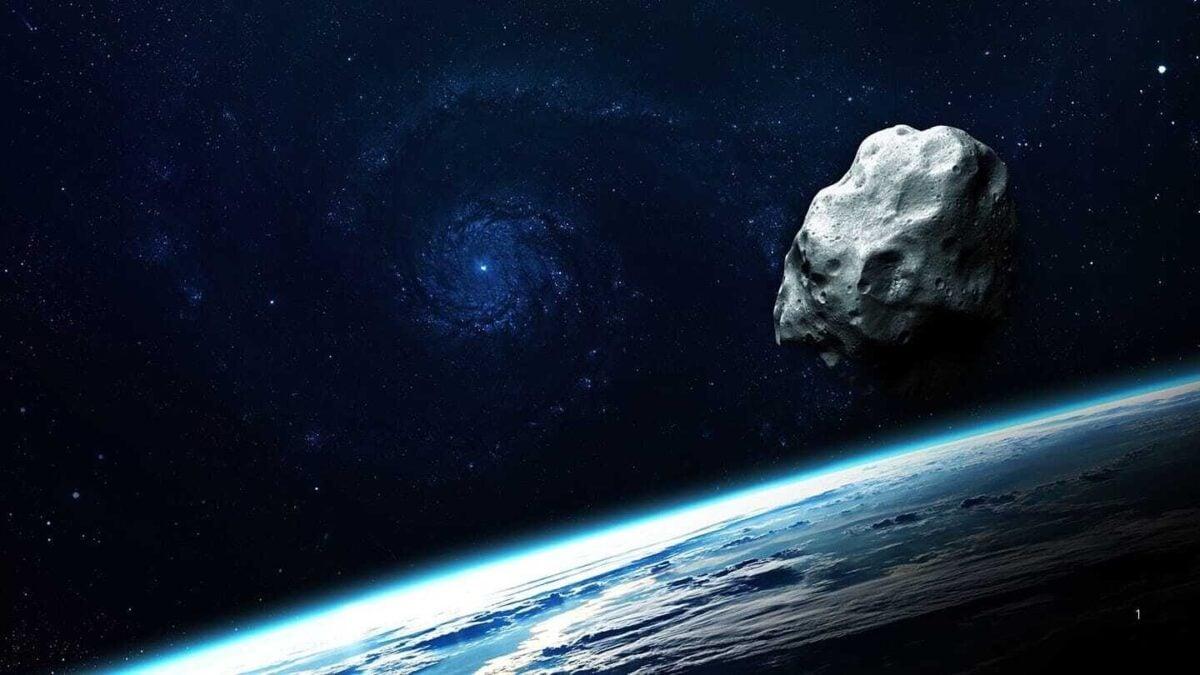
Harvard astrophysicist Avi Loeb and two colleagues have proposed that 1998 KY26, an 11-metre-wide object passing near Earth, could be a mysterious space object lost for nearly 40 years: the Soviet spacecraft Phobos 1. Other researchers say it is most likely a natural asteroid.
The claim is unproven.
Scientists have noticed that the object's path cannot be fully explained by the gravitational pull of the Sun or Earth. That behavior is called "non-gravitational acceleration", meaning forces other than gravity are acting on its path and speed.
Why researchers suspect Phobos 1
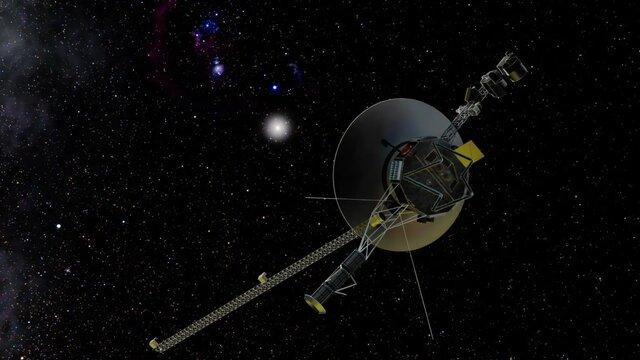
Loeb, Adam Hibberd and Adam Crowl argue that KY26 could be Phobos 1, an unmanned Soviet spacecraft launched on July 7, 1988. The probe lost contact with Earth while on its way to Mars.
The team built a simplified model of Phobos 1 and compared how it would reflect sunlight as it rotated with observations of KY26. They found the model closely matched eight separate sets of observations.
KY26 reflects almost 52% of the sunlight that hits it and completes one full rotation every 5.35 minutes. Loeb and his colleagues say those traits are consistent with an artificial object.
Natural explanations
One idea, first proposed in a 2023 study, is that KY26 is a "dark comet". Trapped water would turn into gas and create thrust. But astronomers have not detected the gas cloud or tail normally linked to comets.
A separate study concluded that 1998 KY26 is most likely a dehydrated asteroid. It said temperatures are too high for enough water ice to survive over a long period, so ice is unlikely to explain the acceleration.
Solar radiation could also be at work. It can press on the object's surface and slightly alter its trajectory.
A study published in the journal Nature Communications in 2025 estimated the object's diameter at just 11 metres. Other observations also point to a rocky asteroid rather than an old spacecraft.
NASA says no threat
NASA chief Jared Isaacman said on Thursday that the agency is monitoring KY26. He stressed there is no reason for concern. The object poses no known threat to Earth, he said, and there is no evidence it could collide with the planet.
What happens next
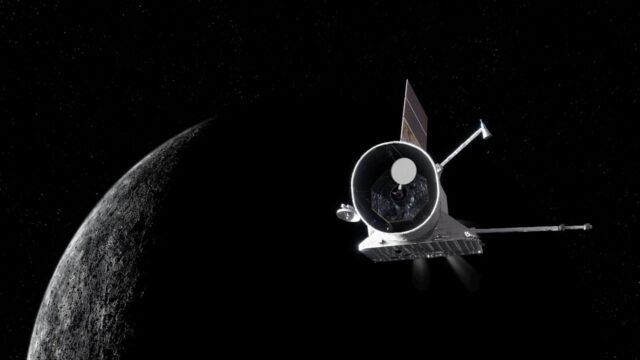
Japan's Hayabusa2 spacecraft is due to reach 1998 KY26 in July 2031 and study it at close range. It would be the first mission to directly investigate an asteroid of this tiny size.
Images and measurements from the encounter could show whether the object is a natural rocky body or something artificial. Loeb has joked that Hayabusa2's cameras might find a label reading "Made in the U.S.S.R." rather than a block of ice.
 Take the quizWhat Kind of Holiday Spender Are You? Take the Black Friday QuizStart →





 Markets · FintechHow to Calculate Compound Interest: Formula, Examples and the Rule of 72
 Lifestyle · Food & HealthNormal Blood Pressure Chart by Age: Healthy Ranges Explained
 Lifestyle · Food & HealthWhat Is Raynaud’s Syndrome? Why Fingers Turn White in the Cold
 Lifestyle · Food & Health4 Ways Walking After Meals Helps Your Body, Doctors Say