RBA Card Surcharging Ban: B2B Payment Costs in Australia
With the RBA's card surcharging ban taking effect on 1 October 2026, Australian B2B merchants must absorb card acceptance fees, leverage lower interchange caps, or shift invoices to PayTo.
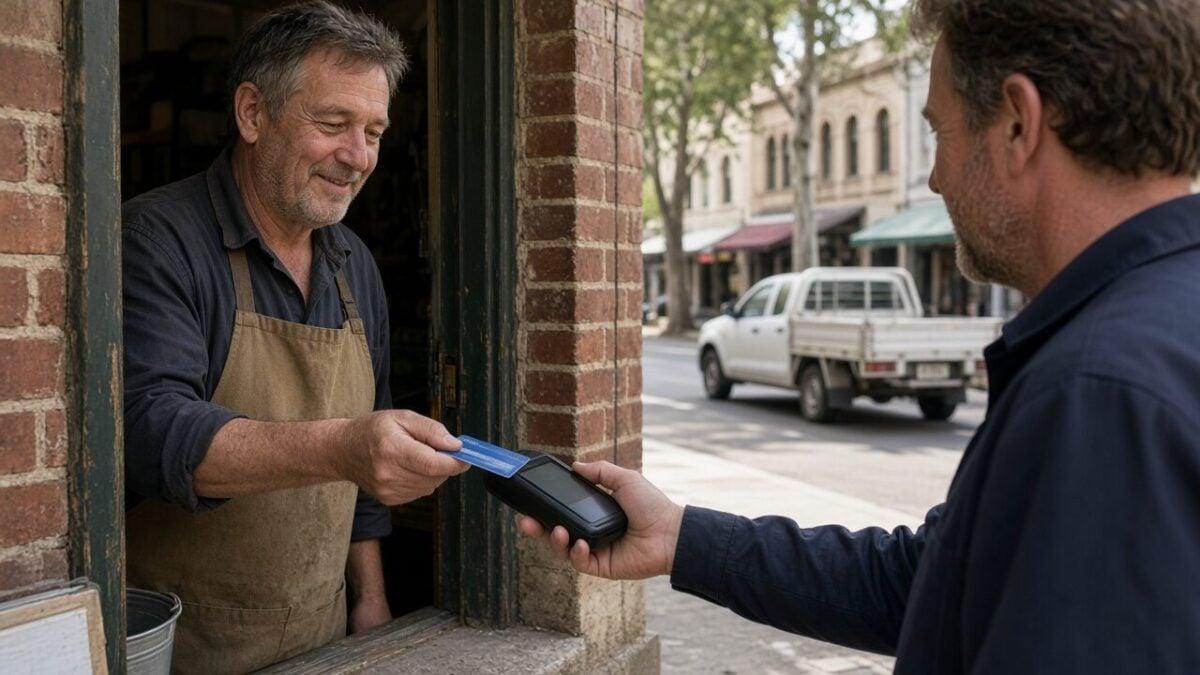
The RBA card surcharging review concluded with a sweeping prohibition on merchant card surcharges across eftpos, Mastercard, Visa, and American Express effective 1 October 2026, forcing Australian businesses to absorb card acceptance fees into baseline pricing. While lower Reserve Bank of Australia interchange fee caps cushion part of the margin impact, B2B finance teams using Stripe Australia or traditional merchant acquirers must reconfigure invoice routing toward account-to-account rails.
- Surcharging Ban Active: From 1 October 2026, Australian merchants can no longer add a card-specific surcharge at checkout or on B2B invoices.
- Interchange Relief: The RBA reduced domestic interchange fee caps, particularly on consumer credit cards, to lower wholesale acquiring costs.
- ACCC Enforcement: Businesses cannot bypass the ban by renaming card surcharges as service fees or processing fees triggered solely by card payment.
- Gateway Adjustments: Stripe Australia disabled built-in surcharging tools on 1 October 2026, while integrated platforms like Xero adjusted domestic card rates (such as 1.75% + A$0.30 including GST).
RBA Payment Reforms and ACCC Compliance Boundaries
Following its multi-year Review of Merchant Card Payment Costs and Surcharging, the RBA Payments System Board lifted the long-standing prohibition on scheme no-surcharge rules. Because cash usage has declined sharply and flat-rate surcharging created widespread consumer friction, Australian regulators eliminated card surcharging altogether while tightening wholesale interchange caps.
The ACCC card surcharges guidance reinforces that merchants cannot circumvent the ban by relabelling card fees as administration or convenience charges when paid by card. Businesses retain commercial freedom to adjust advertised list prices to reflect average operating overhead, provided all payment methods face the same headline price. General non-payment surcharges, such as hospitality weekend or public holiday surcharges, remain lawful when disclosed transparently.
For B2B wholesalers, SaaS vendors, and professional services firms that previously passed a 1.5% to 2.2% card fee onto corporate buyers paying A$10,000+ invoices by credit card, this regulatory shift creates immediate margin compression unless invoice workflows adapt.
B2B Acquiring Cost Structure and Gateway Impact
Finance leaders evaluating embedded finance platforms in Australia must now model blended payment costs across domestic debit, commercial credit, international cards, and real-time bank transfers. The table below summarises the post-October 2026 cost and compliance structure across major Australian payment rails.
| Payment Rail / Provider | Pricing & Cost Structure (AUD) | Surcharging Status (Post-Oct 2026) | B2B Margin Impact |
|---|---|---|---|
| Stripe Australia (Domestic Cards) | Standard blended rate (platform tiers e.g. 1.75% + A$0.30 incl. GST via Xero) | Built-in surcharge tool disabled 1 Oct 2026 | Low-to-moderate for small tickets; high on large B2B invoices |
| Adyen / Interchange++ Acquirers | Interchange + scheme fee + acquirer markup (captures lower RBA caps directly) | Prohibited on eftpos, Visa, Mastercard, Amex | Lower domestic debit/credit cost via Least-Cost Routing |
| International & Corporate Cards | Higher cross-border and commercial interchange tiers (not capped like domestic consumer) | Prohibited to surcharge separately at checkout | Significant margin drag on high-value B2B cross-border invoices |
| PayTo / NPP Account-to-Account | Fixed per-transaction fee (cents rather than percentage of invoice value) | Not applicable (direct bank-to-bank pull) | Protects margin on invoices above A$1,000 |
According to Stripe Australia operational updates, automatic surcharging configuration was sunsetted for both online checkouts and Stripe Terminal hardware on 1 October 2026. Merchants on flat blended pricing should audit whether their acquirer passes through the RBA's reduced interchange caps or retains the spread; high-volume B2B firms typically save 20 to 50 basis points by shifting to Interchange++ pricing with Least-Cost Routing (LCR) enabled for dual-network debit cards.
Shifting High-Value B2B Invoices to PayTo and Treasury Automation
Absorbing a 1.75% card fee on a A$50,000 B2B invoice costs A$875 per transaction, making real-time bank rails essential for margin preservation. Integrating PayTo and corporate treasury automation in Australia enables finance teams to collect authorised account-to-account payments in seconds with automated Xero or ERP reconciliation.
Unlike legacy direct entry (BECS) files that take one to two business days to settle and lack real-time funds verification, PayTo validates account ownership and available balance before initiating settlement. Setting default invoice payment links to PayTo or BPAY for amounts above A$1,000 while reserving cards for smaller self-serve subscriptions cuts blended payment acceptance expenses without degrading buyer experience.
Accounts receivable teams should also inspect commercial and corporate card acceptance separately. Because corporate purchasing cards and foreign-issued cards carry substantially higher wholesale interchange and scheme assessments than domestic consumer debit cards, allowing unrestricted card checkout on six-figure B2B renewals can erase 2% to 3% of gross margin overnight. Disabling card links above defined invoice thresholds and offering instant PayTo mandates preserves working capital velocity without violating ACCC pricing rules.
Strategic Playbook for Australian CFOs and Payment Teams
Audit your last 12 months of card volume immediately to separate domestic consumer debit, domestic credit, and commercial/corporate card share. If your business processes over A$500,000 annually in card volume, move off flat blended rates onto an Interchange++ acquirer such as Adyen or a negotiated enterprise Stripe tier with Least-Cost Routing active so the RBA's lower interchange caps flow directly to your bottom line.
For B2B invoices exceeding A$1,000, remove credit card buttons from default email templates or offer PayTo as the primary one-click settlement option. Where card acceptance remains commercially necessary for buyer procurement policies, build average processing overhead transparently into annual contract renewals rather than attempting non-compliant checkout fee labels.
 Take the quizWhat Kind of Holiday Spender Are You? Take the Black Friday QuizStart →





 Markets · FintechHow to Calculate Compound Interest: Formula, Examples and the Rule of 72
 Lifestyle · Food & HealthNormal Blood Pressure Chart by Age: Healthy Ranges Explained
 Lifestyle · Food & HealthWhat Is Raynaud’s Syndrome? Why Fingers Turn White in the Cold
 Lifestyle · Food & Health4 Ways Walking After Meals Helps Your Body, Doctors Say