Australia East Coast Gas Supply: ACCC & AEMO Risk Analysis
While ACCC Gas Inquiry reports show near-term east coast gas surpluses through early 2027, AEMO 2026 GSOO forecasts warn of structural southern supply gaps from 2029-2030.
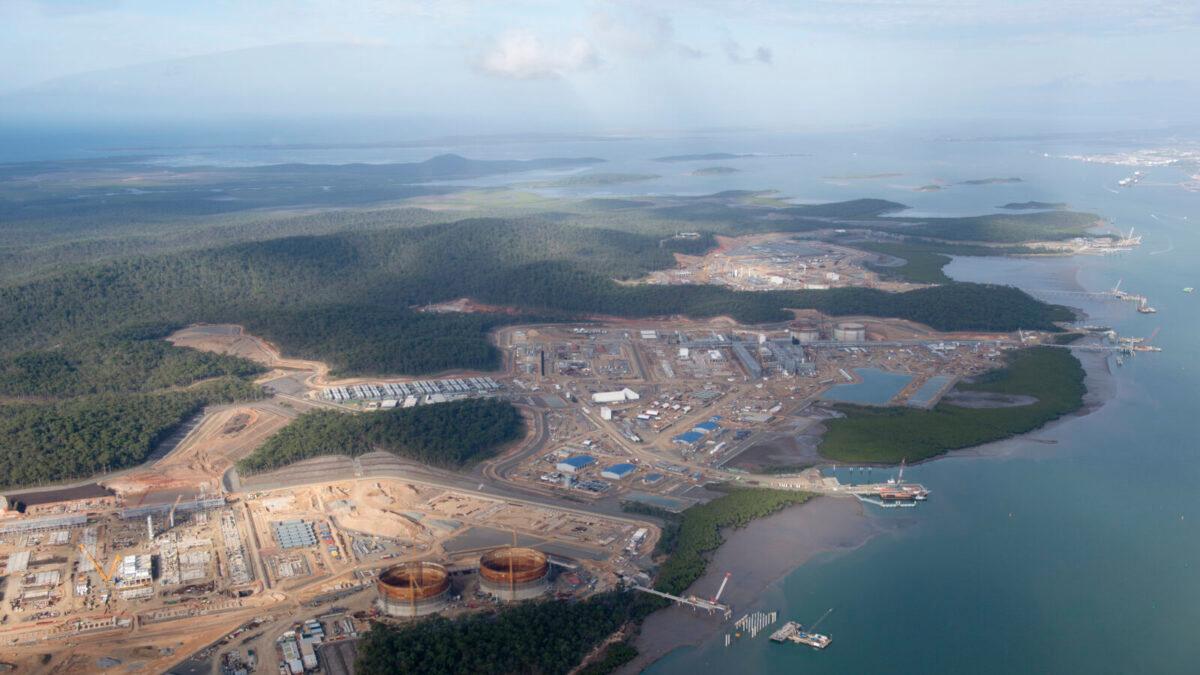
Australia east coast gas supply enters 2027 with near-term seasonal buffers confirmed by the ACCC Gas Inquiry, yet industrial buyers in Victoria and New South Wales still face structural southern basin depletion and winter peak-day deficits from 2029. Navigating the federal Gas Market Code alongside AEMO's updated 2026 supply-demand projections requires locking in multi-year wholesale contracts before northern pipeline bottlenecks tighten delivered prices.
- Near-Term Surpluses: ACCC monitoring indicates the east coast gas market remains well-supplied through Q4 2026 and Q1 2027, avoiding 2022-style price volatility.
- AEMO 2026 GSOO Shift: Extreme peak-day shortfall risks moved out roughly one year to 2029, with structural southern supply gaps projected from 2030.
- Winter Vulnerability: Southern states remain dependent on uncontracted Queensland LNG volumes and north-to-south pipeline capacity during Q2 and Q3 winter peaks.
- Demand Offsets: Extended coal plant schedules (such as Eraring) and utility-scale batteries in the NEM have reduced immediate gas-powered generation spikes.
ACCC Gas Inquiry Findings and Gas Market Code Mechanics
Data from the ACCC Gas Inquiry shows that domestic wholesale prices across eastern Australia have remained substantially calmer than during the 2022 global energy shock, supported by healthy projected surpluses across late 2026 and early 2027. However, the ACCC continues to warn that legacy offshore fields in Victoria's Gippsland Basin are declining steadily, placing heavier reliance on Queensland coal seam gas.
Under the Gas Market Code administered by the Department of Industry, Science and Resources (DISR), wholesale producers face mandatory conduct rules, transparency obligations, and domestic supply commitments designed to prevent excessive pricing and keep uncontracted gas available to local commercial and industrial users. Operating alongside the Australian Domestic Gas Security Mechanism (ADGSM), the Code provides a regulatory floor for domestic buyers negotiating bilateral GSA terms.
Industrial energy buyers must also weigh gas availability against broader electricity grid pressures. Recent Victoria electricity grid and industrial power constraints show how peak thermal generation requirements and transmission bottlenecks intersect directly with gas transport demand in southern Australia.
AEMO 2026 GSOO Outlook: Southern Shortfalls and Pipeline Constraints
In its 2026 Gas Statement of Opportunities (GSOO), the Australian Energy Market Operator pushed out extreme peak-day shortfall forecasts by roughly 12 months compared with the 2025 outlook, citing slower residential demand, industrial efficiency gains, and new north-to-south pipeline capacity commitments. Even with this reprieve, structural supply gaps in southern states are still projected to emerge from 2030 unless new domestic supply or LNG import terminals reach commissioning.
| Regulatory / Market Indicator | 2026–2027 Status (ACCC / AEMO) | Medium-Term Risk (2029–2030+) | Procurement Impact for Industrial Buyers |
|---|---|---|---|
| East Coast Supply Balance (ACCC) | Projected surplus in Q4 2026 and Q1 2027 | Seasonal Q2/Q3 winter tightness tied to Queensland LNG | Favourable window to tender multi-year contracts before winter |
| Peak-Day Shortfall Horizon (AEMO GSOO) | Adequate under normal conditions | Extreme peak-day risks starting 2029 | High spot price exposure for unhedged southern manufacturers |
| Southern Basin Depletion (AEMO) | Legacy Gippsland output declining | Structural southern supply gap from 2030 | Higher delivered costs due to north-to-south pipeline haulage |
| Gas-Powered Generation (NEM) | Moderated by battery storage and coal extensions | Sharp spikes during low-wind/low-solar winter periods | Requires dual-fuel or demand-response hedging for large users |
For energy-intensive processors evaluating regional decarbonisation, comparing east coast gas economics with western industrial hubs is instructive. Analysis of Pilbara industrial energy and green iron costs highlights how Western Australia's domestic gas reservation policy creates materially different feedstock predictability than the interconnected east coast market.
Pipeline Haulage Economics, LNG Imports, and Industrial Electrification
Delivered gas pricing for Victorian and New South Wales manufacturers reflects far more than wellhead production costs. Transporting Queensland coal seam gas south across major transmission corridors such as the Moomba-to-Sydney Pipeline and the South West Queensland Pipeline adds substantial firm haulage and compression tariffs, particularly when winter peak demand forces shippers onto short-term interruptible capacity. As Bass Strait legacy production declines, southern industrial users bear a growing share of north-to-south freight costs.
Proposed LNG import terminals in Port Kembla and Geelong offer an alternative supply-side backstop by linking southern demand centres directly to seaborne cargoes, yet commercial buyers must weigh terminal regasification tolls and international JKM-linked benchmark exposure against domestic GSA terms. Meanwhile, industrial process heat users are evaluating staged electrification using high-efficiency heat pumps and behind-the-meter solar-plus-battery installations to cap long-term gas volume exposure ahead of 2030.
Treasury and procurement teams should also monitor Safeguard Mechanism compliance thresholds for large emitters, as scope 1 natural gas combustion liabilities increasingly interact with wholesale energy contracting decisions.
Procurement Strategy for Australian Industrial Energy Buyers
Commercial manufacturers, food processors, and chemical plants in Victoria, South Australia, and New South Wales should use the late-2026 surplus window to lock in 2027–2029 fixed-price or capped-volume gas supply agreements under Gas Market Code protections rather than rolling onto Q2/Q3 winter spot exposure. Request transparent pipeline haulage breakdowns in supplier tenders, as transport tariffs from Queensland to southern demand centres increasingly drive delivered GJ costs.
Facilities with consumption above 100 TJ per year should pair commercial gas hedging with energy management systems capable of shifting thermal loads or electrifying low-temperature process heat where grid tariffs allow. Treating the one-year AEMO GSOO reprieve as an opportunity to secure firm winter capacity rather than delaying procurement is the clearest safeguard against 2029 peak-day volatility.
 Take the quizWhat Kind of Holiday Spender Are You? Take the Black Friday QuizStart →





 Markets · FintechHow to Calculate Compound Interest: Formula, Examples and the Rule of 72
 Lifestyle · Food & HealthNormal Blood Pressure Chart by Age: Healthy Ranges Explained
 Lifestyle · Food & HealthWhat Is Raynaud’s Syndrome? Why Fingers Turn White in the Cold
 Lifestyle · Food & Health4 Ways Walking After Meals Helps Your Body, Doctors Say