Wall Street Strategists See Hope After S&P 500 Falls 8.6% in a Week
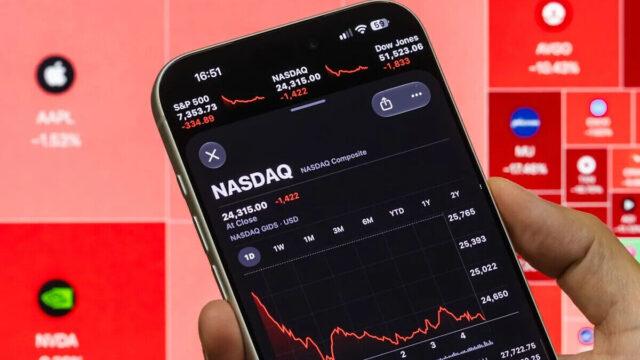
The S&P 500 fell more than 3% on Friday into correction territory and lost 8.6% for the week, its worst since April 2025. Strategists at Macro Risk Advisors, Yardeni Research and Goldman Sachs say recovery signs are emerging, though more pain may come first.
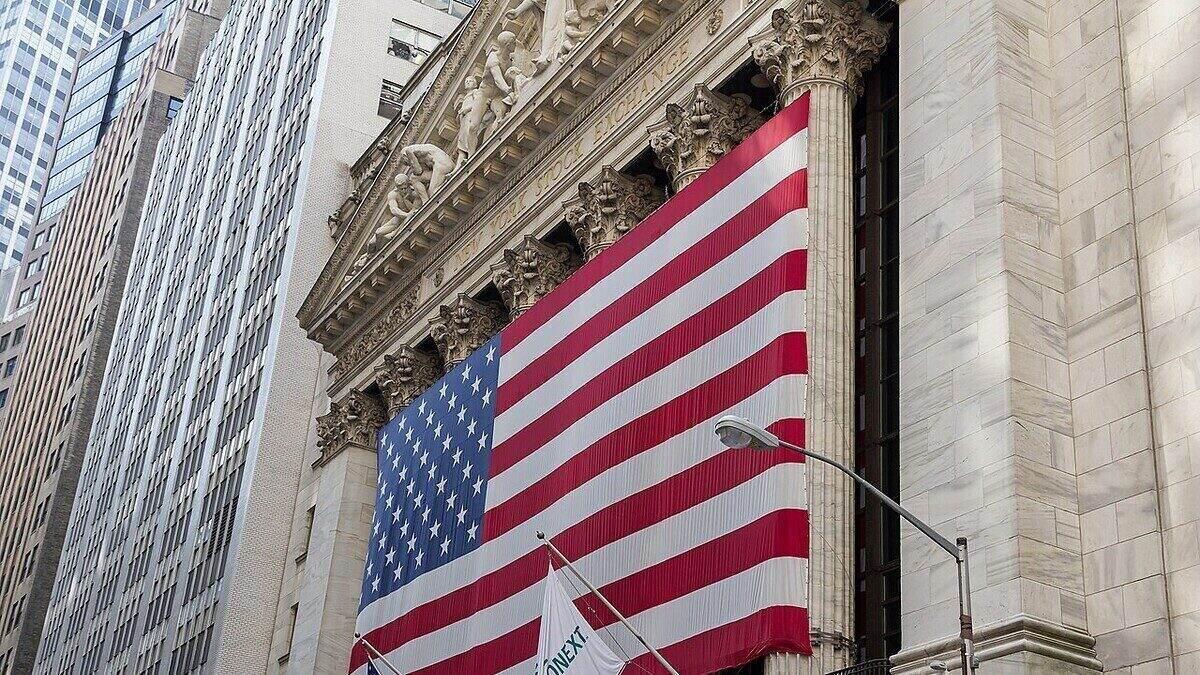
The S&P 500 fell more than 3% on Friday into correction territory and ended the week down 8.6%, its biggest weekly percentage drop since April 2025. Wall Street strategists see signs of a eventual recovery, though some warn of more losses first. The index is now up less than 1% for the year, according to Dow Jones Market Data.
Retail investors spent the weekend online debating whether a repeat of Black Monday, the 1987 crash, was coming. U.S. markets open Monday.
Capitulation, but a rough path
John Kolovos, chief technical market strategist for Macro Risk Advisors, sees a possible silver lining. "The evidence of capitulation is becoming overwhelming, and history strongly favors a higher market six months from now," he wrote in a Sunday note.
He added: "But the path will be ugly, with another 5% decline possible." Kolovos said a more durable low is more likely in the first quarter, potentially in January.
The Cboe Volatility Index, Wall Street's "fear gauge," hit 40 on Friday amid signs of indiscriminate selling. "Fear is everywhere, and that's arguably the market's best attribute," Kolovos wrote.
Earnings still strong, analysts say
Ed Yardeni, president and chief investment strategist at Yardeni Research, cut his year-end S&P 500 target to 7,500. It is the second cut since September. That level would be up 9.6% for the year from 6,845.50 at the end of last year. The index closed Friday at 6,910.
Yardeni said the index is down 11.6% since its Oct. 6 record high, falling especially since the November elections produced a Democrat-led majority in both chambers of Congress. "We expected a pullback. It has turned into a correction," he said. "We don't think it will lead to a bear market, simply because we don't see an impending recession."
Last week's AI selloff was global, Yardeni Research noted, with investors fleeing to government bonds. Stocks fell 23.2% in U.S. dollar terms in Taiwan and 13.7% in South Korea. Yet "US and overseas forward earnings both remain at record highs," Yardeni said.
Goldman Sachs names three triggers
Ben Snider, chief U.S. equity strategist at Goldman Sachs, said the S&P 500's forward price-to-earnings multiple has dropped 25% this year to 16 times. That is below the 30-year average.
Snider listed three conditions that would support a bottom: news that lifts confidence in earnings from AI investment, a dovish signal from the Federal Reserve, or a major decline in investor positioning.
Goldman tracked 22 S&P 500 corrections since 1980. The index returned an average of 4% over the following three months, rising in 17 of them, or 73%.
Jawad Mian, founder of Stray Reflections, said last week resembled the week before Black Monday but was actually worse. On Thursday the index closed at 7,176, two points off its low, and more than nine in ten S&P stocks fell. "This weekend, we have to make a decision without that knowledge," he wrote.
 Take the quizWhat Kind of Holiday Spender Are You? Take the Black Friday QuizStart →




 Markets · FintechHow to Calculate Compound Interest: Formula, Examples and the Rule of 72
 Lifestyle · Food & HealthNormal Blood Pressure Chart by Age: Healthy Ranges Explained
 Lifestyle · Food & HealthWhat Is Raynaud’s Syndrome? Why Fingers Turn White in the Cold
 Lifestyle · Food & Health4 Ways Walking After Meals Helps Your Body, Doctors Say