Amazon’s Ring Unveils $250 Indoor Security Drone and $1,000 Patrol Robot
Amazon's Ring unveiled a $250 indoor security drone and a $1,000 patrol robot for businesses on November 10, 2026. The Rover Cam ships December 16 and the Drone Cam January 27, 2027, pending FCC approval. Ring says privacy is the default setting on both.
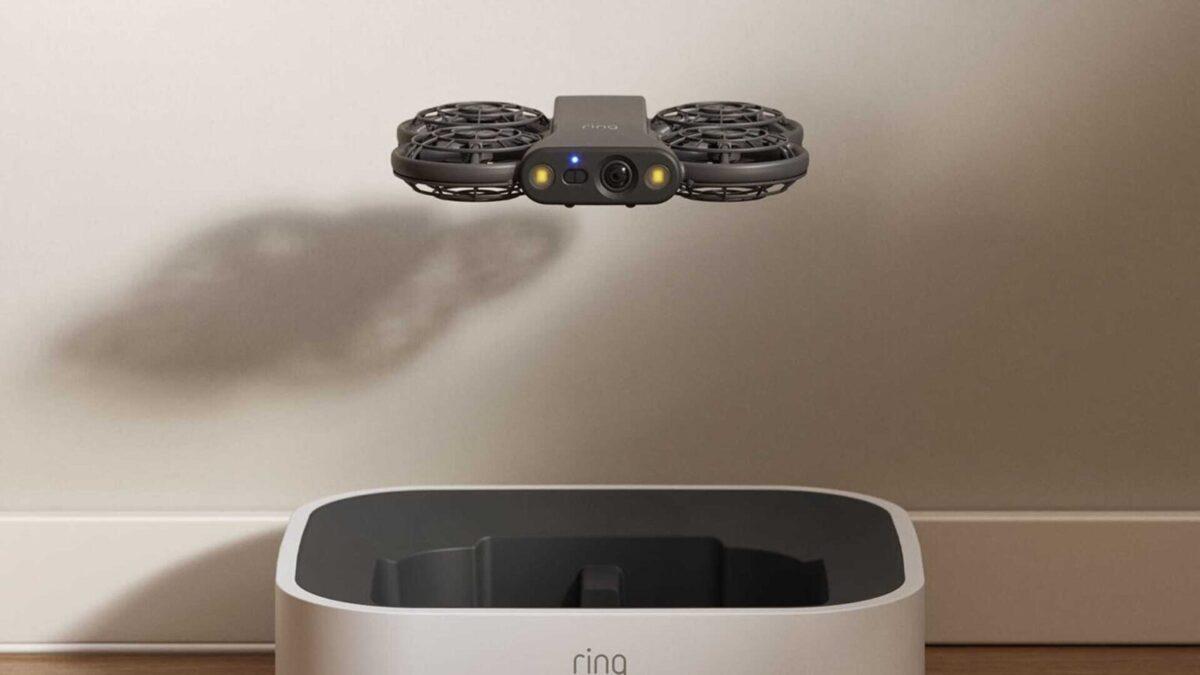
Amazon's Ring unveiled the Ring Drone Cam, a $250 indoor security drone, and a $1,000 patrol robot for businesses on Tuesday, November 10, 2026.
The Amazon Ring drone camera flies from room to room, including upstairs, and records day or night. When an alarm or a sensor on a window, door or other Ring device trips, the textbook-sized drone follows a preset path to check. Users can also send it out on demand.
Both products sit under a new Ring Robotics brand.
The Ring Rover Cam, priced at $1,000, ships first, on December 16. The Drone Cam follows on January 27, 2027, in the US, pending approval from the Federal Communications Commission.
How the drone works
The Drone Cam weighs 165 grams and flies five to eight minutes per charge before returning to its dock on its own. Ring says each minute of flight needs about eight minutes of charging. It records at 2K resolution with a 148-degree field of view.
Most of its intelligence runs in the cloud. Video goes to Ring's servers, where an AI agent Ring calls AI Pilot steers the drone. It uses the Alexa Home Map from a user's existing Echo devices to navigate, needs Wi-Fi, and will not leave the home.
Ring CEO Jamie Siminoff pitched the loud buzz and built-in spotlights as a crime deterrent. "If someone is going around your house at night, and your motion detector goes off on your Ring doorbell, imagine if you see spotlights and something flying across the window," he said. "You're probably not going to go into that house."
The drone cannot fly outdoors, Siminoff said, citing Federal Aviation Administration rules on line of sight. "We have told our customers not to do that because it's illegal," he said. Ring has also added software limits to keep it inside.
The business robot
The Rover Cam repurposes Amazon's Astro home robot for offices, warehouses and other workplaces. It is a display on a two-wheeled base with an extendable periscope camera, a built-in siren, two-way audio and a "light tower" that shines on the ceiling so users can see where it is.
Astro had a short run as a business device and has seen few upgrades since its 2021 debut.
Privacy questions
Ring says privacy is the default on both devices, and an LED flashes while they record. The Drone Cam's camera is covered when docked. Footage is encrypted under a system Ring calls TAKE, short for Throw Away the Key Encryption, which rotates keys every five minutes.
Ring briefly holds a key to run cloud AI features, so the system is not true end-to-end encryption. Ring has faced privacy criticism over its police partnerships. This year it canceled an integration with police tech provider Flock Safety after backlash over that company's automated license plate readers.
Ring first previewed the drone in 2020 as the Always Home Cam. Siminoff said he held it back until Amazon could perfect the design, sensors and data processing.
"People like indoor cameras, but they don't necessarily want them everywhere around their home," he said.