Dream Chaser Spaceplane Hauling 12,100 Pounds Cleared by FAA
The Federal Aviation Administration has licensed Sierra Space's Dream Chaser to land at Vandenberg Space Force Base in California. The five-year license allows up to four reentries a year, but it sets no launch date because the first flight still depends on a Vulcan Centaur rocket.
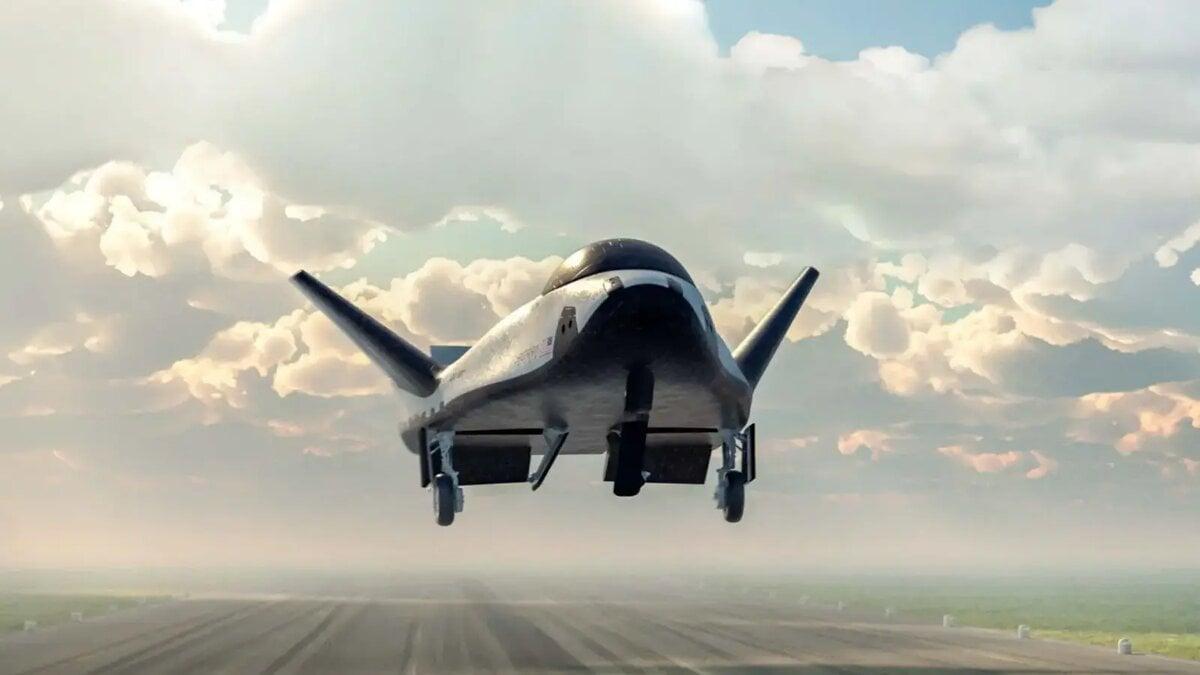
The Federal Aviation Administration (FAA) has licensed Sierra Space's Dream Chaser spaceplane, hauling about 12,100 pounds of cargo to orbit, to return and land at Vandenberg Space Force Base in California. The agency issued the vehicle operator license on November 9, and Sierra Space confirmed it the next day.
The license runs five years. It permits up to four reentries a year, provided the vehicle configuration and mission profile stay the same.
What the license does not settle
The approval sets no launch date. Dream Chaser's first mission will lift off from Florida aboard United Launch Alliance's Vulcan Centaur rocket, so timing depends on when a Vulcan is available.
Sierra Space had targeted late 2026 for the debut. With the year nearing its end, the launch window remains uncertain.
A change of landing site
Vandenberg is now the designated landing location. That differs from Sierra Space's original plan. During a 2024 environmental review, the company named the former Space Shuttle runway at Kennedy Space Center as its preferred site.
Vandenberg first appeared as a backup. The new license names it as the destination, which gives the company an approved runway for its first flight.
How the spacecraft works
The first vehicle, Tenacity, uses a lifting-body design with folding wings so it fits inside the Vulcan payload fairing. In orbit it can carry roughly 12,100 pounds of cargo. It can return up to 4,080 pounds, according to the FAA's environmental assessment.
Capsules usually come down under parachutes, often into the ocean. Dream Chaser lands on a runway instead. Sierra Space says returning cargo experiences less than 1.5 times Earth's gravity. The company also says the craft can use runways built for Boeing 737 aircraft.
Years of delay
Dream Chaser entered NASA's commercial resupply program in 2016, when Sierra Space won a contract to develop it for International Space Station cargo runs. Repeated delays and propulsion problems pushed its debut back.
NASA and Sierra Space revised their agreement in September 2025. The first demonstration no longer requires docking with the station. Tenacity will fly on its own in orbit instead.
NASA can still buy future resupply missions if the demonstration succeeds. Sierra Space has also lined up national security and commercial customers for the first flight, and confirmed in September that they would carry payloads alongside NASA cargo. The company has not disclosed who they are or what equipment they will fly.
Tenacity still needs a launch vehicle and remaining mission preparations before it can fly.