Stair Climbing for One Minute May Lower Blood Sugar Spikes
A small study found that healthy adults had lower blood sugar peaks after one minute of stair climbing following a sugary drink. Researchers cautioned that the experiment measured only short-term effects and did not establish whether the routine offers lasting health benefits.
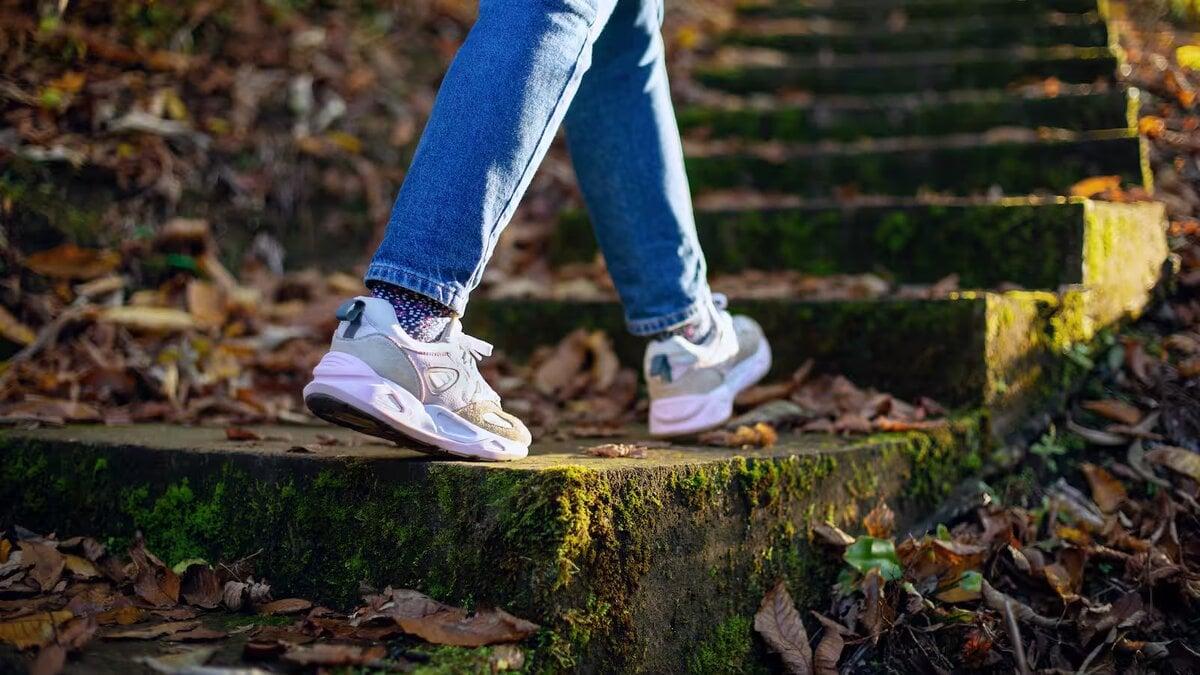
One minute of stair climbing reduced blood sugar peaks by about 40 percent in a study of 30 healthy adults who drank sugar water. The finding suggests a brief bout of movement can affect blood sugar, though researchers did not measure long-term health effects.
The study was small and short-term. None of the participants had diabetes, and they drank sugar water rather than eating a meal.
Researchers published the experiment in the journal Experimental Physiology. They compared participants’ blood sugar responses after sitting quietly with their responses after climbing stairs.
Each volunteer visited the lab twice in the evening. On one visit, participants drank a large glass of sugar water and sat while scientists repeatedly checked their blood sugar.
On another day, they climbed up and down stairs for one minute, about an hour after drinking the sugar water. They chose their own pace.
Blood sugar peaks after stair climbing were about 40 percent lower than after sitting, compared with participants’ baseline levels. The difference became smaller over time but lasted for at least 80 minutes after the drink.
Senior author Jochen Kressler, a professor of exercise physiology at San Diego State University, said the size of the effect surprised him. “Quite frankly, it seems like it should not work, at least not with this large of an effect,” he said.
The research followed earlier experiments in which 10 minutes of brisk walking or stair climbing generally reduced blood sugar surges after meals or snacks. An earlier experiment from Kressler’s lab found that three minutes of stair climbing reduced spikes after people drank sugar water.
Kressler’s students had also tested one another’s blood sugar after a minute of stair climbing while learning testing procedures. Those practice tests repeatedly showed lower spikes, prompting the researchers to conduct a formal study.
High or lingering blood sugar spikes can cause energy crashes. Over time, elevated blood sugar can damage blood vessels and organs and contribute to insulin resistance, a hallmark of Type 2 diabetes.
Jonathan Little, a professor of metabolism, health and exercise sciences at the University of British Columbia at Okanagan, called the effects “intriguing.” Little, who was not involved in the study, said the effect from one minute of easy stair stepping was surprising.
A meal would affect blood sugar differently from the sugar water used in the experiment. The study also tested only a single session, not a regular routine.
“We don’t know the long-term implications,” Kressler said. “I would never say do one minute of stair-stepping instead of regular exercise.”
 Take the quizWhat Kind of Holiday Spender Are You? Take the Black Friday QuizStart →





 Lifestyle · Food & HealthNormal Blood Pressure Chart by Age: Healthy Ranges Explained
 Lifestyle · Food & HealthWhat Is Raynaud’s Syndrome? Why Fingers Turn White in the Cold
 Lifestyle · Food & Health4 Ways Walking After Meals Helps Your Body, Doctors Say
 Lifestyle · Food & Health4 Reasons to Eat Oatmeal, According to Nutrition Experts