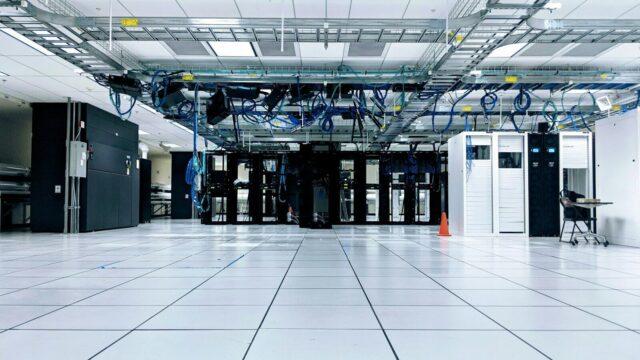
Alberta Sets New Limits as Canada Expands AI Data Centers
Alberta has proposed restrictions on large data centers as Canada seeks more artificial intelligence computing capacity. The bill would set minimum distances from homes and protect farmland, while a major project backed by businessman Kevin O’Leary faces a legal challenge over its environmental review exemption.

Alberta has proposed new limits on large AI data centers as Canada seeks to expand its computing capacity. The bill would keep facilities of 10 megawatts or more at least 600 meters from homes and protect agricultural land.
The measures come as residents raise concerns about electricity prices, water supplies and noise. Alberta has attracted most of Canada’s proposed sites for the facilities, which house computers used to develop and run artificial intelligence.
About 90% of currently proposed Canadian sites are planned for the province. Supporters say its natural gas, available land and cold climate make it attractive for large projects.
US voters passed 40 of 41 local ballot initiatives aimed at limiting or preventing data center development in the midterm elections. Lucy Hargreaves, CEO of the nonprofit policy group Build Canada, said some investment intended for US projects was now more available to Canada.
Alberta Proposes Farmland Protections
Premier Danielle Smith’s government introduced a bill that would protect about 14 million acres of high-quality agricultural land from AI development. It would also prohibit large data centers on irrigated land.
Developers would have to pay for their own power infrastructure rather than pass those costs to Alberta electricity customers, the government said. Centers would also have to reduce their own electricity use first during an emergency.
The bill proposes fines of up to C$6 million for environmental contamination, on top of existing cleanup obligations. Public meetings on provincial data center plans have drawn angry residents.
In August, the Alberta Utilities Commission rejected a power plant needed for a $10 billion data center in Olds. The regulator said the proposed location was too close to communities.
Wonder Valley Faces Legal Challenge
Businessman Kevin O’Leary’s proposed Wonder Valley project in Alberta would cover 7,000 acres and have a capacity of 7.5 gigawatts. It would use its own power system fueled by regional natural gas.
In April, Alberta exempted the project from an environmental impact assessment. The project still needs permits before construction. Sturgeon Lake Cree Nation has sued the government over the exemption, calling the decision “irrational” in court filings.
Some residents are concerned about water for cooling. The site is projected to use six million cubic meters annually, drawn from the nearby Smoky River.
Greenview Municipality Reeve Ryan Ratzlaf said the project was a “perfect fit” for the rural community. He said its economic benefits outweighed potential risks.
Canada’s government has projected that domestic computing capacity needs to expand 16-fold over the next four years to meet demand. National guidance signed by Anthropic, Meta and other AI companies calls for data centers to pay electricity costs and minimize water use.
Bek MacIntosh, an Alberta resident who fought a proposed data center in Olds, said she was not opposed to all AI infrastructure. She warned that Alberta had opened the door to “the most reckless of reckless developers.”
 Take the quizWhat Kind of Holiday Spender Are You? Take the Black Friday QuizStart →





 Lifestyle · Food & HealthNormal Blood Pressure Chart by Age: Healthy Ranges Explained
 Lifestyle · Food & HealthWhat Is Raynaud’s Syndrome? Why Fingers Turn White in the Cold
 Lifestyle · Food & Health4 Ways Walking After Meals Helps Your Body, Doctors Say
 Lifestyle · Food & Health4 Reasons to Eat Oatmeal, According to Nutrition Experts