Finnish Study Backs Blood Test for Advanced Fatty Liver Disease
Researchers recommend a blood test in primary care for patients whose routine laboratory results suggest an elevated risk of progressive fatty liver disease. The test costs just under €100 and could help doctors assess risk sooner, though it is not intended for population screening.
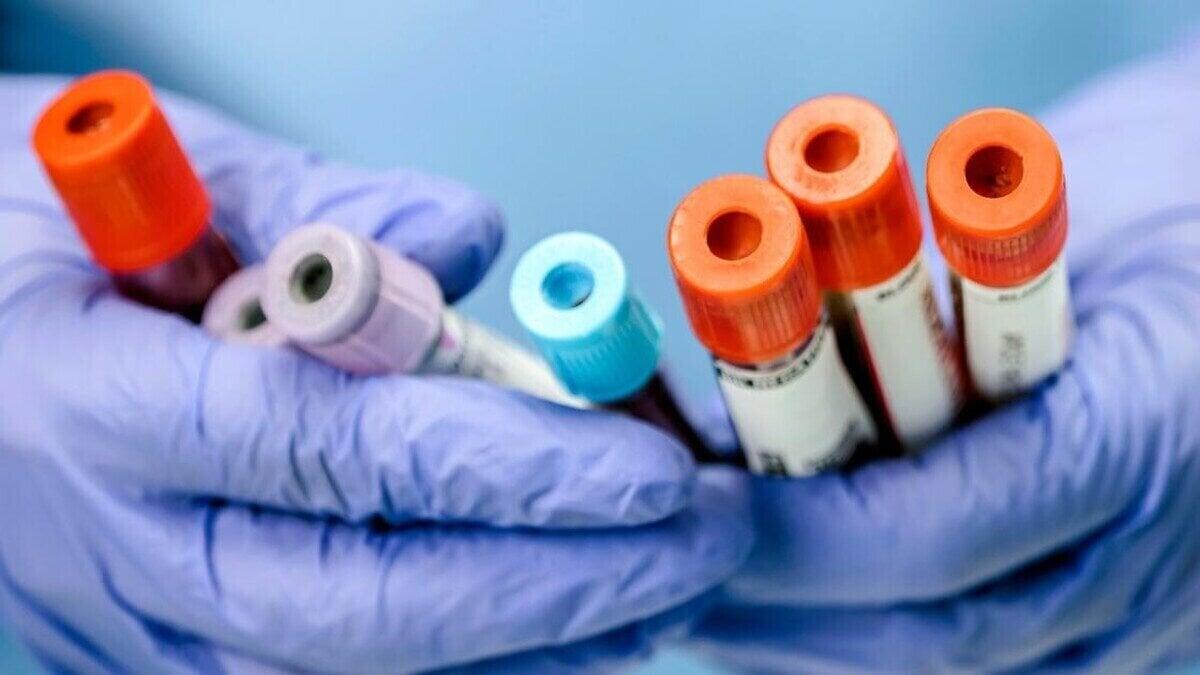
Researchers recommend that primary care providers in Finland use a blood test for selected patients at elevated risk of progressive fatty liver disease, according to a recent study. The test costs just under €100 and can help doctors assess whether patients need treatment.
Patients would first be identified through standard laboratory tests. The additional test is a risk-assessment tool, not a means of screening the entire population.
Docent Sami Qadri of HUS Helsinki University Hospital and the University of Helsinki said testing during a primary care visit could provide a faster risk assessment. That could allow intensive treatment to begin sooner, he said.
“The current model leads to unnecessary referrals to specialised care and long waiting periods,” Qadri said. He added that most patients with the disease are not identified and do not receive effective follow-up care.
As many as one in three Finns has steatotic liver disease, also known as fatty liver disease. Increased abdominal obesity is the main cause, while alcohol use is another significant factor and is particularly harmful when combined with obesity.
The disease can cause no symptoms for a long time. As many as 95% of patients do not know they have it. Without treatment, it can eventually cause permanent liver scarring, known as cirrhosis.
For many patients, the first symptoms appear only when liver function begins to fail. At that stage, a liver transplant is the only cure.
In specialist care, doctors can often determine the disease stage and whether medication is needed by combining a blood test with imaging. That can avoid a liver biopsy, an expensive procedure associated with rare but serious adverse effects.
The test is already available in HUS laboratories. Qadri said he aims to bring the findings into the Current Care Guidelines for steatotic liver disease, which are due to be updated at the end of the year.
The findings came from the LITMUS project, which involved 53 international university and business partners, including the University of Helsinki. The European Innovative Medicines Initiative 2 Joint Undertaking funded the project.
Researchers compared imaging, routine blood tests and expensive specialized tests for detecting advanced disease. They assessed biopsies and biomarkers from roughly 1,500 people centrally.
The team also identified a promising patented test that measures several blood proteins and predicted the risk of liver scarring. It is not yet available in health care and needs further research and a lower price.
 Take the quizWhat Kind of Holiday Spender Are You? Take the Black Friday QuizStart →





 Lifestyle · Food & HealthNormal Blood Pressure Chart by Age: Healthy Ranges Explained
 Lifestyle · Food & HealthWhat Is Raynaud’s Syndrome? Why Fingers Turn White in the Cold
 Lifestyle · Food & Health4 Ways Walking After Meals Helps Your Body, Doctors Say
 Lifestyle · Food & Health4 Reasons to Eat Oatmeal, According to Nutrition Experts