UK Energy Bills Could Jump Over a Quarter in January, Forecasts Say
UK energy bills could rise by more than a quarter in January, about £460 a year for a typical home, according to supplier forecasts. A US-China contest over fossil fuels and clean power is squeezing Britain as COP31 opens in Turkey.
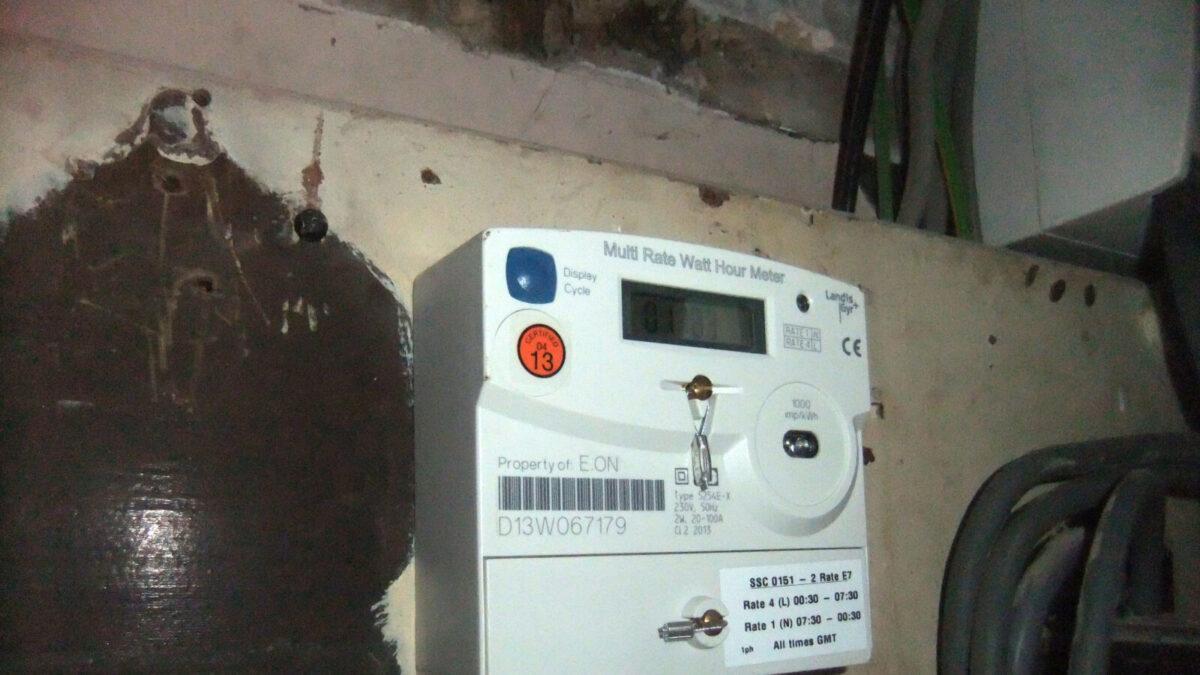
UK household energy bills could jump by more than a quarter in January, about £460 extra a year for a typical home, according to forecasts from British Gas, EDF and E.ON. The superpower battle over energy, between the United States and China, is part of the squeeze.
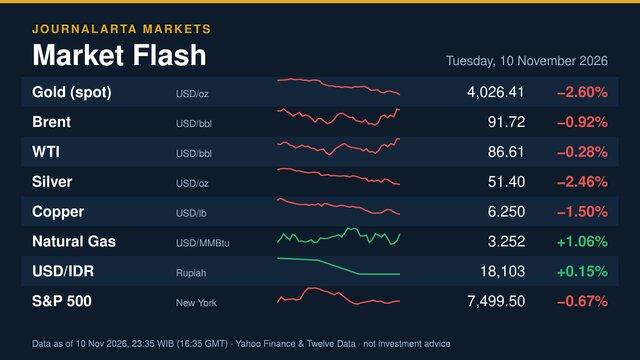
It is the second time in four years that a distant war has hit British bills. Since US and Israeli strikes on Iran in February effectively closed the Strait of Hormuz, oil and gas prices have soared.
Winter is expected to push them higher. Europe's winter gas stores are at their lowest since records began in 2011, just as demand for gas rises.
Two rival bets
World leaders are gathering this week in Antalya, Turkey, for COP31, the UN climate summit. Energy policy has become the front line between the two biggest energy powers, leaving other countries caught in the middle.
America is betting on fossil fuels, pumping record volumes of oil and gas and pressing allies to buy them. China is betting on electricity-based technology, flooding the world with solar panels, batteries and electric cars.
The UK already buys nearly a quarter of its imported gas from America and much of its clean energy equipment from China.
Gas field yes, Chinese turbines no
In March, ministers blocked a £1.5bn wind turbine factory planned at Whiteness Head on the Moray Firth by Ming Yang, one of China's biggest turbine makers. The plan promised up to 1,500 jobs initially. Ministers cited national security, after US lawmakers urged the UK to stop it.
Last month, the government approved a new North Sea gas field, Jackdaw.
Few countries are more exposed to the shock. Gas heats most British homes and often sets the wholesale price of electricity. Less than half of the UK's gas now comes from its own North Sea fields.
The last shock, after Russia's invasion of Ukraine, cost households an extra £63bn, around £2,200 each, according to the Energy and Climate Intelligence Unit and E3G, two research organizations.
What the Energy Secretary says
Energy Secretary Miatta Fahnbulleh says tackling climate change remains a priority after Britain's hottest summer on record. Asked which matters more, bills or climate, she was clear: "With the cost of living biting, affordability is my overriding objective, without a doubt."
"We are far too exposed to global markets we have no control over," Fahnbulleh said. Her answer was "homegrown clean energy".
China's emissions slow
China's electricity mix is shifting. In the first half of 2026, less than half of its power came from coal for the first time. Twenty years ago, coal supplied 80%.
Climate Action Tracker says China's carbon emissions peaked in 2024 and fell in 2025. The Centre for Research on Energy and Clean Air, a Finnish think tank, found emissions flat or falling since March 2024, apart from a small rise in early 2026.
Beijing has not confirmed a peak. The latest emissions data its government has released is for 2021.
China's share of global CO2 rose from around 10% to more than 30% between 1990 and 2024. "Once China's carbon emissions peak, global carbon emissions will likely peak, too," said Yu Aiqun, a research analyst at Global Energy Monitor.