Slight Fall in Carbon Emissions: Fossil CO2 Down 0.4% in 2026
Scientists at the Cop31 climate talks in Antalya said fossil fuel CO2 will fall about 0.4% in 2026 to 38.2bn tonnes, largely because of the Iran war's oil shock. Deforestation and fires pushed total emissions up, and researchers warn the dip may not last.
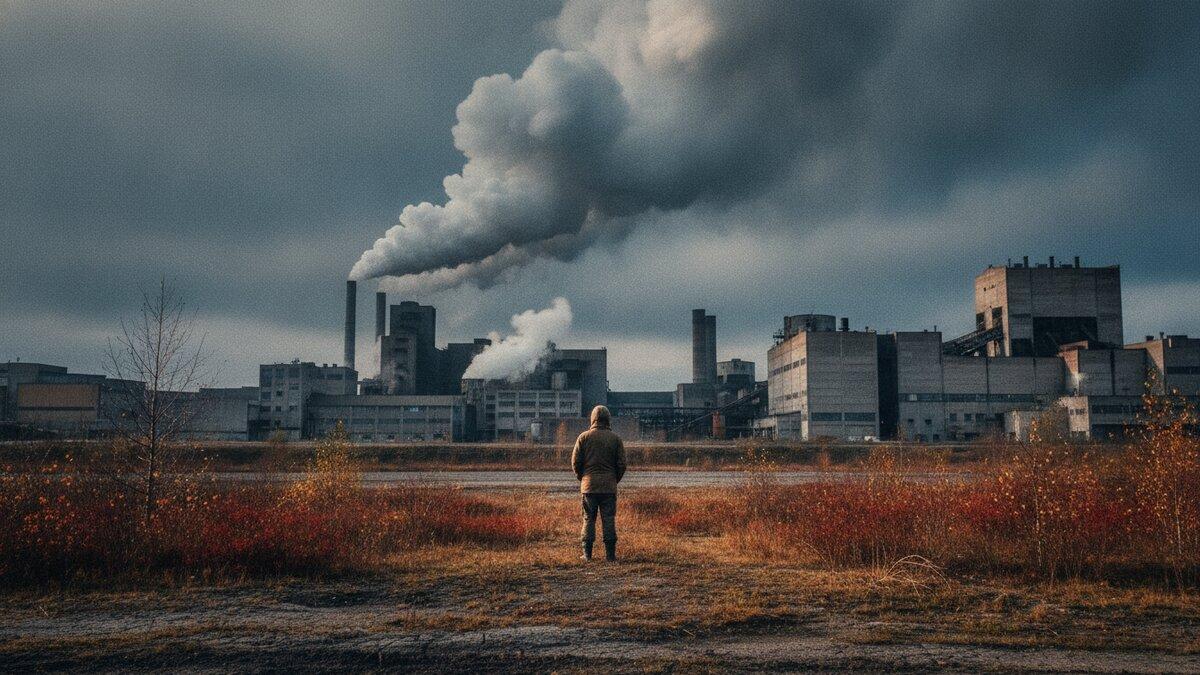
Global carbon dioxide emissions from fossil fuels will fall about 0.4% in 2026, scientists said on November 10 at the Cop31 climate talks in Antalya, Turkey. The slight fall in carbon emissions follows the oil and gas price surge triggered by the war in Iran.
The Global Carbon Budget, an annual assessment by scientists from universities and research institutions worldwide, puts fossil emissions at about 38.2bn tonnes of CO2 this year. It is published in the journal Earth System Science Data.
Oil drives the drop
Emissions from oil are down nearly 2% as drivers use less fuel and switch to electric vehicles. Natural gas emissions fell 0.3%, while coal rose 0.6%, according to the Global Carbon Project.
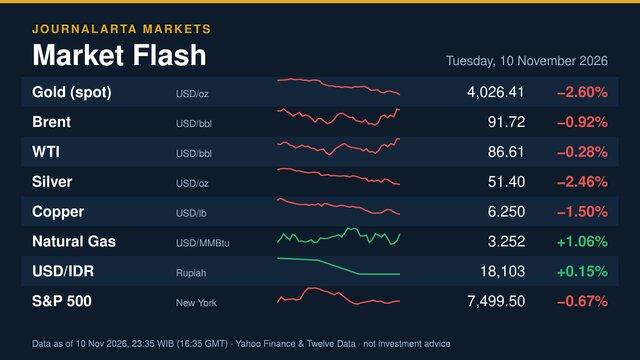
The war has effectively closed the Strait of Hormuz, a vital shipping route for petroleum products, and pushed up gasoline and oil prices. Glen Peters, a research professor at the Cicero Center for International Climate Research in Norway, said the timing and the type of fuel point to the war. "A little bit of good news, but for the wrong reasons," he said.
Energy demand keeps rising as more people gain access to electricity. Two-thirds of that increase is being met by solar and wind power and by the uptake of electric vehicles, the report said.
Total emissions still rising
The fossil fuel dip was outweighed by deforestation and land use change, including major fires in south-east Asia and more wild land converted to farming. Total emissions are forecast to rise from 42.8bn tonnes last year to 43.3bn tonnes in 2026, a rise of about 1%.
China, the biggest emitter, is likely to cut its output by close to 1%, mostly because oil use fell 5%. US emissions are likely to drop by about 1.3% as less coal is burned. India's emissions grew strongly on higher coal use, though its oil use declined slightly.
Doubts over how long it lasts
This is only the third drop in global carbon pollution this century. The other two followed the 2009 recession and the 2020 pandemic.
Peters said the dip is not a peak. "A drop in emissions in one year is not a peak, unless it is driven by structural change," he said. He added that it is too early to say whether China's flat emissions will hold or rebound next year.
Niklas Höhne, co-founder of Germany's NewClimate Institute, said permanent shifts are happening, especially the rapid move to electric cars and trucks in Asia. He thinks the global peak is near or already here.
Malte Mienshausen of the University of Melbourne was more cautious. Oil-producing nations and companies not hit by the Hormuz blockage reaped "tremendous windfall gains," he said, which boosts their search for oil outside the Middle East and could dampen any short-term benefit.
The authors listed other risks: a bigger coal build-out in India, easing oil prices and US President Donald Trump's enthusiasm for fossil fuels. The remaining carbon budget for staying under 1.5C of warming is about 150bn tonnes, less than four years at current rates, the scientists said.
Mohamed Adow, director of the environmental group Power Shift Africa, urged perspective. "We shouldn't lose sight of the bigger picture," he said, noting the world still emits more than a thousand metric tons of CO2 every second.