Mum, 40, Woke Having a Stroke After GP Said Call Back Next Day
Ruth Jones, a teacher from Conwy, woke up having a stroke in September 2021 after her GP told her to call back the next morning. She describes the wait for an ambulance, which was up to five hours, and the signs doctors say everyone should know.
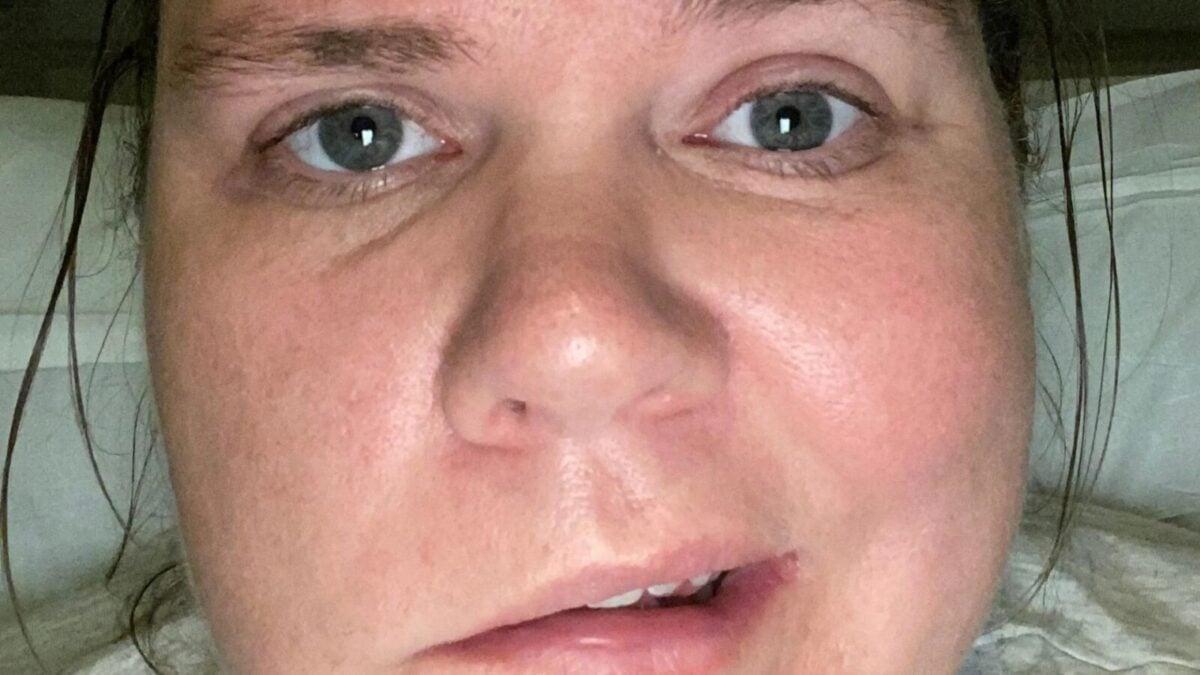
Ruth Jones, a teacher from Conwy, woke up having a stroke in September 2021 after her GP told her to call back the next morning about asthma-like symptoms. The mum, 40, had phoned the surgery at the end of a tough day.
The single mother of two did not have the energy to argue. She put her symptoms down to stress and decided to sleep them off.
The next morning, after yawning, she noticed her face did not feel right. She got up and looked in the mirror.
"I thought this is it – this is a stroke," Jones said. "I had just been trained on it and now it was happening to me."
She said she had tried to tell herself it was a migraine. "But deep down, I knew something was very wrong."
Waiting for an ambulance
Her arm began to tingle and panic rose. Jones forced herself to stay calm because she did not want to alarm her daughters, who were five and 10 at the time.
She called 999 and told the operator she was having a stroke. She described a drooping face, slurred speech and a weak arm.
The wait for an ambulance was up to five hours. Fearing she might not survive that long, Jones phoned her father and said three words: "Stroke. Hospital. Now."
He reached her house within minutes and drove her to hospital. By the time she arrived, she could no longer speak properly and her right leg was giving way.
Covid restrictions meant nobody could go in with her. "Walking into that hospital alone was one of the scariest moments of my life," Jones said. "I couldn't talk [and] I couldn't stand well. I felt completely helpless."
Signs of a stroke
A stroke happens when the blood supply to the brain is cut off, killing brain cells. The effects depend on where in the brain it strikes, and it can happen at any age.
There are three types. An ischaemic stroke is caused by a blockage such as a clot, and a haemorrhagic stroke by a bleed in or around the brain. A transient ischaemic attack, or mini stroke, has shorter-lived symptoms and is a major warning sign of a full stroke.
The FAST acronym covers the main signs:
Face weakness: can the person smile, or has their mouth or eye drooped? Arm weakness: can they raise both arms? Speech problems: can they speak clearly and understand you? Time to call 999 if you see any of these.
Other symptoms include sudden numbness on one side of the body, sudden blurred vision or loss of sight, sudden confusion or memory loss, dizziness or a sudden fall, and a sudden, severe headache. The faster a patient gets treatment, the more likely the damage can be reversed or stopped.