Huawei Says It’s Made 100% Chinese PC, the Qingyun HM650
Huawei launched the Qingyun HM650 desktop last week and claims every component was made in China. It runs the company's Kirin X90 chip and an enterprise version of HarmonyOS. One government agency has reportedly ordered 600 units.
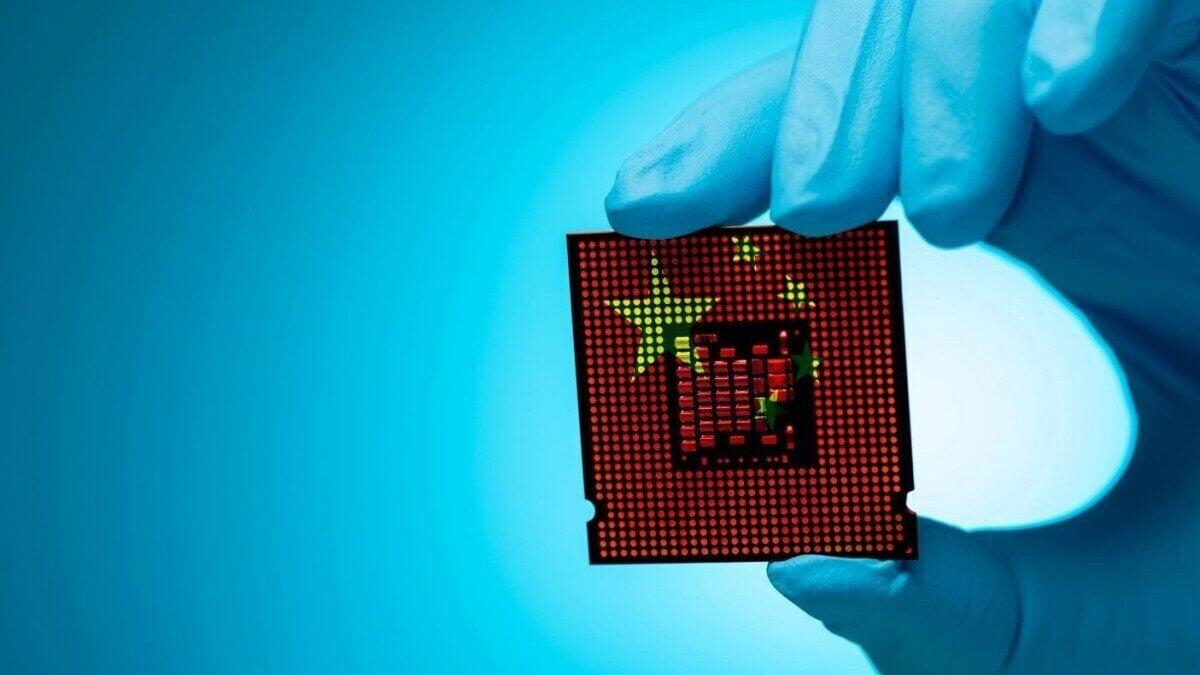
Huawei launched the Qingyun HM650 desktop PC last week and says it is a machine built entirely from parts made in China. The claim, that Huawei says it's made 100 percent of the computer domestically, reached a wider audience on November 9, 2026.
What the Qingyun HM650 runs on
The processor is Huawei's own Kirin X90. It has ten cores, 20 threads and a clock speed of 2.3 GHz.
The software is a newly developed enterprise version of HarmonyOS. Huawei created that operating system to end its dependence on Android, and it intends to run it on most of the devices it makes.
Government demand
A single Chinese government agency has reportedly signed up for 600 of the machines. That suggests the PC is not a showpiece. Beijing has ordered all government entities to move from Wintel boxes, meaning Windows and Intel-based PCs, to local alternatives.
Questions over the 100 percent claim
Huawei has reportedly said local companies manufactured every component in the machine. It is unclear whether all of those components use Chinese designs. Many non-Chinese companies continue to run factories in China, so a part made there is not necessarily a Chinese part.
Pressure on Intel, AMD and Qualcomm
Even if some parts are not entirely Chinese, the HM650 is bad news for Intel, AMD and Qualcomm. All three are already struggling as the PC market shrinks because memory costs more.
China's government is an enormous buyer. Losing the chance to bid for its business is unlikely to help those chipmakers.
Other Asia tech news
Japan's government announced emergency funding last Friday to strengthen the country's cyber-defenses. The ¥10 billion ($63 million) package follows a wave of attacks that disrupted railways, retailers, KFC's logistics provider and cloud computing operators.
The money will help government agencies use AI to cover security basics. It will also pay for tools that let the National Cybersecurity Office pool information about attacks, and it will support victims.
Separately, Lenovo is looking for a new head of its Asia-Pacific operations. Amar Babu, who led the region for more than five years, is moving to Motorola as mobile business group general manager and global president. Lenovo has not named his successor.
In a company announcement, Lenovo said Asia-Pacific kept its number one PC position and that Motorola reached nearly 9 percent market share in India. Motorola is also the number two smartphone maker in Japan, the company said.