Jefferies’ Chris Wood Raises India Weight as AI Stocks Slide
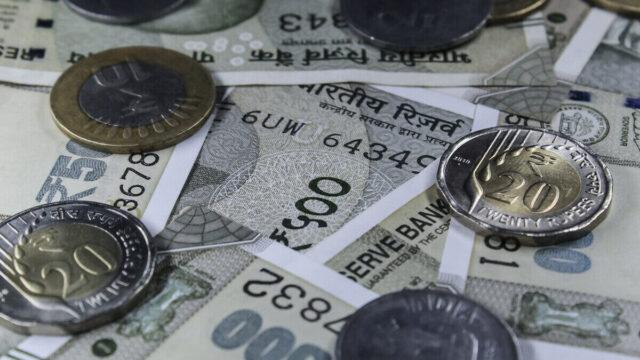
Jefferies strategist Christopher Wood raised India’s share of an Asia-Pacific portfolio to 15% and cut Taiwan’s allocation by one percentage point. It was his second increase for India in less than three weeks, as investors questioned technology valuations and artificial intelligence spending.

Jefferies strategist Christopher Wood raised his Asia-Pacific portfolio’s India weighting and cut Taiwan’s as technology stocks came under pressure. His latest bet takes India’s allocation to 15%, up one percentage point, according to his weekly GREED & fear note.
Taiwan’s share fell by the same amount. The portfolio excludes Japan and measures returns against a benchmark.
It was Wood’s second increase for India in less than three weeks. Its weighting rose from 12% to 15% in November.
The adjustment comes as investors question technology valuations and the sustainability of spending on artificial intelligence, or AI. Wood distinguished those market concerns from evidence of an actual slowdown in investment.
“Financial markets continue to act like the AI capex cycle has peaked in spite of a lack of any compelling evidence as yet of any such development on the ground,” Wood wrote. Capital expenditure, or capex, is money companies spend on infrastructure and other long-term assets.
Wood, Jefferies’ global head of equity strategy, said the question was whether current weakness marked a peak in AI investment or a correction within the cycle. For now, his note would continue to treat market signals as valid.
On November 9, an earlier adjustment raised India’s allocation by two percentage points to 14%. Wood cut South Korea and Taiwan by one percentage point each.
That move left India above its 12% weighting in the portfolio’s MSCI benchmark. South Korea and Taiwan remained below their benchmark weights.
The changes reverse Wood’s positioning earlier in 2026, when a semiconductor rally prompted him to raise exposure to North Asian technology companies.
In July, Wood said foreign investors had sold Indian equities to increase exposure to South Korea and Taiwan. Semiconductor companies in those markets were benefiting from rising AI infrastructure spending, he said.
Wood said a sustained return of overseas money to India would depend significantly on whether markets questioned the scale of US technology companies’ capital spending. In September, he warned that greater reliance on borrowing for AI infrastructure could create credit risks if investments failed to generate adequate returns.
On November 19, the Nasdaq Composite fell 2.25%, while the S&P 500 declined 2.02%. The Dow Jones Industrial Average dropped 1,101 points, or 2.19%, to 49,097.06.
 Take the quizWhat Kind of Holiday Spender Are You? Take the Black Friday QuizStart →





 Lifestyle · Food & HealthNormal Blood Pressure Chart by Age: Healthy Ranges Explained
 Lifestyle · Food & HealthWhat Is Raynaud’s Syndrome? Why Fingers Turn White in the Cold
 Lifestyle · Food & Health4 Ways Walking After Meals Helps Your Body, Doctors Say
 Lifestyle · Food & Health4 Reasons to Eat Oatmeal, According to Nutrition Experts