EU Audit of Europe’s Marine Protected Areas Finds 2030 Goal at Risk
The European Court of Auditors says the EU is "highly unlikely" to protect 30% of its marine area by 2030. Fishing inside protected sites is 72% higher than in other European waters, and most of it uses bottom-contact gear, the auditors found.
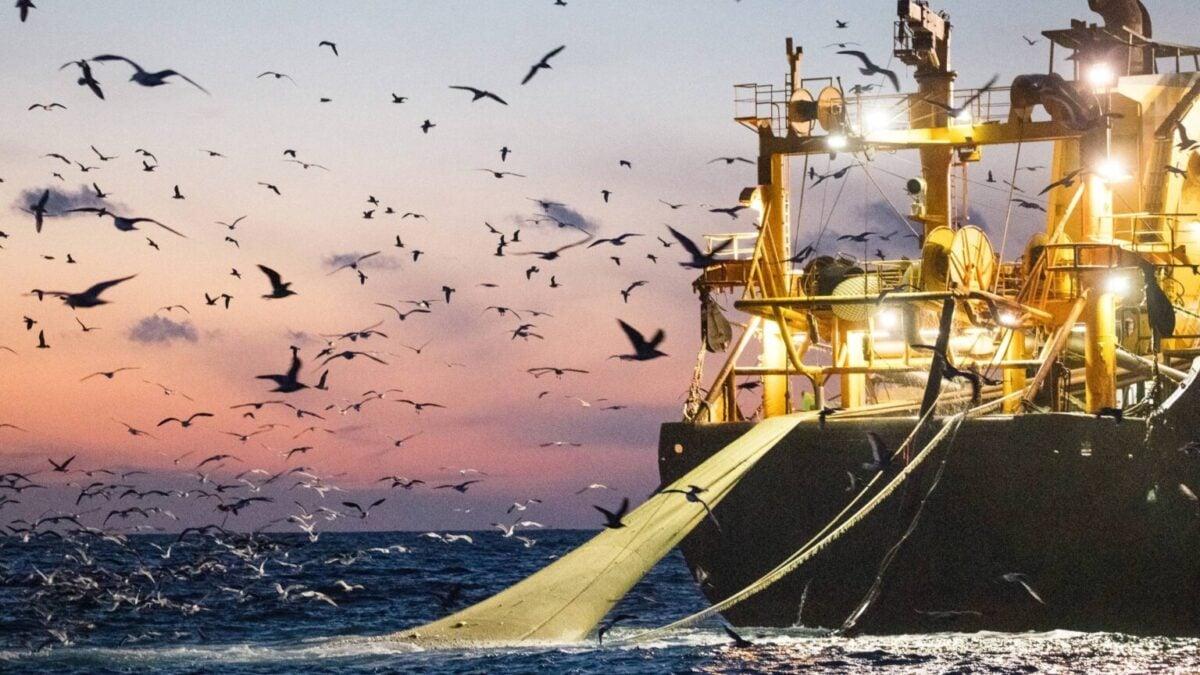
The European Court of Auditors, the EU's independent auditing body, said in a report published October 26 that the bloc is "highly unlikely" to protect 30% of its marine area by 2030. The finding is an audit of Europe's marine protected areas, and it casts doubt on a pledge the EU has pushed hard on the world stage.
The auditors concluded that the EU "has not established a marine protected area network that effectively protects the marine environment."
Fishing higher inside protected sites
In Natura 2000 sites, the type of marine protected area (MPA) that covers the most area, apparent fishing activity is 72% higher than in other European waters. About 85% of that fishing effort involved what the auditors called the "most destructive bottom-contact gear." Bottom trawls, which drag weighted nets across the seabed, are one example.
The auditors also found that many sites struggle with staffing and funding. The EU has no standardized way to assess how well MPAs work. Offshore and deep-sea habitats are underprotected, and the network lacks the ecological connectivity needed to function as a coherent system.
The audit covers European waters spanning roughly 5 million square kilometers (2 million square miles), an area larger than the EU's land area. Twenty-two of the 27 member countries are coastal states. Overseas territories are generally excluded, so France's large 30×30 gains in the Pacific and Indian oceans are not counted.
Reaction and background
The European Commission said it would support EU countries in implementing measures. It added that projects are underway to improve assessments of MPAs.
John Condon, lead for marine ecosystems at the U.K.-based group ClientEarth, said the report "bolsters the growing criticism of the EU's 'paper parks'." Campaigners have long accused the bloc of allowing destructive fishing, in particular bottom trawling, inside MPAs, he said. ClientEarth belongs to the MPA Legal Coalition, a group of 11 NGOs launched in July that has taken legal action against EU countries over bottom trawling in MPAs.
Condon said EU leaders stress the urgency of 30×30 globally, but "this is not being matched by ambitious implementation and enforcement of that protection here in Europe."
In 2020, the Commission adopted a Biodiversity Strategy for 2030 to legally protect 30% of the bloc's land and sea. One-third of that is to be strictly protected, which at sea generally means a complete ban on fishing, mining and dredging. In 2022, most of the world's nations committed to the same 30×30 framework at the U.N. Biodiversity Conference in Montreal.
So far, only about 10% of the global ocean has been designated as protected.