Marine Le Pen, Alice Weidel Differ on EU Fiscal Policy
Marine Le Pen and Alice Weidel oppose continued EU financial support for Ukraine and want to reshape the bloc around sovereign states. Their parties diverge on tax policy, the European Central Bank and the limits of EU authority as both leaders gain political ground in France and Germany.
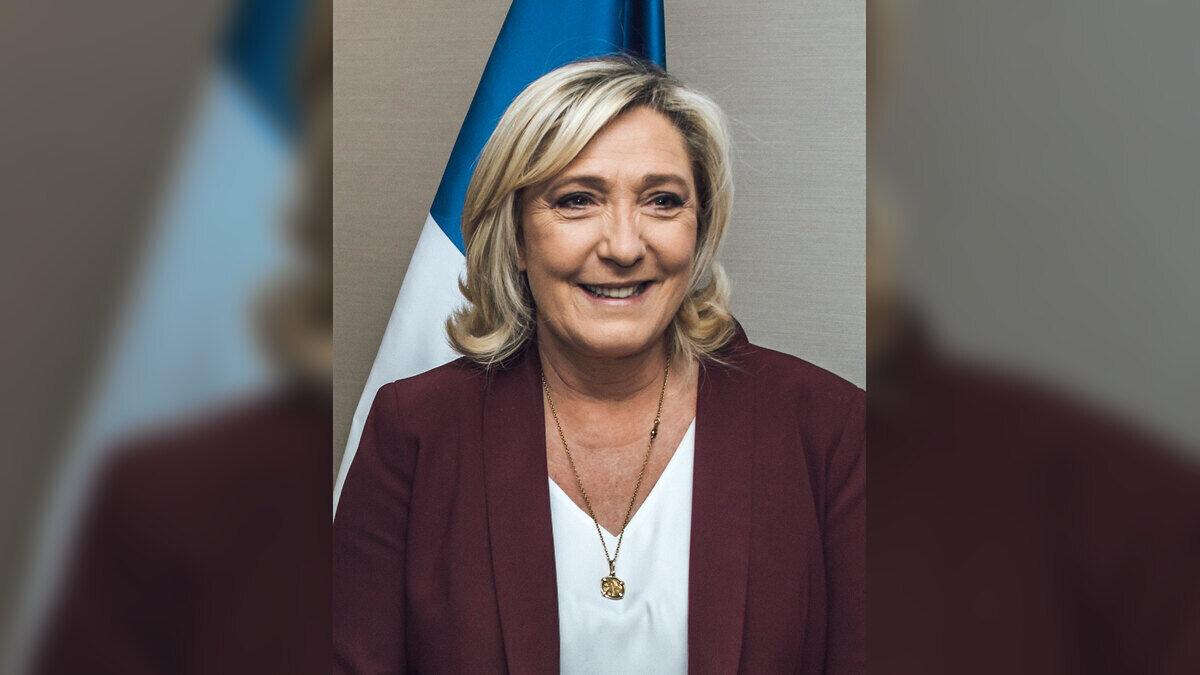
Marine Le Pen and Alice Weidel, leaders of France’s National Rally and Germany’s Alternative for Germany, are gaining ground while proposing a less centralized European Union. The french german right consider a new direction for the bloc, but the two leaders differ on fiscal policy and how much authority EU institutions should hold.
Both parties oppose continued financial support for Ukraine, deeper European integration and what they describe as excessive EU regulation. Neither currently advocates leaving the bloc. Instead, they want an association of sovereign states with weaker central institutions.
Weidel said after her party’s showing in the Saxony-Anhalt regional election that “It is our aim to assume governmental responsibility after the next federal election.” The result put the AfD in a position where it could form a local government for the first time.
In France, a poll by the Institute of French Opinion Polls placed Le Pen at 34 to 38 percent in the first round of next year’s presidential election, making her the front-runner, according to the poll description.
Their shared opposition to aid for Ukraine has been especially clear. Le Pen said France’s strained public finances could no longer sustain support for Kyiv and called for the lifting of EU sanctions against Russia.
“We obviously agreed to train their soldiers, their army, to provide them aid in terms of equipment, but we can no longer finance Ukraine, so this funding will stop,” Le Pen said.
Weidel has called for a peace treaty and a diplomatic approach that considers the security interests of both Ukraine and Russia. She has also said Ukraine had lost the war and pledged to end German support.
The parties’ sharpest divide concerns fiscal policy. Le Pen wants EU-level tax harmonization for tobacco, alcohol and large companies, arguing it could prevent competition between countries over taxes. She also wants the European Central Bank to give greater weight to growth and employment alongside price stability.
“I have always believed the ECB must rethink its course of action. It is essential that it take into account employment, growth and innovation,” Le Pen said.
The AfD rejects transferring fiscal authority to EU institutions and argues that the European Central Bank should focus strictly on price stability. Weidel accused the bank of crossing that line: “There is a ban on the European Central Bank financing state debt. And what is it doing? It's financing state debt.”
Both parties oppose common EU debt and want to cut their countries’ contributions to the bloc’s budget. Le Pen proposes capping France’s contribution at five billion Euros a year, while Weidel’s “New Deal for Europe” calls for Germany to “end Germany’s role as paymaster.”
On energy and climate policy, both leaders criticize the EU’s Green Deal and support nuclear power, while taking somewhat different approaches.