Japan’s Military Planners Find Time Constraint in Crisis Decisions
A 2022 wargame exposed how assumptions about Japan’s authority to grant emergency access to private land could narrow U.S. forces’ options before a missile attack. The episode points to a planning challenge: test legal and administrative procedures without assuming what Japan’s government would decide in a crisis.
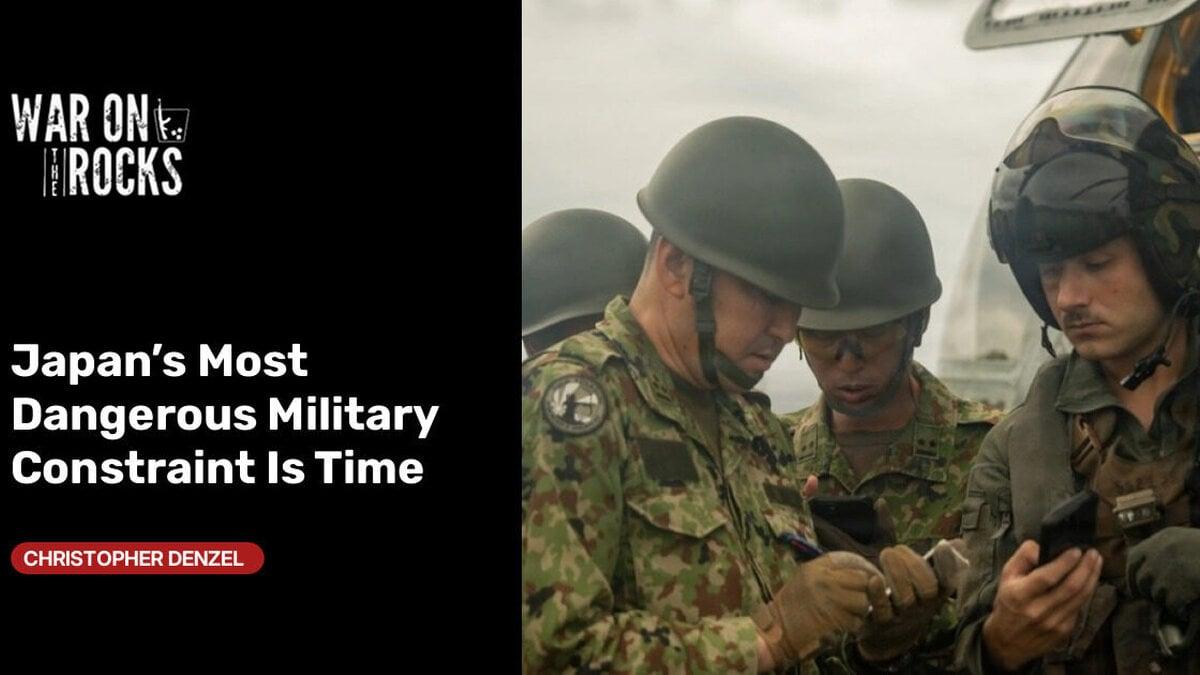
A 2022 wargame found that Japan’s most dangerous military constraint may be time, after planners identified a possible cabinet option for granting emergency access to private land before an attack. The finding could affect how Japan and the United States prepare to move forces ahead of a missile strike.
During the exercise, U.S. forces needed to disperse from concentrated bases before an adversary’s first missile salvo. Participants initially believed Japan could authorize emergency access to private land only after an attack.
One participant read the law differently and identified an earlier option available to the cabinet. The law and policy had not changed; the interpretation had.
The exercise’s account said the perceived restriction had looked like a firm political barrier, despite an alternative reading of existing rules. It argued that planners should test legal and administrative limits rather than let assumptions harden into contingency plans.
Japan’s cabinet may decide whether and when to act in a crisis, and planners cannot predict that choice, the account said. They can, however, examine whether procedures allow action sooner without presuming a political decision.
The distinction is between procedural flexibility and political flexibility. The first means room to act within existing law and process; the second concerns a government’s latitude to make sovereign choices, including accepting political costs or changing policy.
Planners can develop and rehearse procedures together, but they cannot credibly script a cabinet’s political decisions. The account warned that unscripted games can portray Japan as rigid, while scripted exercises may make cabinet decisions move at the speed of exercise objectives rather than political reality.
Flexible procedures could give Japan’s cabinet more options and a wider decision window, the account said, without presuming whether or how the country would enter a conflict. It urged civilian and military institutions in both governments to examine decision timelines.
The account said China could not take Taiwan without impinging on Japanese sovereignty, while Japan could not secure itself without Japanese and U.S. forces in place. It also cautioned planners to assume Tokyo would decide as cautiously and as late as its politics allow.