Qantas Cut 850 Local Jobs in Accenture Deal Shifting Work to India
Qantas will cut 850 local jobs after signing a deal with Accenture to modernize its back-end systems, with much of the back-office work moving to India. Chief executive Vanessa Hudson apologized for the uncertainty. The Australian Services Union had sought assurances in August.
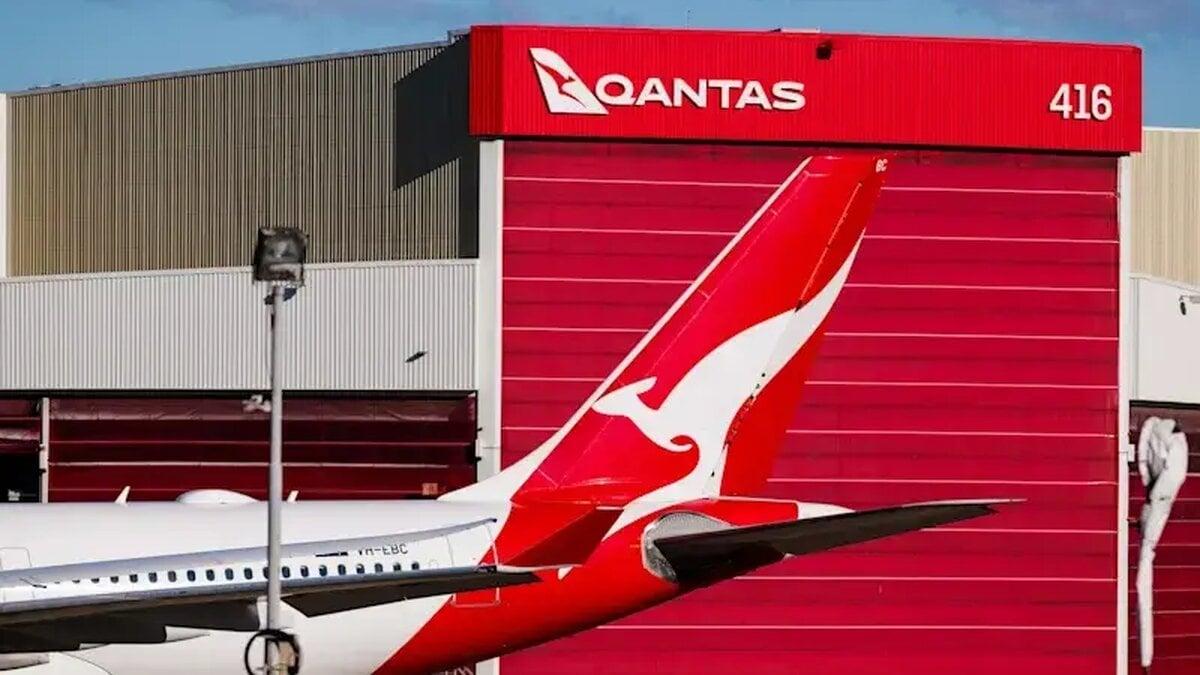
Qantas will cut 850 local jobs after signing a deal with professional services firm Accenture to modernize its back-end systems, processes and data, the airline said on November 10, 2026. Most of the back-office work will move to India.
The first phase covers staff in finance, procurement, human resources and marketing. Those changes are expected to be completed by the middle of next year.
What Qantas said
Chief executive Vanessa Hudson acknowledged the toll. "I know this is hard news for some, and I'm sorry for the uncertainty it brings," she said.
She said the changes are about modernizing the technology behind the business and becoming more efficient, so the airline can keep investing in customers and staff. "Individual outcomes have not been determined," Hudson said. Qantas will consult affected employees and their union over the next few months.
Hudson pointed to artificial intelligence and to more than 1,000 back-office systems the airline currently runs. Qantas and Accenture will together redesign and simplify parts of how corporate functions work and reduce duplication, she said.
Some services will move to Accenture, "delivered mostly by its teams in India and some in Australia," Hudson said. Accenture has more than 84,000 staff in India, according to LinkedIn.
She also said the airline cannot do this alone. "Reinvention at this scale is not possible to do on our own," Hudson said, adding that a partner gives access to data and AI skills the airline cannot hire fast enough to get.
Costs and earlier cuts
The cuts build on earlier reductions at the airline's head office at Mascot in Sydney. Qantas is trying to lower costs in an environment of high fuel prices and rapid technological change.
Last week the airline announced reductions to capacity as high fuel prices continued to bite. Fuel prices have surged because of the Middle East conflict, putting pressure across the aviation industry.
Union response
The plans, run under an internal program known as Project iQ, were first reported in August. The Australian Services Union, which represents the workers, sought assurances at the time that the roles would not be moved offshore.
ASU Assistant National Secretary Scott Cowen said in August that Qantas had told the union there was no plan to offshore any Australian jobs. He warned of consequences if that proved untrue.
"If that commitment from Qantas turns out to be worthless, it won't just be a broken promise to the ASU," Cowen said. "It will be a deep breach of trust with the Australian public who have stuck by this airline through everything it has put them through."
Qantas said its consultations with the union are ongoing.