Indonesia’s Pulang Pisau Moves From Fire Emergency to Recovery
Pulang Pisau has shifted from an emergency response to a recovery phase through Nov. 30, as fire hotspots decline and rainy-season weather approaches. Officials say monitoring will continue.
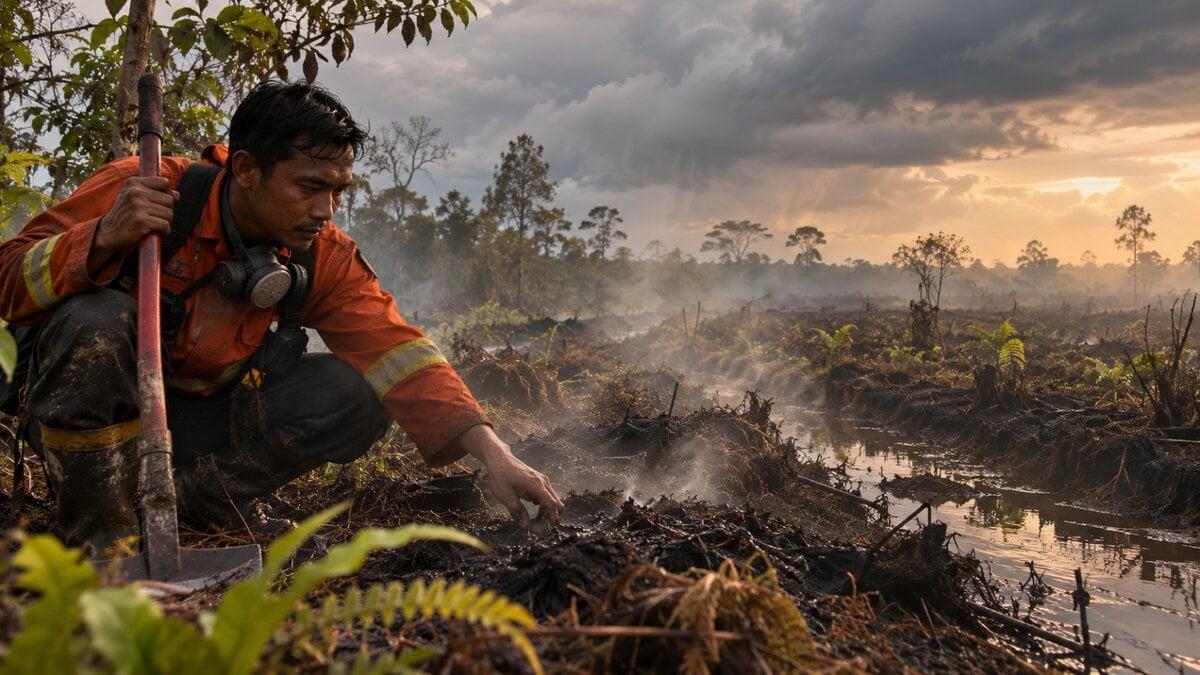
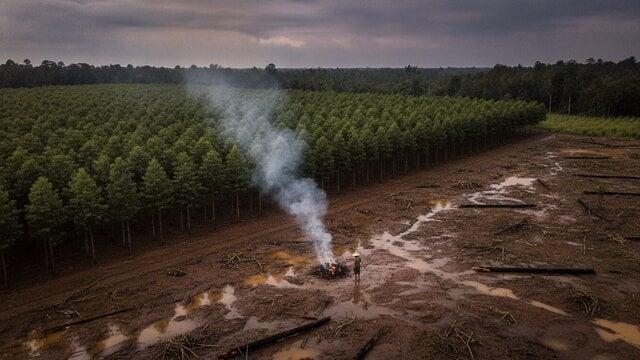
PULANG PISAU, Indonesia — A district in Indonesian Borneo has moved from emergency response to recovery after wildfire hotspots declined and forecasts pointed toward the rainy season, while officials said they would keep monitoring conditions for renewed fires.
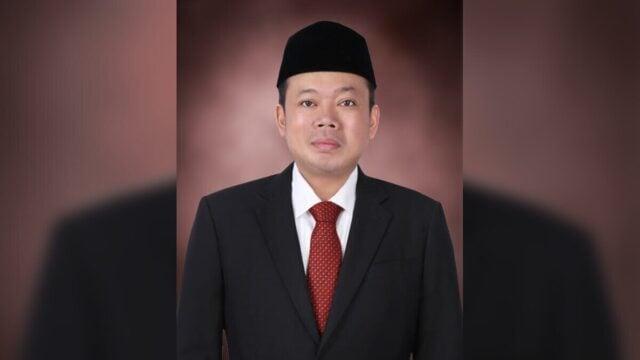
Pulang Pisau district in Central Kalimantan lowered its emergency status for forest and land fires and drought on Nov. 9, 2026. The transition period runs through Nov. 30, according to district head Ahmad Rifa’i.
The decision followed an assessment with the Regional Leadership Coordination Forum, a local government and security coordination body, and other agencies. Officials said the change shifts the focus toward recovery but does not end field surveillance.
Weather and fire activity inform decision
Rifa’i said forecasts from Indonesia’s Meteorology, Climatology, and Geophysical Agency (BMKG) were among the factors behind the downgrade. The district was beginning a transition toward the rainy season, he said.
“BMKG forecasts show that Pulang Pisau district is beginning the transition toward the rainy season,” Rifa’i said in Pulang Pisau on Monday.
He also cited a decline in fire hotspots across the district’s subdistricts as evidence that conditions were improving.
“The number of hotspots across all subdistricts has also decreased, so the response to forest and land fires is starting to improve,” he said.
Monitoring to continue during recovery
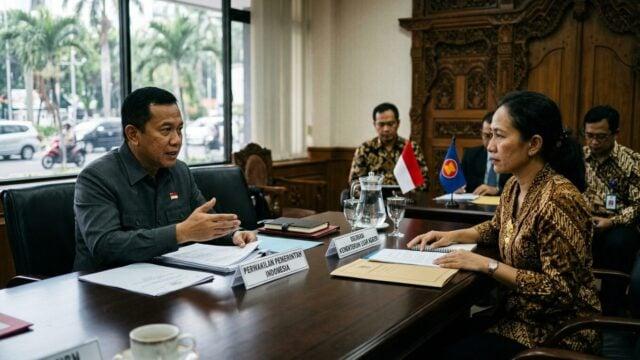
The review meeting included Deputy District Head Ahmad Jayadikarta, Pulang Pisau police chief Muhammad Aminuddin, local military commander Deky Febrianto and district prosecutor Arief Swandaru, along with government departments and subdistrict heads.
Rifa’i said the district would continue coordinating with relevant agencies and monitoring conditions throughout the transition. Recovery work will proceed alongside preparations to respond if fires re-emerge.
“We want conditions in the district to remain safe during the recovery transition so residents can return to their activities comfortably,” Rifa’i said.