Indonesia Targets 11 Firms in Land-Rights Review After Fires
Indonesia is reviewing land rights held by 11 companies linked to forest and land fires, with measures ranging from full revocation to rejected applications and further investigation.
JAKARTA — Indonesia is considering revoking or restricting land-use rights held by 11 companies flagged in connection with forest and land fires, a move that could affect plantation operations across several provinces. The government is weighing full and partial cancellations, rejected renewals and new applications, while some cases remain under review.
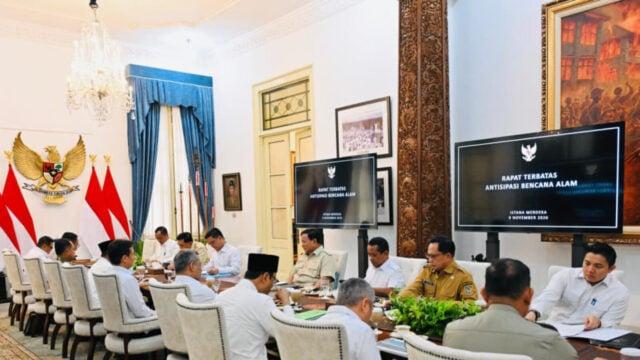
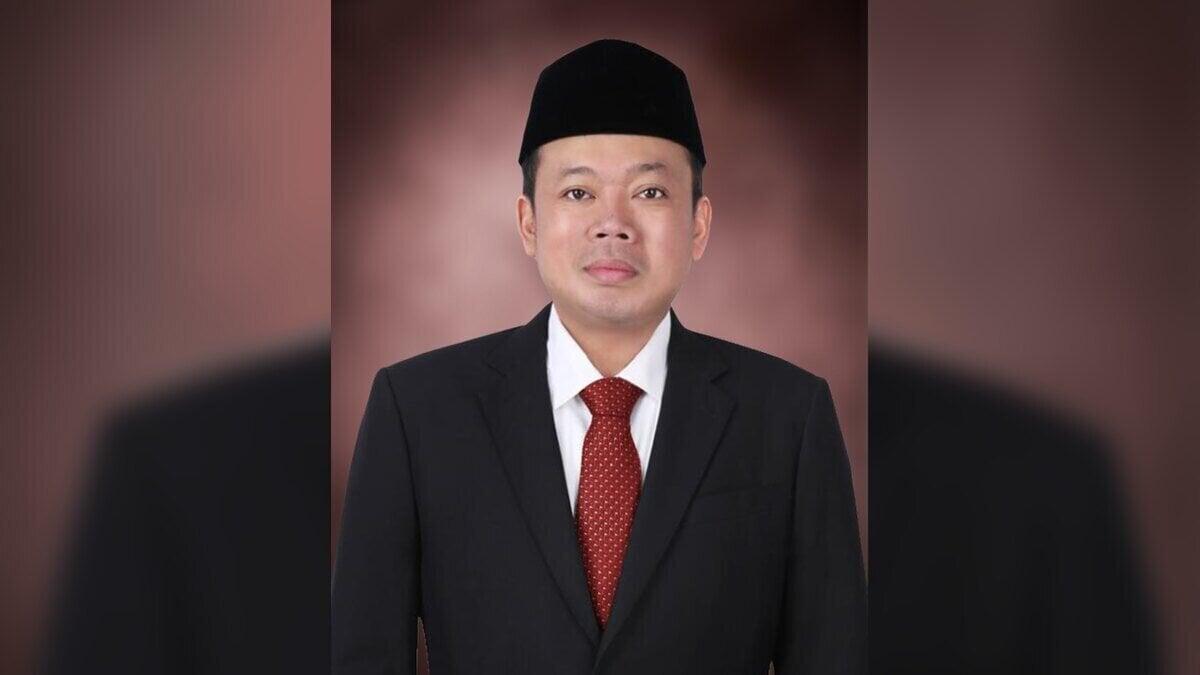
Land Affairs Minister Nusron Wahid outlined the findings of an evaluation in Jakarta on Monday, Nov. 9. The review followed recommendations from the National Police’s Criminal Investigation Agency and coordination with police investigators. Nusron said the ministry had not reached the same decision in every case: some land parcels are slated for revocation, while others require further examination.
The companies’ beneficial owners include investors from South Korea, Malaysia and Singapore, as well as Indonesian shareholders, Nusron said. He declined to disclose some domestic investor names.
Four holdings face full revocation
The Ministry of Agrarian Affairs and Spatial Planning/National Land Agency is proposing full cancellation of PT MIB’s 4,000-hectare concession in Banjar regency, South Kalimantan, and PT RKA’s 11,558.11-hectare concession in Melawi regency, West Kalimantan.
Two PT SKM parcels in Ketapang regency, West Kalimantan, are also in the full-revocation group. They cover 5,355.33 hectares and 2,360.81 hectares, respectively, for a combined 7,716.14 hectares.
Nusron said the assessment considers whether more than half of a concession burned, whether facilities and infrastructure failed to meet requirements, whether fires occurred repeatedly and whether companies violated conditions attached to their land-rights decrees. The ministry is evaluating each case on its administrative record.
Expired rights and new applications
PT BSLT’s 2,300-hectare concession in Kubu Raya regency, West Kalimantan, will not be extended, renewed or reorganized, Nusron said. The land-use right expired in 2020.
The ministry also plans to reject land-use rights for three companies whose rights have not yet been issued: PT ANI, seeking 5,246 hectares in Landak regency; PT BOS, seeking 4,750 hectares in Kapuas Hulu regency; and PT AER, seeking 5,134 hectares in Ketapang regency. Nusron said the ministry would coordinate with the Agriculture Ministry on whether to consider revoking the companies’ plantation business permits.
PT SAE, in Landak regency, faces a proposed partial cancellation. Its concession covers 1,510.2639 hectares. The ministry cited a burned area of no more than 50% and facilities and infrastructure that did not meet requirements as factors in its assessment.
Other parcels remain under review
The ministry has not decided whether to revoke some or all of several other holdings. It is examining PT STP parcels of 129.5500 hectares and 286.9900 hectares, as well as PT API parcels of 1,263.35 hectares and 4,154.94 hectares.
Two PT JMS parcels, measuring 4,928.7000 hectares and 521.8700 hectares, are also undergoing further review. Nusron said the additional work is intended to establish a reliable basis for decisions; the review does not mean that every parcel in this group will be revoked.
Land-use rights determine whether companies can retain control of the relevant land and continue associated activities. The distinction between full and partial revocation, non-renewal and rejection of a new application therefore determines how much land a company may continue to manage.
Nusron said any administrative action must have a legal basis and be supported by accountable examination. The process is governed by Indonesia’s 2014 Administrative Government Law, Government Regulation No. 18 of 2021 and land-agency rules on land disputes and burned areas. Steps include an initial review, case examination, research, presentation of findings, coordination meetings and preparation of recommendations.
“The data have been submitted, and what remains is drafting the decision letter. We will announce it soon,” Nusron said.