FDA Orders Blindness Risk Warning on Ozempic, Zepbound
The US Food and Drug Administration told patients and doctors on Monday it is requiring GLP-1 weight-loss and diabetes drugs to carry a warning about a rare eye condition that can cause sudden vision loss. Eli Lilly and Novo Nordisk responded to the order.
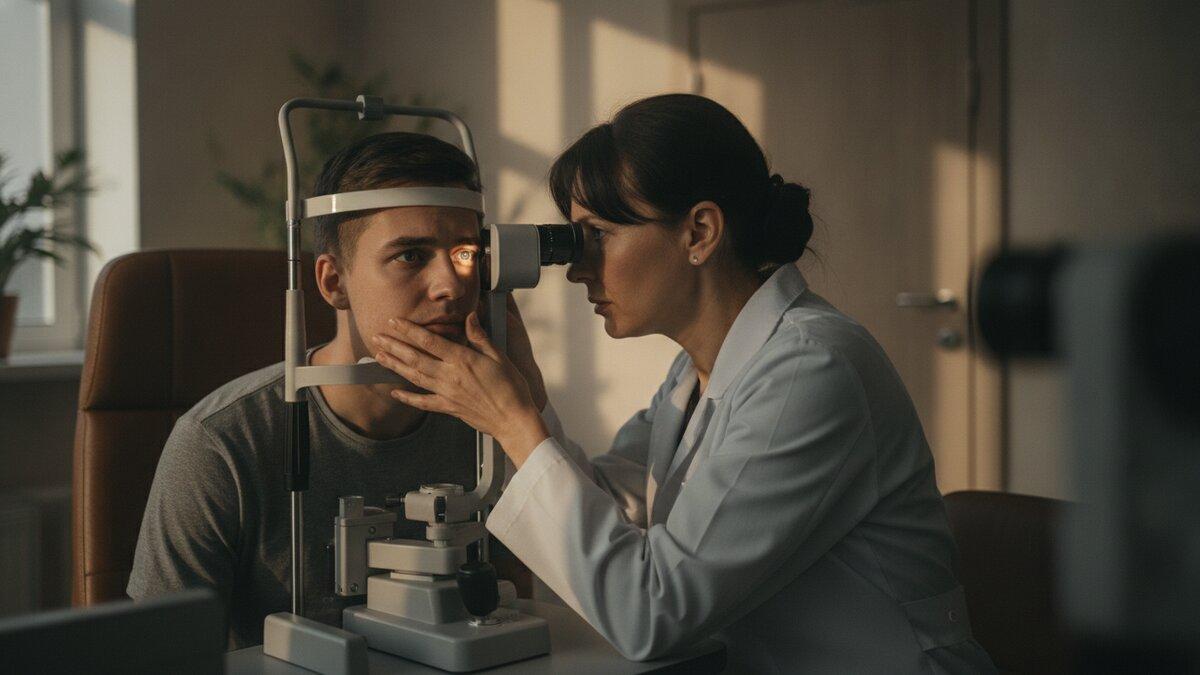
The US Food and Drug Administration on Monday ordered GLP-1 weight-loss and diabetes drugs to carry a warning about a potential increased risk of a serious eye condition. The FDA orders blindness risk labeling for medicines including Eli Lilly's Mounjaro and Zepbound and Novo Nordisk's Ozempic and Wegovy.
The condition is called non-arteritic anterior ischemic optic neuropathy, or NAION. It is a common cause of sudden, painless vision loss.
What the FDA requires
The agency said drugmakers must add information on the potential risk to the "warnings and precautions" section of each drug's label. The FDA's drug safety communication applies to all medicines with GLP-1 RA activity. GLP-1 drugs mimic a gut hormone to curb appetite and control blood sugar.
The regulator said it evaluated clinical trial data, animal data and post-marketing data. That included observational studies and case reports.
About the eye condition
NAION may lead to permanent impairment of sight in some cases. It results from decreased blood flow to the front part of the optic nerve. The underlying cause is not completely understood.
How the drugmakers responded
A Lilly spokesperson said the FDA communication "does not reference any findings specific to Lilly medicines." The company said it is carefully evaluating the update and will respond to the FDA promptly.
Novo Nordisk took a firmer line. "Novo continues to believe the data do not establish a cause-and-effect relationship and we remain confident in the benefit-risk profile of our GLP-1 medicines," a spokesperson said.
Citi analyst Geoff Meacham said the action may temporarily increase patient and investor concern. He said the rarity of NAION and the drugs' benefits should preserve a favorable benefit-risk profile and limit changes to prescribing.
Earlier signals
Last year, the European Medicines Agency's safety committee said NAION may affect up to 1 in 10,000 people taking semaglutide for at least one year. Semaglutide is the active ingredient in Wegovy and Ozempic, as well as Novo's diabetes drug Rybelsus. It was the first time a regulator had confirmed the side effect.
Four patients in Denmark who experienced vision loss after using Novo's GLP-1 drugs were granted compensation, the Danish Patient Compensation said last year.
A large study published in 2025 tracked nearly 175,000 diabetic patients treated with semaglutide and an equal number taking non-GLP-1 medications. It found the risk of NAION more than doubled after two years of treatment with a GLP-1 drug, compared with diabetes medicines from other classes.