Brent Crude Falls 7% on Unconfirmed US-Iran Nuclear Deal Reports
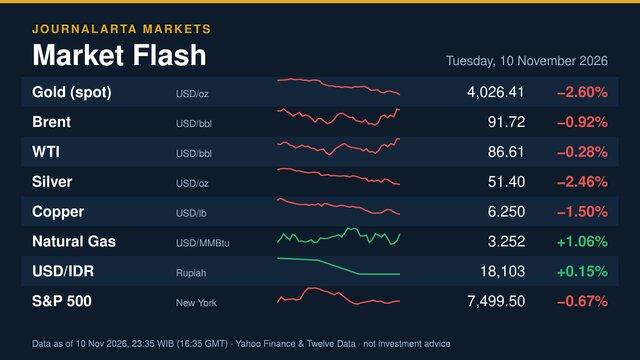
Brent crude fell 7% on Monday, November 9, 2026, after unconfirmed reports of a U.S.-Iran nuclear deal lifted hopes for peace. Saudi Arabia confirmed a pipeline attack the same day. Neither Washington nor Tehran has confirmed any agreement.
Brent crude, the global benchmark for oil prices, crashed 7% on Monday, November 9, 2026, on unconfirmed reports that the United States and Iran were close to a nuclear deal. Traders sold even after Saudi Arabia confirmed an attack on a key export pipeline the same day.
Oil prices matter well beyond trading screens. They feed into fuel costs, shipping and inflation, so a swing of this size shows how much the market is betting on an end to the Iran war.
What the reports claim
The reports cited unnamed sources. They said a Qatari-Pakistani mediation proposal had revived talks on Tehran's nuclear program. Washington was reportedly prepared to let Iran keep enriching uranium to 3.67%, and Tehran had supposedly accepted that limit.
The sources also suggested a preliminary agreement was increasingly likely. There were claims of arrangements to discuss the return of International Atomic Energy Agency inspectors to Iran. The scope and conditions of any inspections remain unclear.
Neither Washington nor Tehran has confirmed the enrichment deal. A senior Qatari official has reportedly disputed details of the proposal.
A 3.67% limit would be a steep cut from the 60% level Iran has previously reached. It would effectively return to the cap set under the 2015 nuclear agreement. That would be hard to square with the harder rhetoric from both sides lately.
Diplomacy and a sharp rebuke
Qatari Prime Minister Sheikh Mohammed bin Abdulrahman Al Thani was scheduled to meet President Donald Trump on Monday. The agenda was a possible ceasefire and renewed nuclear talks.
U.S. Secretary of State Marco Rubio struck a different tone over the weekend. Speaking to reporters on Sunday, he dismissed talk of an imminent breakthrough. He called Tehran's demands "not just unacceptable, but in some cases outrageous and ridiculous."
Rubio said Washington remained open to diplomacy. He warned that negotiations had so far produced little meaningful progress.
A market that reacts to headlines
This is not the first time unverified diplomatic news has moved crude. The Wednesday before, Brent plunged nearly 9% and fell below $95 a barrel. Traders were then betting that a Democratic sweep of Congress would speed an end to the Iran war.
That selloff was amplified by reports claiming significant progress in U.S.-Iran talks. A senior Iranian official later rejected those claims.
Pipeline attack
Saudi Arabia's Ministry of Energy confirmed Monday that its East-West oil pipeline was targeted in the Medina region, causing a limited fire. Emergency crews put out the blaze. Authorities reported no casualties and no disruption to pipeline operations.
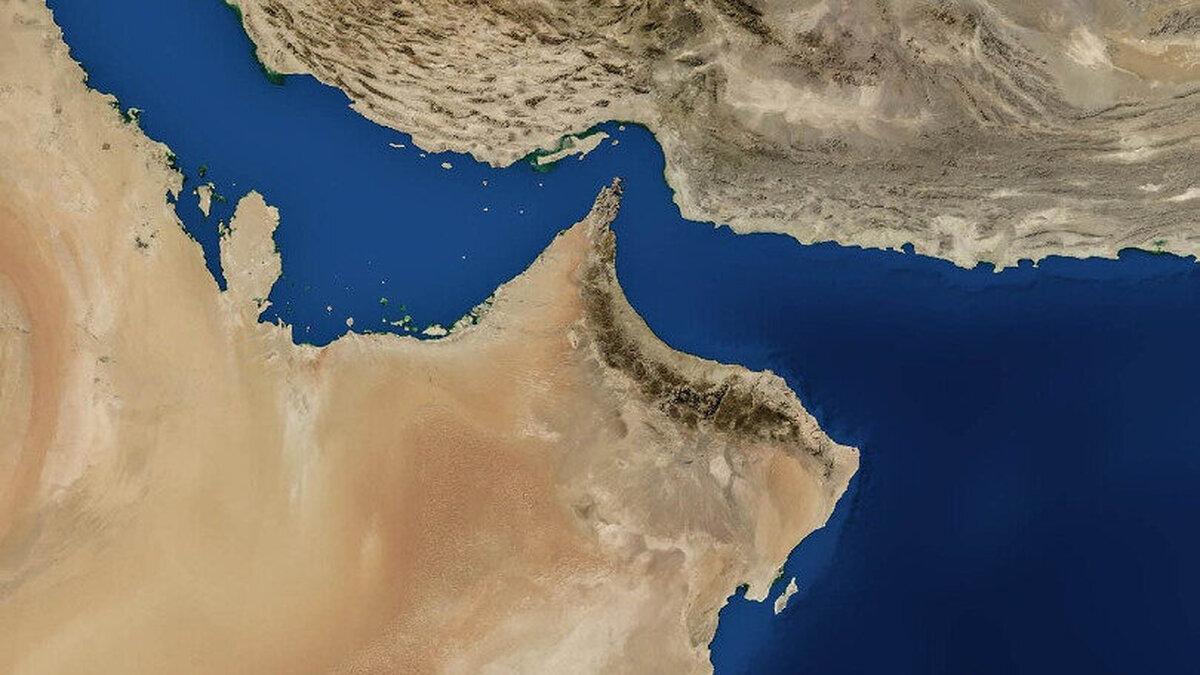
The pipeline lets Saudi Arabia export crude through the Red Sea and bypass the Strait of Hormuz, the narrow Gulf shipping lane at the center of the conflict. Attacks on Middle East energy infrastructure have continued while the diplomacy plays out.
Rubio's words on Sunday show how far apart the public positions remain: demands that were, in his phrase, "outrageous and ridiculous."