Herasight Embryo Test: Selecting Embryos for Future Happiness
US firm Herasight says its new embryo test can lower depression risk by more than 40 per cent. Critics say the marketing runs ahead of the science, and the claim raises questions over UK rules on genetic screening during IVF.
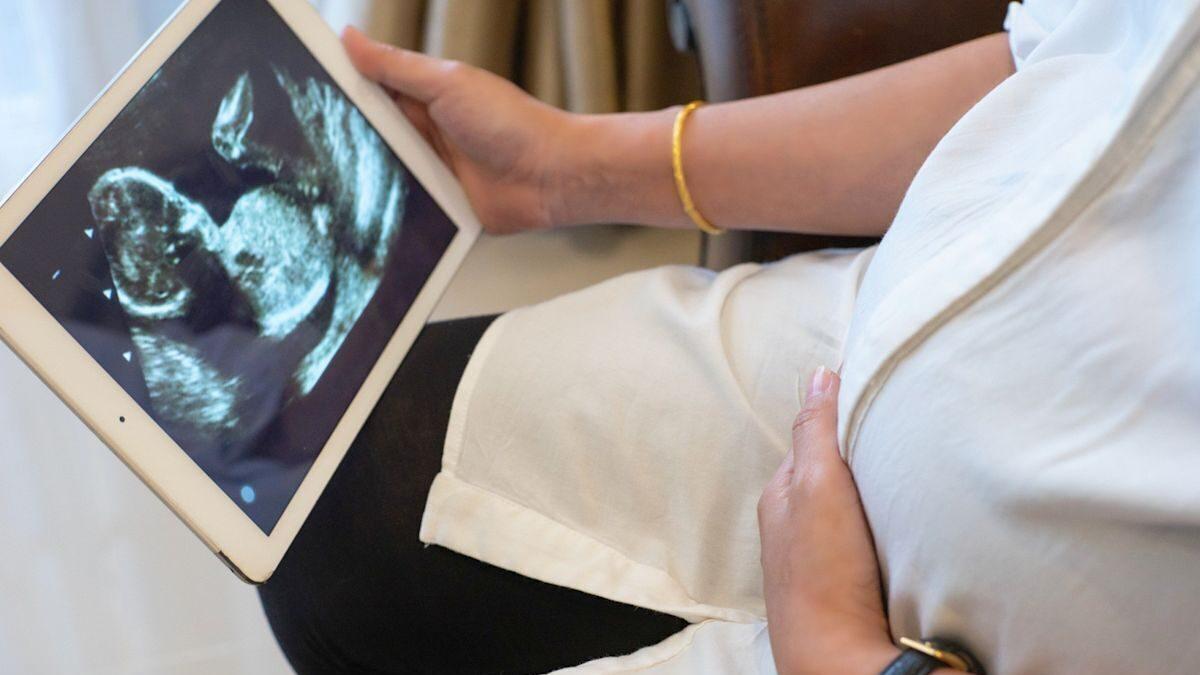
US firm Herasight has announced a genetic test for IVF embryos that it says can help parents pick the one least likely to develop depression. The pitch of selecting embryos for future happiness has drawn sharp criticism from a doctor and from users on X.
Herasight specializes in pre-implantation genetic testing, which screens embryos before they are implanted. Co-founder Tobias Wolfram unveiled the product, called MDD-PGT, in a post on X. MDD stands for Major Depressive Disorder.
"Every parent wants a happy child," Wolfram wrote. "So we built MDD-PGT, the first genetic predictor of depression for embryo screening." He added that children with a lower score "tend to sleep better, fight less and enjoy jokes more."
His headline figure: with 10 embryos, picking the lowest-risk one "cuts depression risk by over 40 per cent."
UK rules and the loophole
Herasight also scores embryos for traits such as above-average height and intelligence. That practice is not permitted in the UK, where embryo testing is limited to a list of serious genetic conditions, including Huntington's disease and cystic fibrosis.
Couples in the UK have nonetheless been able to demand their embryos' raw genetic data. They can send it to US firms such as Herasight for polygenic analysis, which combines many small genetic signals into one score. They can then choose the top-scoring embryo for implantation in Britain.
Herasight charges $50,000 for the service. One British customer said it "seems the best bang for your buck; it's less per year than private school."
Doctor questions the claims
A doctor with deep knowledge of the field, speaking to the writer of a Telegraph column, drew a line between finding genetic variants linked to depression and promising happier children. "Claiming that selecting embryos on this basis will produce happier children who sleep better, quarrel less and enjoy jokes more is quite another," he said.
He called the marketing "running well ahead of the science" and pointed to "disturbing eugenic implications." He also said it is unknown "whether the genetic variants associated with depression influence other characteristics," so selecting against one trait "might have unintended consequences for other traits."
Online, one user mocked the pitch by ordering a baby who could never be unhappy or even cry. Wolfram replied: "Sorry, that's not how this works."
The debate also touches the most common form of embryo and prenatal screening in the UK and US, which looks for Down's syndrome. A 2011 paper in the American Journal of Medical Genetics, "Self-perceptions from people with Down Syndrome," surveyed hundreds of people with the condition aged 12 and above. It found "nearly 99 per cent of people with DS indicated that they were happy with their lives, 97 per cent liked who they were."