Digger Box Office Collapses, Projected Loss Hits $245 Million
Digger, the satirical film starring Tom Cruise, is projected to lose about $245 million after its second-weekend takings fell 60%. Its global box office is now projected at around $50 million, far below its estimated break-even, while The Other Mommy led the North American box office and The Social Reckoning opened weakly.
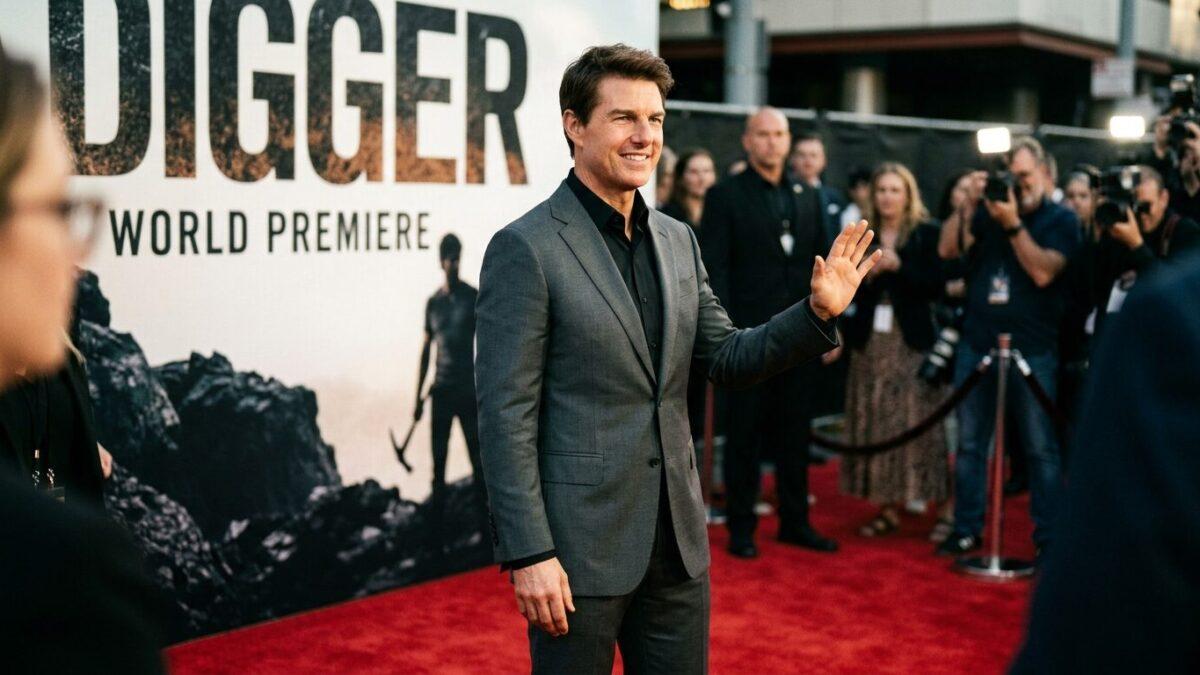
Digger’s box office fell sharply in its second weekend, pushing the estimated loss on the Tom Cruise film to about $245 million (£185 million). North American ticket sales dropped 60% from the opening weekend, while global takings so far stand at $35.3 million.
The environmental satire, directed by Alejandro G Iñárritu, is projected to finish its theatrical run with about $50 million worldwide. That is far from its estimated break-even, which Variety puts at around $350 million; a Warner Bros spokesperson said the break-even figure is $300 million.
Digger falls far short of its costs
As cited, Digger took about $3.2 million in North America in its second weekend, down from $8 million on opening. Its domestic total is now $14.4 million, with a global total of $35.3 million.
The gap remains wide. Variety estimates the film needs about $350 million to cover its costs, taking into account the share of ticket sales kept by theaters. Warner Bros pushed back on that figure in a limited way: a studio spokesperson put the break-even at $300 million.
Digger’s production budget is estimated to have swollen to $160 million-$180 million, well above the original $125 million budget. The studio also spent $100 million on marketing. Variety reported that about $15 million may have been set aside for awards-season promotion, but that spending is likely to be cut after the film’s disappointing performance.
The projected scale of the loss would put Digger alongside a number of major box office failures. The Guardian compared it with Cutthroat Island, which lost $222 million after inflation adjustment, Mortal Engines at $224 million adjusted, and The Marvels at $205 million-$250 million adjusted.
Critics and audiences split
Divided reviews are part of the film’s story. The Guardian critic Peter Bradshaw called Digger “an exasperatingly shallow, laborious, self-congratulatory satire” in a two-star review. But Sian Cain, deputy culture editor of Guardian Australia, called it “a masterpiece”.
Warner Bros tried to capitalize on the debate with an ad campaign after the film’s release. The promotional material quoted negative reviews and, invited audiences to “decide for yourself”. The move appears not to have changed the pace of ticket sales.
For the studio, the problem is not just the number of tickets sold. Variety reported that box office takings also affect follow-on deals for television and streaming. In Digger’s case, cost recovery is also expected to take longer because Tom Cruise’s deal gives him a percentage of revenue before the studio recoups its production costs.
The effect is felt in Warner Bros’ strategy: big-budget original films like Digger carry large risks when audiences do not turn out in the numbers needed. The film is also the studio’s last standalone release before its takeover by Paramount. The Guardian described 2026 as a disappointing year for Warner Bros, after releases such as Supergirl and The Bride! performed poorly.
Other films also start weakly
The Social Reckoning, a sequel directed by Aaron Sorkin, took $5.5 million in North America on its opening weekend and about $9 million globally, according to Variety and the BBC. The film stars Jeremy Strong as Facebook founder Mark Zuckerberg and Mikey Madison as whistleblower Frances Haugen.
However, that film was not the North American box office leader. The Other Mommy, a horror film starring Jessica Chastain, took about $27.5 million in North America and $45.2 million globally. Variety also reported an opening figure of $27.5 million for the film.
Tom Cruise said last week that he “never thought of movies when I'm making them [in terms of] opening weekend,” and focuses more on making films that “hopefully will translate, last and evolve,” according to the BBC.