Oil Prices Climb as Middle East Attacks Disrupt Supply
Brent crude futures for January delivery traded around $96 a barrel after a fresh wave of attacks in the Middle East. The benchmark was on track for its first weekly gain of the month, while oil flows through the Strait of Hormuz remained below their pre-war level.
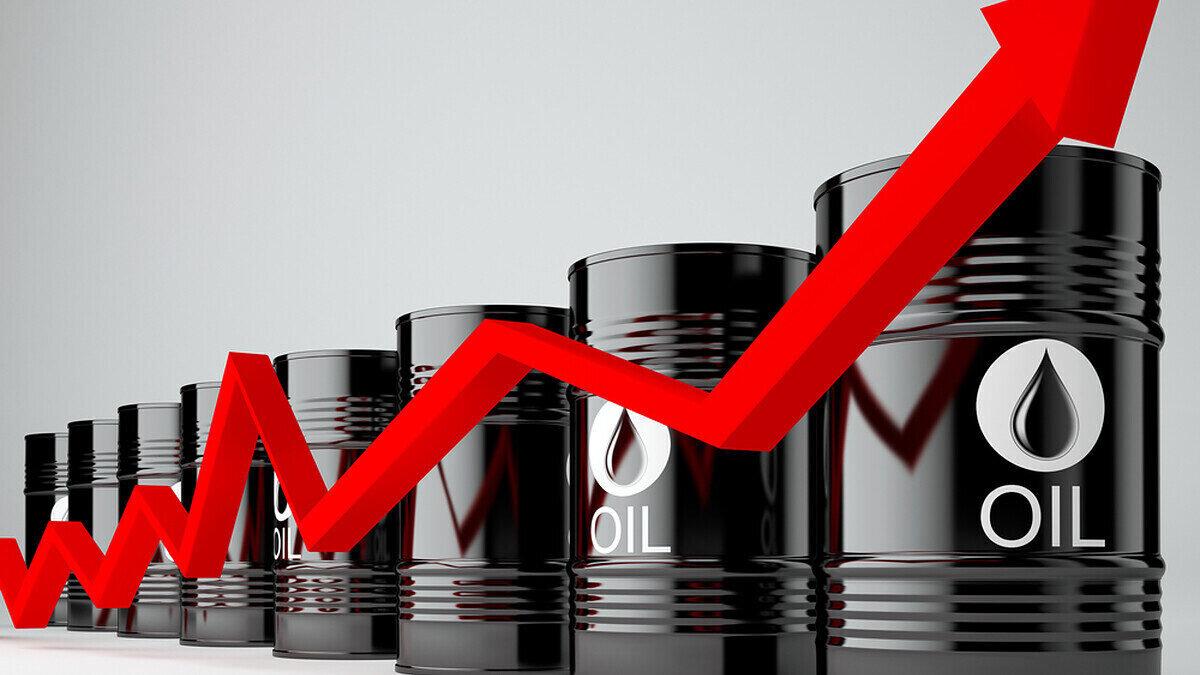
Brent crude futures for January delivery climbed to around $96 a barrel as renewed attacks in the Middle East interrupted a weeks-long decline. The global benchmark was on track for its first weekly gain of the month, with oil flows through the Strait of Hormuz below their pre-war level.
Brent had risen around 3.5% for the week. It had dipped below $90 earlier in the week and remained well below the highs of near $120 reached at points during the war with Iran.
US-traded West Texas Intermediate futures rose 1% to around $84.50. The continuous Brent contract, another closely watched measure, traded around $92.
The higher price for the January contract points to stronger demand for near-term crude supplies as refiners work to secure barrels.
Attacks Hit Regional Facilities
Yemen’s Houthi rebels claimed to have struck Saudi Arabia’s largest oil refinery at Ras Tanura. A projectile struck a refinery in the southwestern Jazan region the following day, killing a Nepalese worker.
The Jazan strike sparked a fire and temporarily suspended some operations, Saudi Arabia’s Ministry of Energy said.
A suspected Iranian drone attack on a Kuwaiti military site killed two Italian nationals, Italy’s foreign minister, Antonio Tajani, said. They were technicians employed by defense firm Rheinmetall Italia.
A Kuwaiti national and a Pakistani national were also wounded, Kuwait’s defense ministry said. Iran denied carrying out the attack.
A skyscraper housing the headquarters of Saudi Arabia’s sovereign wealth fund was also hit in the capital, Riyadh. It was the second strike on the building in a matter of days, and 11 people were wounded, according to an eyewitness and Saudi authorities.
Hormuz Flows Stay Below Pre-War Levels
Oil flows through the Strait of Hormuz were at 55% of their pre-war level in the week to November 25, preliminary data from Kpler showed. Iran has continued to strike tankers transiting the strait.
Oil prices had fallen for weeks as US President Donald Trump held back from escalating military action in the Middle East after the midterms. Flows from the region had also picked up despite attacks on tankers, while global oil consumption fell dramatically.
The Organization of the Petroleum Exporting Countries and its allies, known as OPEC+, are set to meet. The group sets production quotas for members and has held output steady since September, after six consecutive increases.
ING analysts said the group was expected to consider keeping current production quotas unchanged through January, although some members had pushed for higher quotas.
 Take the quizWhat Kind of Holiday Spender Are You? Take the Black Friday QuizStart →
- 1Qualcomm stock climbs to $168.66 as chipmaker sets $500 target for CEO

- 2Sandisk shares jump nearly 16% to $85.36 after Kioxia-Nvidia test

- 3Tesla shares jump 4.86% to $398.60 after German robotics filing

- 4Apple shares edge up to $355.58 as AI selloff spares iPhone maker

- 5Nasdaq Composite rises nearly 2% as tech rebound eases AI fears

 Business · Macro & PolicyFull Retirement Age Chart: Social Security Ages by Birth Year Explained
 Lifestyle · Food & HealthWhat Is a GLP-1 Receptor Agonist? How It Works, Uses and Side Effects
 LifestylePeople Who Cover Their Laptop and Water Bottle in Stickers Often Share These 6 Traits
 LifestyleWhat Constantly Shaking Your Leg While Sitting Says About You, Psychologists Explain