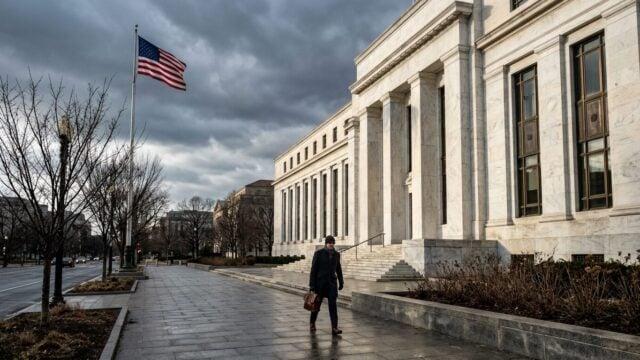
Bank of England Proposes Capital Cut to Free £100 Billion
The Bank of England has proposed easing capital requirements for UK lenders, a change it estimates could free about £100 billion in lending capacity. The central bank warned that deeper reductions could weaken banks’ ability to absorb financial shocks and put long-term economic growth at risk.
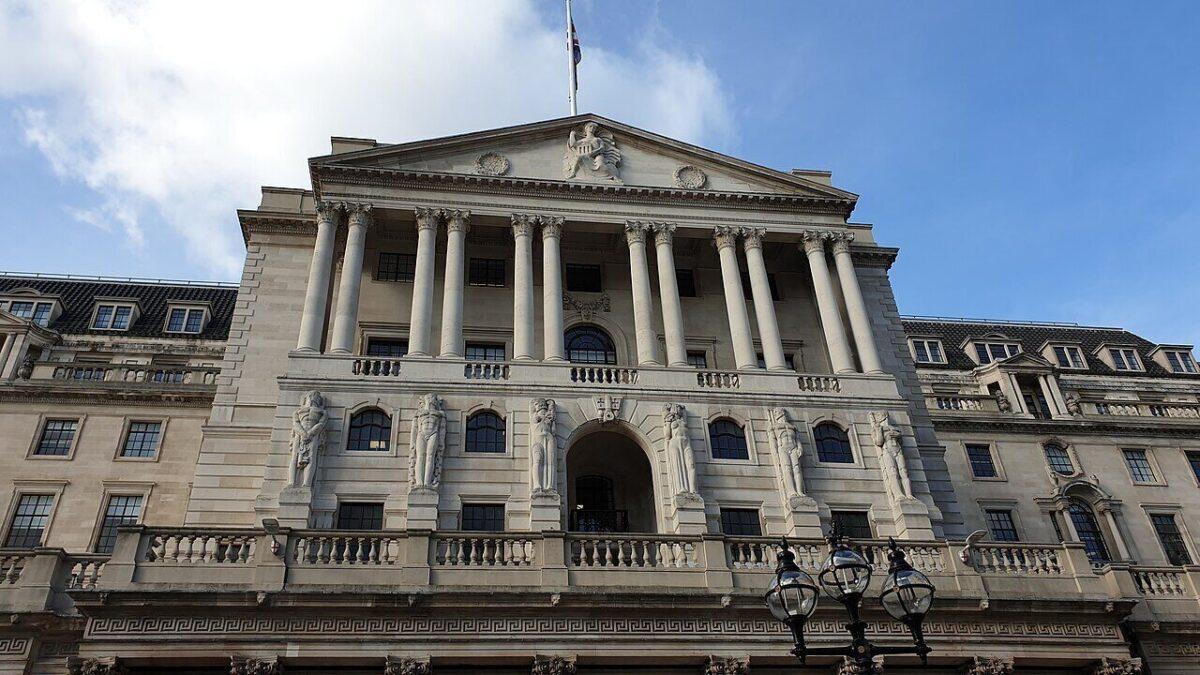
The Bank of England has proposed cutting UK lenders’ capital requirements by another 30 basis points, or 0.3 percentage points. It estimates the change could free about £100 billion in lending capacity, while warning that deeper cuts could threaten financial stability.
The proposal forms part of the central bank’s review of its bank capital framework, announced in its twice-yearly financial stability update.
The Bank plans to change additional requirements known as Pillar 2A. The benefits will vary by bank. Lenders focused on the domestic market will see a 60 basis point reduction in Tier 1 requirements.
Tier 1 capital is a measure of banks’ core financial strength. The Bank said officials will consult on the details early next year.
The central bank also plans to consult on previously announced changes to the leverage ratio, a cap on banks’ total borrowings. Officials said the combined changes would bring system-wide requirements into line with an earlier cut to benchmark capital.
The Bank announced that 100 basis point cut almost a year ago. Lenders have grown impatient for their actual requirements to fall to the new 13% Tier 1 level.
Chancellor John Healey had called on officials to go further after an increase in the government’s bank tax angered lenders.
Banking lobby group UK Finance sought a larger overhaul of domestic lending charges. It argued that its proposed changes would release £250 billion, even if banks returned half the capital freed up to shareholders.
Lloyds, NatWest, HSBC and Barclays would have benefited most under the group’s proposal.
Regulators rejected another approach backed by banks: reducing the neutral level of the countercyclical buffer, a capital reserve, from its current 2% setting.
The Bank’s Financial Policy Committee warned that cuts beyond those it set out would put long-term growth at risk. It said weaker requirements would undermine banks’ ability to absorb shocks.
“Materially lower UK capital requirements would also risk undermining international standards intended to promote financial stability and a level playing field,” the committee said in minutes of its meeting.
The Bank also warned of risks from “increasingly complex, circular and opaque” artificial intelligence financing. Officials said higher interest rates and costs were eroding some households’ financial headroom and adding pressure on government debt sustainability.
Sovereign bond yields remain elevated, the Bank said, and markets continue to price in further monetary policy uncertainty.
 Take the quizWhat Kind of Holiday Spender Are You? Take the Black Friday QuizStart →
- 1Qualcomm shares rise to $168.66 as chipmaker bucks wider tech selloff

- 2Meta Platforms shares rise 2.5% as AI loan and Amazon talks draw focus

- 3Broadcom shares edge down as late rebound trims early AI selloff

- 4Alphabet stock slides to $270 as credit concerns deepen

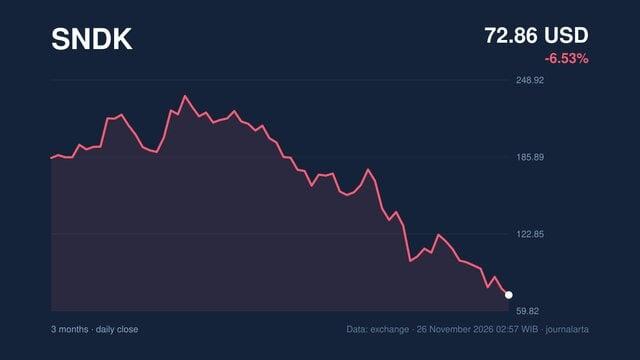
- 5Sandisk stock slides as memory supply fears hit AI trade
 Lifestyle · Food & HealthNormal Blood Sugar Levels: A1C, Fasting and After-Meal Ranges Explained
 Lifestyle · Food & HealthNorovirus Symptoms: How Long It Lasts and When You Stop Being Contagious
 Lifestyle · Food & HealthCold vs Flu vs RSV: How to Tell the Difference by Symptoms, Speed and Duration
 LifestyleWhy Do Long Lines Make People Curious? 5 Reasons We Join the Crowd