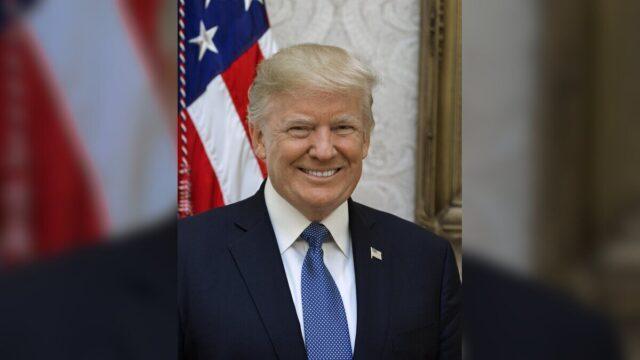
Trump and Xi Meet in Shenzhen as New US Chip Curbs Strain Truce
Donald Trump and Xi Jinping met for the third time this year in Shenzhen, but new US chip licensing rules and the Jensen Huang scandal hang over a fragile trade truce that expires January 10. Beijing has threatened countermeasures.
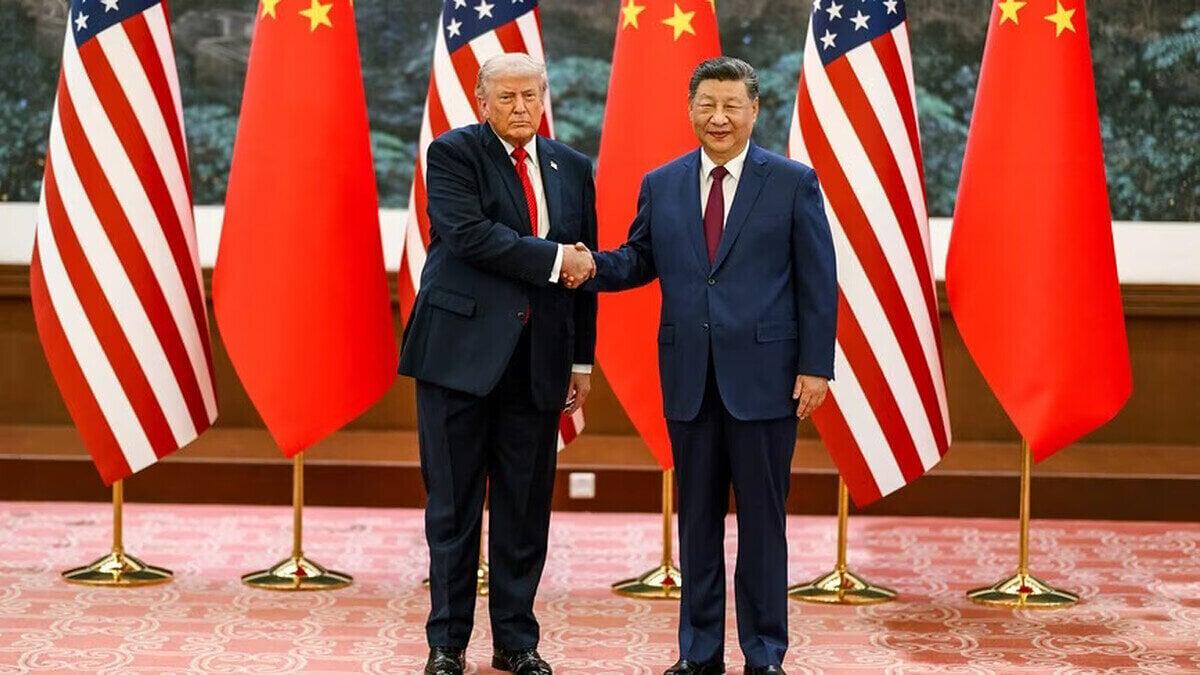
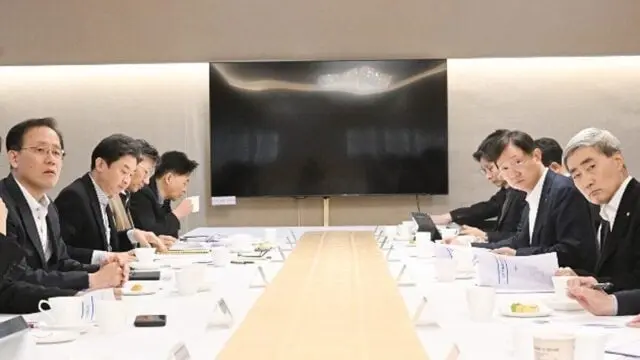
US President Donald Trump and Chinese leader Xi Jinping met in Shenzhen on the sidelines of the Asia-Pacific Economic Cooperation forum, days after Washington announced new curbs on chip exports to China. It was the third meeting between them this year, and the latest tech news to strain a fragile trade truce.
Neither leader appeared keen to raise the dispute in public. The Commerce Department issued new licensing requirements two days before Trump landed, aimed at further cutting Chinese access to advanced US chips.
China's Ministry of Foreign Affairs called the restrictions "a typical case of economic coercion." The Ministry of Commerce warned a day before the meeting: "If the US insists on this direction, China will take countermeasures and firmly safeguard its national sovereignty, security and development interests."
Nvidia scandal adds pressure
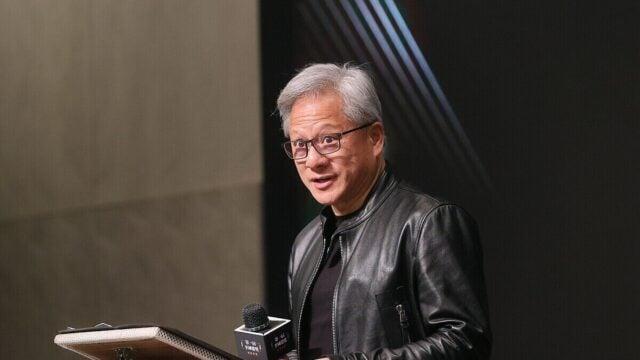
The rules landed amid allegations that Jensen Huang, who until recently led the $4 trillion chip maker Nvidia, had an affair with a woman suspected of working with Chinese intelligence. Chinese officials have called the claims baseless attempts to smear China.
Huang has stepped down. In a Fox News interview, Trump said he raised Huang briefly with Xi and lamented the "tragedy" of the Nvidia co-founder leaving.
"With the fallout of Nvidia and these new export control rules landing just before the summit, I think the uneasy truce between the US and China is even more fragile," said Benjamin Kostrzewa, a Hong Kong-based partner at the law firm Hogan Lovells Cadwalader.
At the summit, the US, China and Russia said they discussed the need to develop artificial intelligence safely. There was otherwise little concrete progress on trade or technology cooperation.
Truce expires January 10
When Trump and Xi met in Washington in September, they extended a trade agreement first reached in October 2025. It rolled back US tariffs in exchange for Chinese pledges to buy more US farm goods and loosen rare earth export limits.
The two-month extension expires January 10. Officials said it would let them judge whether China could ease US concerns that it was falling short of its pledges.
Jyh-An Lee, a law professor at The Chinese University of Hong Kong, said the Huang affair has deepened national security suspicions. "It's not that easy to go back to the time before the Jensen Huang incident," he said.
Han Lin, China country director at the consulting firm The Asia Group, said Beijing "has to retaliate." He expects subtle moves, though, to protect stability before next year's Communist Party Congress, where Xi is expected to seek another five-year term.
China's strongest lever is rare earths. Its exports of them to the US remain about 75% below pre-restriction levels, according to the Center for Strategic and International Studies. "China can hit back, and they can hit back hard," Lin said.
Democrats take control of the House and Senate in January after their midterm victories. They have also called for tougher tech export controls.
Trump and Xi are due to meet again at the G20 Leaders' Summit in December. "You have one final chance in G20," Lin said of US firms with requests for Beijing.
 Take the quizWhat Kind of Holiday Spender Are You? Take the Black Friday QuizStart →

 Markets · FintechHow to Calculate Compound Interest: Formula, Examples and the Rule of 72
 Lifestyle · Food & HealthNormal Blood Pressure Chart by Age: Healthy Ranges Explained
 Lifestyle · Food & HealthWhat Is Raynaud’s Syndrome? Why Fingers Turn White in the Cold
 Lifestyle · Food & Health4 Ways Walking After Meals Helps Your Body, Doctors Say