Nasdaq Falls Near 19% as Options Trader Eyes Amazon Strangle
The Nasdaq Composite is down nearly 19% from its recent high and the VIX touched 40 on Friday. Mike Khouw sees elevated options premiums on Amazon, which is off 14%, and outlines a December strangle trade that pays a $5.90 credit per share.
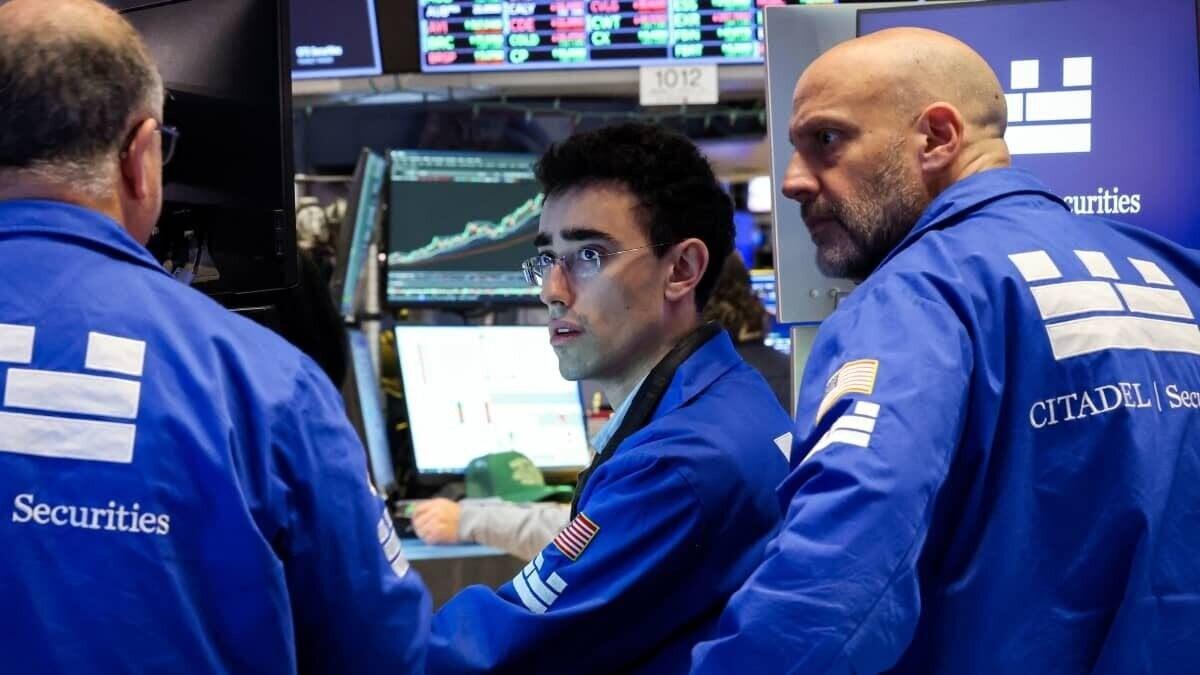
The Nasdaq Composite is down nearly 19% from its recent high, and the VIX volatility index touched 40 on Friday. During this Nasdaq freefall, here's one stock an options strategist is watching: Amazon, which has fallen only 14% from its recent highs.
Mike Khouw, a CNBC Pro contributor, is looking at short premium strategies on the company. A high VIX means options premiums are elevated, which lets traders collect more by selling them.
Why Amazon holds up better
Amazon's cloud unit is growing at its fastest pace in nearly five years. Revenue at Amazon Web Services rose 39.3% year over year in the third quarter, and management reported a $578 billion backlog.
Trailing 12-month operating cash flow rose 29% to $168.3 billion. Infrastructure spending also accelerated, leaving more than $42 billion in negative cash flow.
Khouw argues those opposing forces could keep the stock in its range over the next four weeks. The backlog supports the lower end, while heavy cash spending could limit any rerating higher. He said the next leg up may require evidence that new capacity earns attractive returns at this scale, and that such evidence may be scarce in coming months.
The proposed December trade
Khouw suggests selling the December 18, 2026 strangle: a $235 put and a $285 call, for an indicative $5.90 credit per share. The strikes sit near the respective second-half 2026 highs and lows.
Maximum reward is $590 per strangle if Amazon finishes between $235 and $285 at expiration, before fees. Breakevens are $229.10 and $290.90, near the July lows and above the August highs.
Risk on the uncovered call is unlimited. Khouw describes it as risking getting short at a net price above $290, a nearly 13% premium to the closing price. The downside loss would reach $22,910 per strangle if Amazon fell to zero.
The credit is roughly 2.3% of a $260 reference share price over four weeks, or nearly 30% on a simple annualized basis. Actual return on capital depends on margin and the cost to close the trade.
Amazon's next earnings report is expected in early February, after the December expiration, though holiday sales updates could still move the shares. Tidal, Khouw's firm, owns the securities mentioned. CNBC says contributors' views are their own and not investment advice.
 Take the quizWhat Kind of Holiday Spender Are You? Take the Black Friday QuizStart →




 Markets · FintechHow to Calculate Compound Interest: Formula, Examples and the Rule of 72
 Lifestyle · Food & HealthNormal Blood Pressure Chart by Age: Healthy Ranges Explained
 Lifestyle · Food & HealthWhat Is Raynaud’s Syndrome? Why Fingers Turn White in the Cold
 Lifestyle · Food & Health4 Ways Walking After Meals Helps Your Body, Doctors Say