Northern Line Upgrades Open Driver Jobs to Color-Blind Staff
London’s Northern line has opened train-driving jobs to people with color vision deficiency after changes to depot signals and safety equipment. Two drivers with the condition now work on the line, while Transport for London hopes to make similar changes across the network.
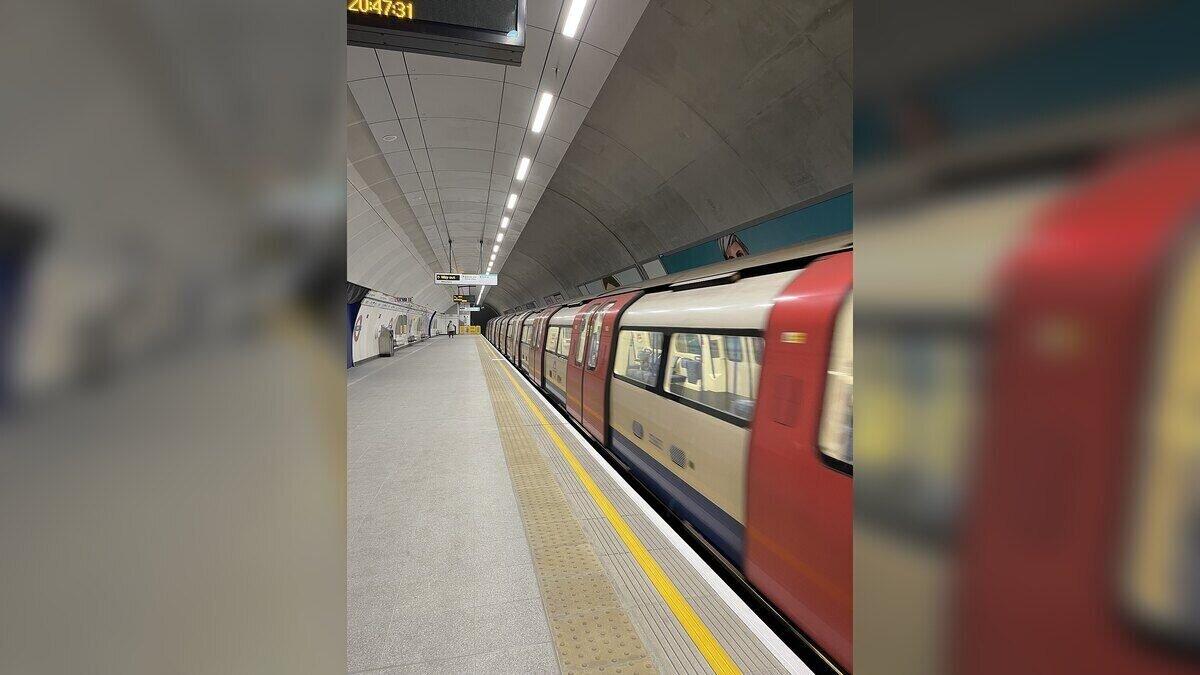
London’s Northern line upgrades have opened train-driving jobs to people with color vision deficiency. Two drivers with the condition now work on the line after Transport for London changed depot signals and safety equipment. The changes expand opportunities beyond the Jubilee line, where 19 drivers with the condition are employed.
One of the Northern line’s drivers is Osman Hassan. After working for Transport for London for many years, he became a Tube driver a few months ago.
“I love my job,” Hassan said. “I love the responsibility of getting people in London safely from A to B and the interaction I have with the public.”
Color vision deficiency, commonly known as color blindness, affects around three million people in the UK. Around one in 12 men and one in 200 women have the condition.
London Underground has historically relied on red and green signals. For safety reasons, that meant people with the condition could not drive trains on most of the network.
Signals and safety equipment changed
Transport for London replaced red and green flags at the Northern line’s main depot in Morden with a white light. It also added numerical codes to safety ladders, which drivers use to help passengers evacuate if a train stalls.
Most of the Northern line’s red and green signals had already been replaced with a digital system in 2014. The flags and color-coded ladders remained safety barriers for prospective drivers with color vision deficiency.
Joe Brown, a strategy and change manager at Transport for London, helped lead the upgrade. He said line managers, drivers, unions and safety staff worked together on the changes.
Hassan said he hopes the changes encourage other employers to consider how they can help staff with the condition.
More lines adapted for drivers
The Jubilee line became the first line where drivers with color vision deficiency could work in 2018. Until the Northern line changes, prospective drivers with the condition had to wait for a vacancy there.
Brown said the Jubilee line replaced red and green signals with automated signals in 2011. A cable along the tracks carries a digital signal to the driver’s cab, where a monitor indicates when it is safe to proceed.
A driver later told Brown that his brother worked at stations and wanted to drive trains. The rules prevented him from doing so because he had color vision deficiency.
Brown said a safety assessment took about a year and showed that drivers with the condition could be accommodated on the Jubilee line.
The Hammersmith and City line and the Circle line have also been fully upgraded to allow drivers with color vision deficiency. Transport for London hopes to introduce the changes on every line over the long term.
 Take the quizWhat Kind of Holiday Spender Are You? Take the Black Friday QuizStart →





 Lifestyle · Food & HealthNormal Blood Pressure Chart by Age: Healthy Ranges Explained
 Lifestyle · Food & HealthWhat Is Raynaud’s Syndrome? Why Fingers Turn White in the Cold
 Lifestyle · Food & Health4 Ways Walking After Meals Helps Your Body, Doctors Say
 Lifestyle · Food & Health4 Reasons to Eat Oatmeal, According to Nutrition Experts