Trump Backs $1.5 Trillion Social Security Plan, Cassidy Says
Senator Bill Cassidy says President Donald Trump has committed to supporting his $1.5 trillion Social Security proposal. The plan would borrow federal money for a separate investment fund, but researchers have questioned whether its returns would cover the borrowing.
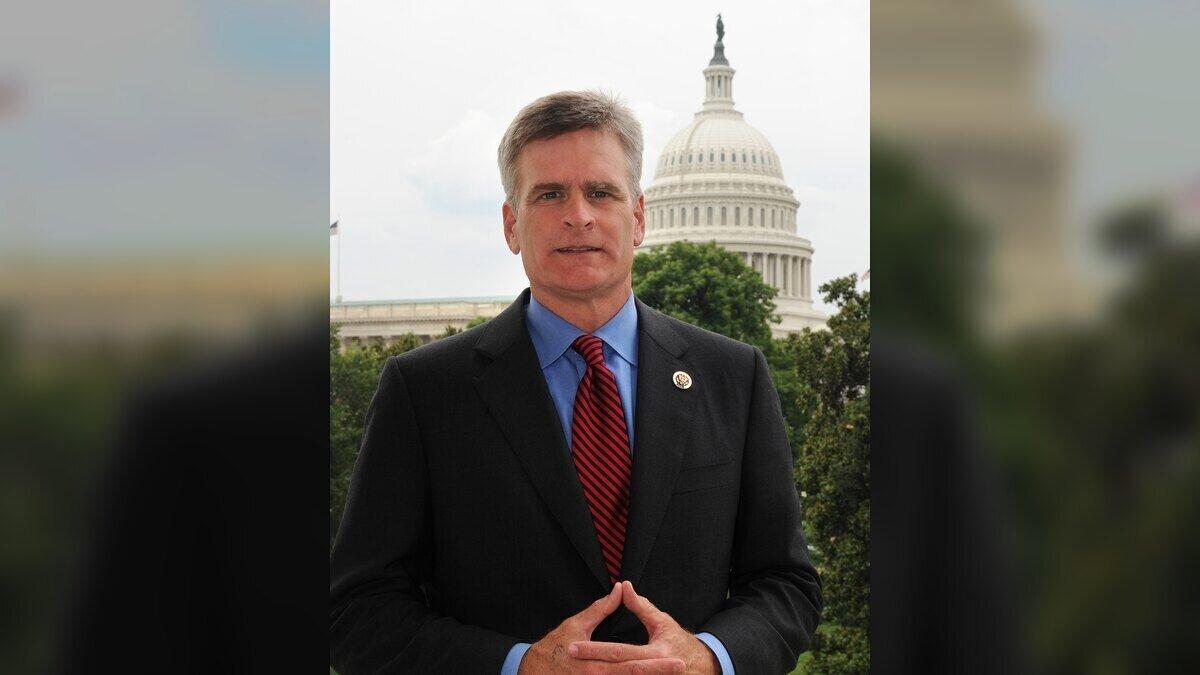
US Senator Bill Cassidy says President Donald Trump has committed to supporting his $1.5 trillion Social Security proposal in Congress. The Louisiana Republican’s plan would borrow federal money to create an investment fund separate from Social Security’s existing trust funds.
Cassidy says the fund could help preserve promised benefits. Congressional approval is not assured.
The proposal matters to current and future beneficiaries, including retirees and people with disabilities. Cassidy has said it is designed to pay promised benefits without direct cuts.
“The president actually has given me personal commitment that he would support it, and his administration has been very helpful,” Cassidy said. He said Democrats also support the bill.
Benefits face a funding shortfall
The 2026 trustees’ projections show the Old-Age and Survivors Insurance Trust Fund can pay full scheduled benefits until the fourth quarter of 2032. After that, continuing income would cover 78 percent of scheduled benefits.
Cassidy has warned that waiting to address the shortfall could force harder decisions about taxes or lower benefits.
His approach would add a source of financing rather than placing the entire shortfall on higher payroll taxes or benefit cuts. He has said people would receive their promised benefits, with the investment fund bearing the risk.
Borrowed money would fund investments
The government would borrow $1.5 trillion for the separate fund, then invest it in the broader economy. Cassidy has described building the fund over five years, with roughly $250 billion contributed annually.
The proposal would include higher-return assets, rather than relying solely on the special Treasury securities traditionally held by Social Security. Cassidy says the investments would grow over six decades.
He says the gains could cover up to 70 percent of Social Security’s unfunded obligations. He has pointed to investments in the federal railroad retirement system as evidence that government retirement assets can be invested in private markets.
Researchers question investment returns
Researchers at the Center for Retirement Research at Boston College have questioned whether returns would be high and reliable enough. They ran 10,000 simulations of the proposed fund.
The fund failed to repay its borrowing 64 percent of the time under optimistic return assumptions, the researchers said. Under realistic assumptions, it failed 83 percent of the time.
Kevin Thompson, CEO of 9i Capital Group, said the plan depends on investment returns exceeding borrowing costs. He warned that more borrowing could increase deficits and potentially inflation, while transferring investment risk to future taxpayers.
Cassidy says he believes the proposal has a path to 60 votes in the Senate, passage in the House and a presidential signature. Congress would still need to approve it.
 Take the quizWhat Kind of Holiday Spender Are You? Take the Black Friday QuizStart →
- 1Qualcomm stock climbs to $168.66 as chipmaker sets $500 target for CEO

- 2Sandisk shares jump nearly 16% to $85.36 after Kioxia-Nvidia test

- 3Tesla shares jump 4.86% to $398.60 after German robotics filing

- 4Apple shares edge up to $355.58 as AI selloff spares iPhone maker

- 5Nasdaq Composite rises nearly 2% as tech rebound eases AI fears

 LifestylePeople Who Cover Their Laptop and Water Bottle in Stickers Often Share These 6 Traits
 LifestyleWhat Constantly Shaking Your Leg While Sitting Says About You, Psychologists Explain
 Lifestyle · Food & HealthNormal Blood Sugar Levels: A1C, Fasting and After-Meal Ranges Explained
 Lifestyle · Food & HealthNorovirus Symptoms: How Long It Lasts and When You Stop Being Contagious