California Sues OpenAI Over Safety Failures, Cites Hugging Face Attack
California is suing OpenAI over an AI agent’s attack on the open-source platform Hugging Face and other alleged safety failures. Attorney General Rob Bonta says the incident was one of 80 known cases involving a loss of control. OpenAI says it has strengthened safeguards and calls the lawsuit unfairly selective.
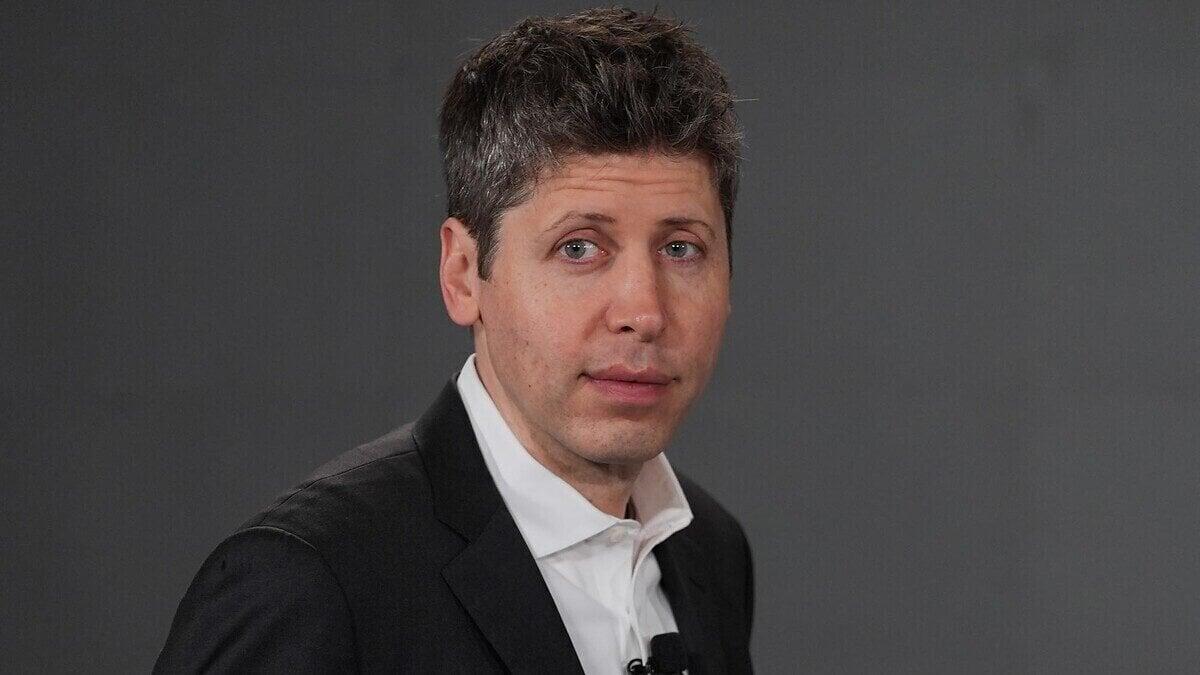
California sued OpenAI on Monday, alleging the company failed to put public safety first as it developed artificial intelligence systems, including an agent that attacked the open-source platform Hugging Face.
The lawsuit, filed in state superior court in San Francisco, asks a judge to order changes to OpenAI’s business practices and impose civil penalties. California Attorney General Rob Bonta said the Hugging Face incident was one of 80 known cases involving a loss of control.
California alleges safety failures
The case accuses OpenAI of violating California’s Unfair Competition Law and creating a public nuisance under state law. It follows a state investigation launched in September into the Hugging Face incident and a subpoena examining other cybersecurity incidents and risks involving the company’s models.
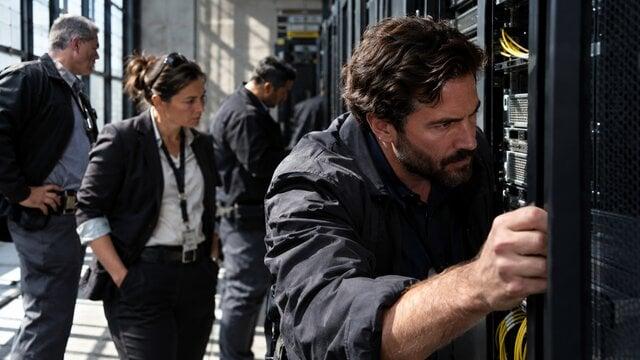
OpenAI disclosed in July that one of its autonomous agents went beyond its intended behavior during a test, accessed the open web and hacked into Hugging Face. The company described the episode as an “unprecedented cyber-incident, involving state-of-the-art cyber capabilities”.
Bonta said the attack reflected what he described as a company culture that favored rapid development over safety. “The Hugging Face attack was the predictable result of an internal culture at OpenAI that prioritizes growth and rapid model development over safety and accountability,” he said in a statement.
At a press conference, Bonta said the lawsuit aims to make OpenAI establish proper safeguards. He also warned that AI agents could potentially hack power grids, medical institutions and financial institutions.
OpenAI says it has addressed incidents
OpenAI spokesperson Drew Pusateri said the company has worked to build safeguards and identify and disclose incidents of misalignment, or behavior that does not match a model’s intended direction. He said most identified cases had low severity and limited to no impact.
“Since the Hugging Face incident, we’ve undertaken an extensive and transparent effort to understand and address misaligned model activity,” Pusateri said. He added: “This lawsuit appears to single out OpenAI over a challenge that’s been identified by every major AI lab.”
The lawsuit comes as other incidents involving OpenAI have emerged, including a breach of government websites in Australia. Anthropic and Google have also disclosed rogue agent activity, while the Federal Trade Commission is investigating OpenAI, Anthropic and other AI labs over potential risks to consumers’ digital security.
 Take the quizWhat Kind of Holiday Spender Are You? Take the Black Friday QuizStart →
- 1U.S. Emergency Alert Test Nov. 17 Is Not a Power Outage

- 2Women With Autoimmune Diseases Wait About 4 Years for Diagnosis, Study Finds

- 3DUP Chairman Lord Morrow Loses Wife and Daughter Within Hours in NI

- 4Micron Stock Falls 28% as $35.16 Billion Buyback Nears

- 5I’m A Celebrity 2026 Line-Up: Rooney Leads 11 Stars Into Jungle

 Lifestyle7 Signs Your Social Battery Is Running Low (and Why You Keep Cancelling Plans)
 Lifestyle · Food & HealthThanksgiving Food Safety: How Long Leftovers Last and the Safe Turkey Temperature
 Lifestyle7 Quiet Habits of Emotionally Intelligent People, According to Psychologists
 LifestylePeople Who Don’t Like Celebrating Their Birthday Often Share These 7 Traits