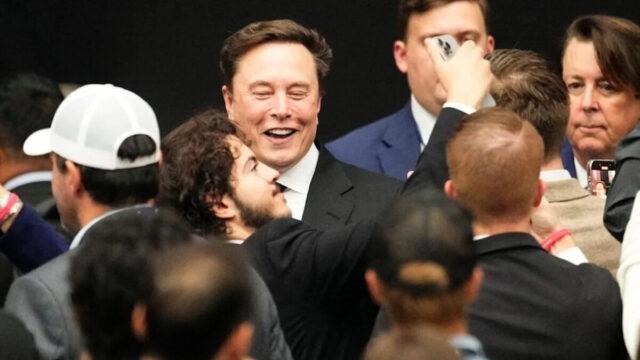
Mark Carney Wraps Philippines Talks as U.S. Auto Tariff Fight Drags
Canadian Prime Minister Mark Carney said Ottawa concluded talks on a free-trade pact with the Philippines, while U.S. tariff talks on autos continue and Canada's carmakers disagree on how hard to push Washington.
Canadian Prime Minister Mark Carney said Saturday, November 14, that Ottawa has concluded negotiations on a free-trade pact with the Philippines. The announcement came as Mark Carney's U.S. trade negotiations over tariffs on Canadian-made cars remain unresolved.
Carney spoke to reporters on the sidelines of a regional summit in Manila, where US President Donald Trump is expected to arrive later.
Asia deals, and a bet on diversifying
The Philippines deal is about six months from signing, Carney said. It will drop more than 90 per cent of tariff lines and cover areas from agriculture to aerospace to artificial intelligence, he said, without giving specifics.
Total trade between the two countries stood at about US$2.4 billion in 2025. Carney said he expects it to triple in the next decade.
He added that a wider agreement with the 11-member Association of Southeast Asian Nations (ASEAN) is "substantially concluded". It would be the bloc's first trade agreement outside Asia, he said.
Carney described the pacts as "part of a strategy of developing a dense web of reliable partners to create more opportunities ... and reducing our relative reliance on the United States". He has maintained that trade with the U.S. will not return to a pre-Trump normal.
His trip continues to Phnom Penh for a Francophonie summit, then to the Asia-Pacific Economic Cooperation meetings in Shenzhen, China. There he plans to meet Chinese leader Xi Jinping.
Carmakers split on the U.S. approach
At home, the auto sector is divided over how to deal with Washington. Talks between the two countries broke down over the summer but have regained momentum in recent weeks.
The Detroit Three automakers want a tariff deal soon that can be improved over time. Honda and Toyota want Ottawa to avoid locking in an uncompetitive tariff level. They back a tradeable import credit system that would reward companies that build more cars in Canada than they sell.
The Trump administration's 25-per-cent tariff on Canadian-made autos exempts the U.S. parts content of the vehicles. The industry typically exports nearly 90 per cent of its production to the United States. The value of passenger car and light truck exports to the U.S. fell nearly 12 per cent from 2024 to 2025, and 2026 is tracking lower.
In August, Washington offered to cut the headline rate to 15 per cent as part of a broader deal. The offer would not have extended relief to medium- and heavy-duty trucks. Many in the industry balked, and Carney walked away from the talks.
Commerce Secretary Howard Lutnick now leads the American side of informal discussions, replacing U.S. Trade Representative Jamieson Greer, according to three sources with knowledge of the talks. Canada's side is led by Canada-U.S. Trade Minister Dominic LeBlanc and chief trade negotiator Janice Charette.
Much of the haggling is over technical details, including how to define U.S. content. A broader definition that counted research and marketing costs would lower the effective tariff on Canadian cars.
"You want to get a [headline tariff] number as low as you can, and then work the process," said Steve Carlisle, former president of GM North America.
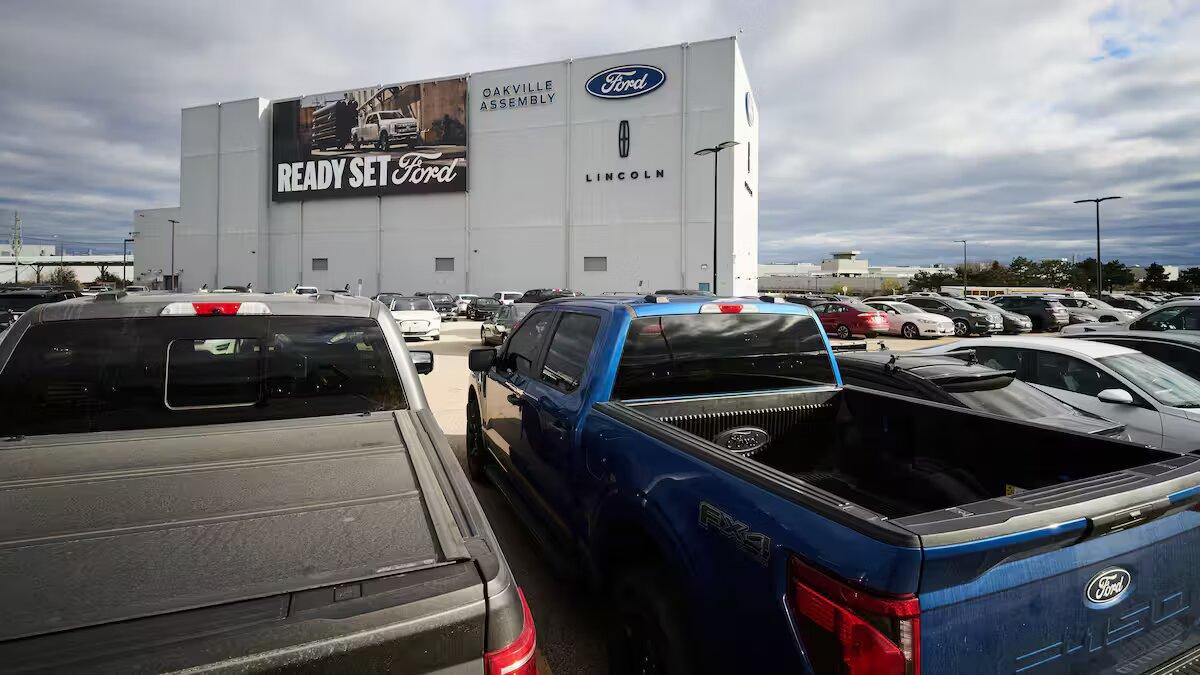
This week brought mixed signals for the sector. Ford reopened its Oakville, Ont., assembly plant and Honda said it is restarting engine production in Canada. Stellantis sold its idled Brampton, Ont., plant to armoured-vehicle maker Roshel Inc.
 Take the quizWhat Kind of Holiday Spender Are You? Take the Black Friday QuizStart →
- 1Qualcomm shares rise to $168.66 as chipmaker bucks wider tech selloff

- 2Meta Platforms shares rise 2.5% as AI loan and Amazon talks draw focus

- 3Broadcom shares edge down as late rebound trims early AI selloff

- 4Alphabet stock slides to $270 as credit concerns deepen

- 5Sandisk stock slides as memory supply fears hit AI trade
 Lifestyle · Food & HealthNormal Blood Sugar Levels: A1C, Fasting and After-Meal Ranges Explained
 Lifestyle · Food & HealthNorovirus Symptoms: How Long It Lasts and When You Stop Being Contagious
 Lifestyle · Food & HealthCold vs Flu vs RSV: How to Tell the Difference by Symptoms, Speed and Duration
 LifestyleWhy Do Long Lines Make People Curious? 5 Reasons We Join the Crowd