Jo Menneer: Cancer treatment brought menopause symptoms back
Jo Menneer says breast cancer surgery forced her to stop hormone replacement therapy, bringing back menopause symptoms while she recovered. She and another patient are calling for better information and ongoing support, while the UK government says its National Cancer Plan will include long-term treatment effects in personalized care.
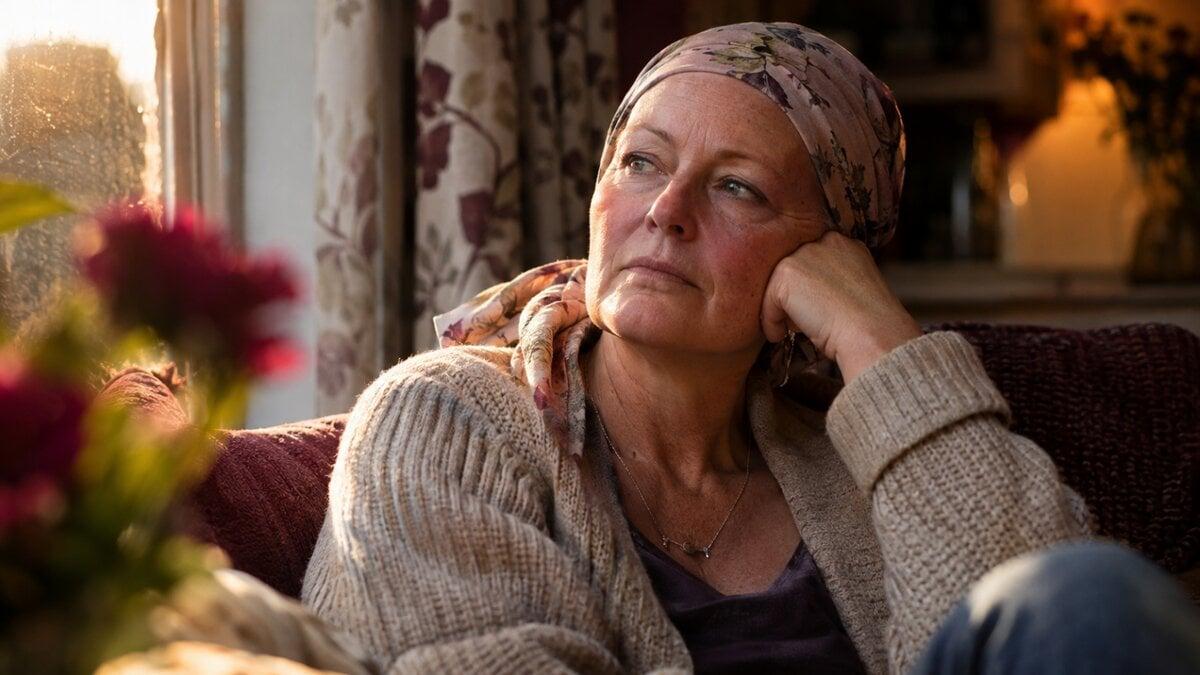
Jo Menneer says breast cancer treatment brought her menopause symptoms back almost immediately after surgery forced her to stop hormone replacement therapy, adding a difficult recovery for patients navigating cancer care.
Menneer, 55, from East Yorkshire, had used hormone replacement therapy (HRT) before her breast cancer diagnosis in 2022. She said she remains unable to take it.
“For me personally, my menopause symptoms came back with a vengeance almost immediately,” Menneer said.
She described coping with symptoms while recovering from surgery as “quite gruelling,” citing hot flashes, aching limbs, brain fog and changing emotions.
“I felt like I'd gone back about 10 years,” she said.
Menneer said the effect on her menopause had not been discussed before treatment. “I never in my life thought that it would impact my menopause and it was never discussed. So it was a bit of a shock.”
The UK Department of Health and Social Care said its National Cancer Plan would provide patients with personalized plans that recognize long-term effects, including menopause, and build them into ongoing care.
Menopause can begin earlier or progress faster after some cancer treatments, according to the NHS. Chemotherapy, pelvic radiotherapy, stem cell transplantation and surgery can trigger it temporarily or permanently.
Claire Hurst, who was already experiencing menopausal symptoms when diagnosed with breast cancer at 50, said medication during her treatment rapidly induced menopause.
“There is no gradual shift. There's no time to adjust,” Hurst said. “You are literally plummeted into the menopause.”
Hurst praised the oncology team's healthcare support but said she felt left to manage menopause on her own. “Nobody sits you down and says, 'by the way, this is going to be probably the toughest part of your journey'.”
Now 53, Hurst runs the Rebalance Clinic in Addingham, West Yorkshire, and works with women experiencing menopause, including those undergoing or recovering from breast cancer treatment. She said patients need better links between information and services.
“Post treatment, there [should be] some follow-on programme where you are able to access really good resources,” Hurst said.
Menneer volunteers with Menopause and Cancer and helps run a support group in York. She said information should be tailored to each person and available from the start of treatment.
“Having a toolkit signposting services that could be relevant for you and then you are empowered to pick the ones that suit you, that would be the perfect scenario,” Menneer said.