Indonesian Rupiah Hits Record Low Beyond 18,400 per Dollar
Indonesia’s rupiah fell beyond 18,400 per US dollar in late November, raising costs for importers and companies with dollar debt as investors assessed monetary and fiscal pressures.
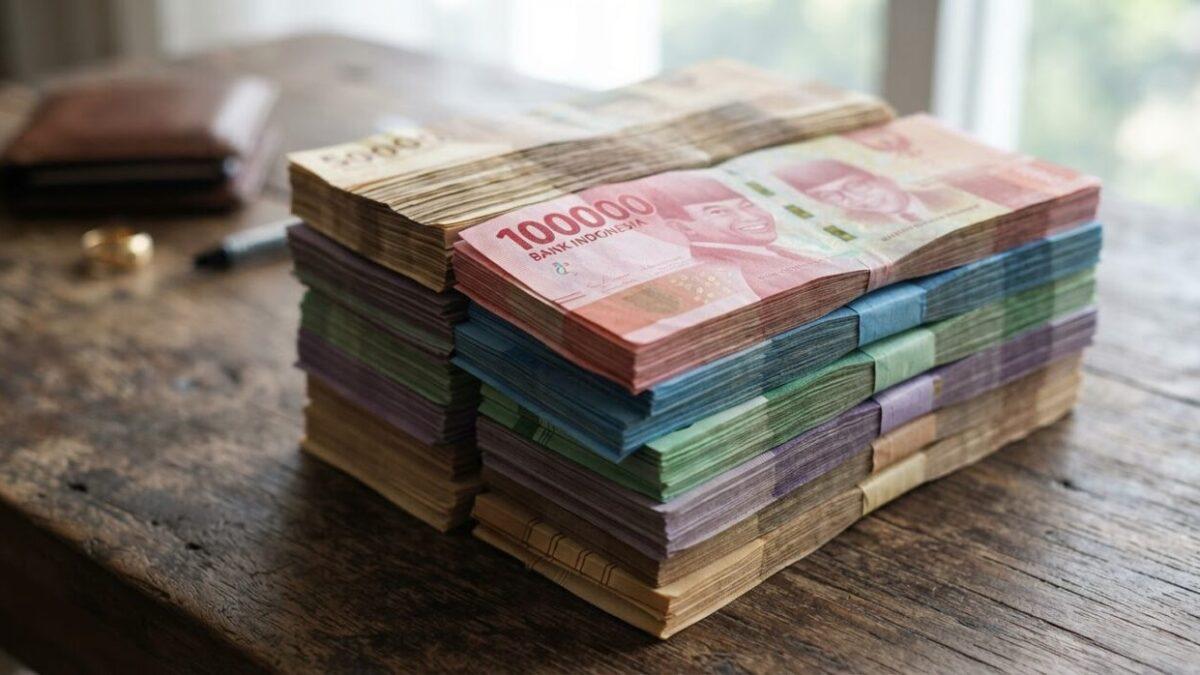
JAKARTA, Indonesia — The Indonesian rupiah fell beyond 18,400 per US dollar in the final week of November 2026, reaching its weakest level on record and raising potential costs for importers and businesses with dollar-denominated debt.
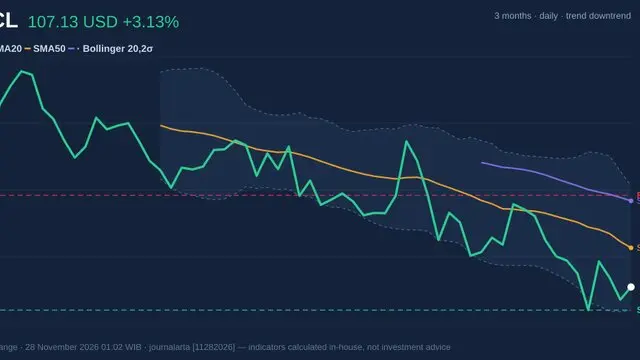
The currency had traded at 18,329.70 per dollar on Nov. 25 before weakening past 18,400. It had previously moved around 18,300 per dollar.
The rupiah weakened over the preceding month as the dollar strengthened globally. Expectations that US interest rates would stay higher for longer have influenced investor flows, with funds tending to move toward dollar assets viewed as safer and offering higher returns, putting pressure on emerging-market currencies.
Investors are also watching domestic political uncertainty, fiscal developments and rising energy subsidy costs. The government has recorded subsidy spending above IDR 500 trillion and is considering adjustments to subsidized fuel prices in 2027.
Trade and borrowing costs
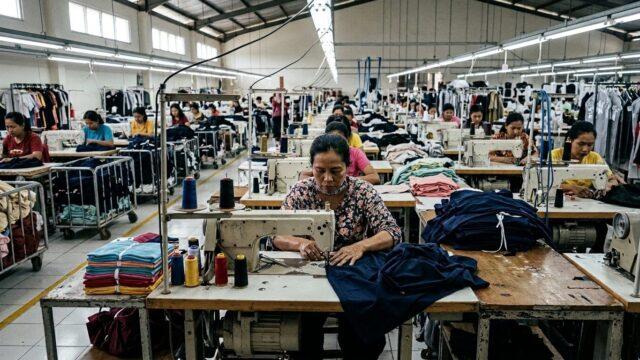
A weaker rupiah can raise the price of imported industrial materials, electronic components, medicines, food and beverages. Businesses with US dollar debt could also face higher repayment costs in local currency.
Indonesian exporters could benefit if their products become cheaper and more competitive abroad. Foreign visitors may also receive more rupiah for their money when spending in Indonesia.
Central bank response
Bank Indonesia, the central bank, raised its benchmark interest rate by 25 basis points to 6% at its Nov. 17–18 meeting, its first increase since June 2026. It raised the deposit facility rate to 5.25% and the lending facility rate to 6.75%.
The central bank said it would support exchange-rate stability through foreign-exchange market intervention, maintain adequate foreign-exchange reserves and strengthen coordination with the government. Indonesia’s balance of payments returned to a $100 million surplus, according to the source report.
At the central bank’s annual meeting on Nov. 27, Governor Destry Damayanti said Indonesia’s economy remained solid and resilient. Bank Indonesia forecasts growth of 4.9% to 5.7% in 2026 and says it could reach 6% in 2027.
Pressure also reached the stock market, where Indonesia’s benchmark Jakarta Composite Index fell as much as 1% and traded around the 5,200 level. The government is preparing an IDR 31 trillion stimulus package to support purchasing power in the fourth quarter of 2026.
 Take the quizWhat Kind of Holiday Spender Are You? Take the Black Friday QuizStart →
- 1Qualcomm stock climbs to $168.66 as chipmaker sets $500 target for CEO

- 2Sandisk shares jump nearly 16% to $85.36 after Kioxia-Nvidia test

- 3Tesla shares jump 4.86% to $398.60 after German robotics filing

- 4Apple shares edge up to $355.58 as AI selloff spares iPhone maker

- 5Nasdaq Composite rises nearly 2% as tech rebound eases AI fears

 LifestylePeople Who Cover Their Laptop and Water Bottle in Stickers Often Share These 6 Traits
 LifestyleWhat Constantly Shaking Your Leg While Sitting Says About You, Psychologists Explain
 Lifestyle · Food & HealthNormal Blood Sugar Levels: A1C, Fasting and After-Meal Ranges Explained
 Lifestyle · Food & HealthNorovirus Symptoms: How Long It Lasts and When You Stop Being Contagious