Rio Tinto Agrees to Pay $250 Million for Panguna Mine Cleanup
Rio Tinto has agreed to contribute US$250 million toward repairing environmental damage at the abandoned Panguna mine on Bougainville. Community leaders say the fund can help address polluted water and other urgent needs, though the money will not fully restore the site.
Rio Tinto has agreed to contribute US$250 million toward repairing environmental damage from the Panguna mine on Bougainville, the company and community leaders said on Tuesday, November 17, 2026.
The voluntary contribution, also reported as A$370 million, will fund remediation at the abandoned site in Papua New Guinea. The money will not be enough to fully repair the mine, but community leader Theonila Roka Matbob said it creates a chance to address problems residents have faced since operations began.
Clean water and access are priorities
Roka Matbob, a former cabinet minister in Bougainville’s autonomous government, called the fund a contribution toward repairing the “devastation left by the Panguna mine.” She said the work ahead includes finding solutions for environmental damage and investing in children’s futures.
She identified access to safe drinking water as a fundamental need, along with bridges that can make travel to trade, school and health care easier. “This is one critical area that immediately needs attention,” she said.
Bougainville President Ishmael Toroama said the funding would make a “meaningful difference” to villages and communities affected by mine pollution. He said continued engagement with residents would be essential to align the work with local priorities.
Mine legacy remains a danger
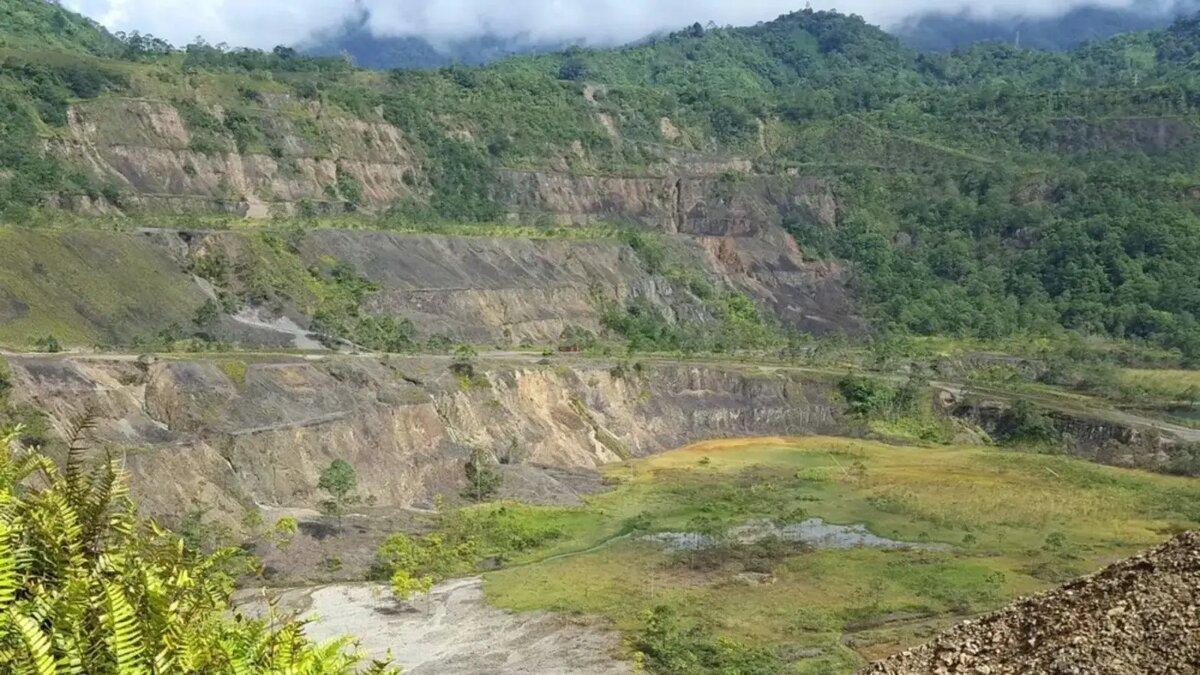
Panguna closed in 1989 after protests over environmental damage and the division of mining profits helped trigger a decade-long civil war on Bougainville. The abandoned site still has a vast open pit, unstable rubble and polluted rivers.
A recent environmental impact assessment found that landslides, levee collapses and floods continue to threaten lives. It said the river delta would remain polluted for a century if left untouched.
The fund grew out of a consultation process on the mine’s legacy impacts, launched after a human rights complaint brought by the Australian-based Human Rights Law Centre, with Roka Matbob as lead complainant. Keren Adams, the center’s legal director, said establishing the fund had taken years of work.
Rio Tinto chief safety and technical officer Mark Davies called the fund an “important milestone” intended to move from assessment to practical remedies. He said community engagement would be the next step in identifying priorities.
The mine’s political future remains tied to Bougainville’s independence campaign. The Papua New Guinea parliament is due to decide whether to recognize the island’s 2019 independence referendum, in which 97.7% of voters backed secession.
 Take the quizWhat Kind of Holiday Spender Are You? Take the Black Friday QuizStart →
- 1U.S. Emergency Alert Test Nov. 17 Is Not a Power Outage

- 2Women With Autoimmune Diseases Wait About 4 Years for Diagnosis, Study Finds

- 3DUP Chairman Lord Morrow Loses Wife and Daughter Within Hours in NI
- 4Micron Stock Falls 28% as $35.16 Billion Buyback Nears
- 5I’m A Celebrity 2026 Line-Up: Rooney Leads 11 Stars Into Jungle

 Lifestyle7 Signs Your Social Battery Is Running Low (and Why You Keep Cancelling Plans)
 Lifestyle · Food & HealthThanksgiving Food Safety: How Long Leftovers Last and the Safe Turkey Temperature
 Lifestyle7 Quiet Habits of Emotionally Intelligent People, According to Psychologists
 LifestylePeople Who Don’t Like Celebrating Their Birthday Often Share These 7 Traits