Oil Falls as Surplus Forecasts Weigh Despite Middle East Risks
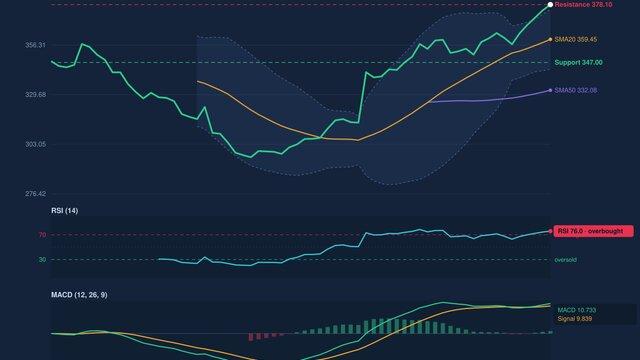
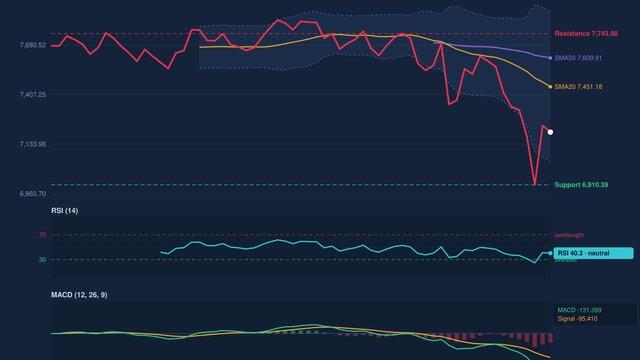
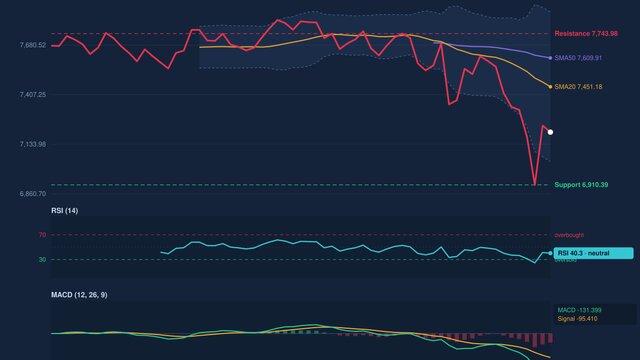
Brent crude fell 3.5% to $92.44 a barrel Monday, while U.S. benchmark West Texas Intermediate dropped 3.2% to $85.72. Traders weighed expectations of a growing global supply surplus against renewed threats to Middle Eastern oil shipments and attacks on tankers.
Oil prices fell Monday as traders weighed a growing global supply surplus against renewed threats to Middle Eastern shipments. Brent crude futures dropped 3.5% to $92.44 a barrel, while West Texas Intermediate fell 3.2% to $85.72.
Both benchmarks logged a second consecutive weekly decline, amid recovering Gulf exports and expectations that supply will outpace demand. The latest attacks on shipping showed that disruption risks remain.
Surplus forecasts weigh on prices
Goldman Sachs expects the oil market to have a surplus of about 2 million barrels a day in 2027, as Middle Eastern producers restore output and high prices weigh on demand. The bank forecasts Brent to average $88 a barrel next year before falling to $78 by year-end.
About 3.8 million barrels a day of additional pipeline capacity is expected to come online over the next year. That capacity could help Gulf producers increase exports despite shipping disruptions.
J.P. Morgan estimated that global oil supply exceeded demand by 1.1 million barrels a day in September and 1.4 million barrels a day in October. The International Energy Agency said Friday that recovering Middle Eastern exports were expected to push the market back into surplus in the fourth quarter.
The agency warned that further attacks on shipping could undermine the recovery. Siebert Financial Chief Investment Officer Mark Malek said, “The oil market has stopped trading geopolitical headlines and started trading actual supply.”
Attacks keep shipping risks in focus
A Saudi-led military coalition said Sunday that it intercepted two Houthi ballistic missiles launched toward Riyadh and several drones targeting the kingdom, including its oil-producing Eastern Province.
Bahrain reported intercepting Iranian attacks over the weekend. U.S. Central Command said two Iranian drones were intercepted and no American forces were hit.
U.K. Maritime Trade Operations said Sunday that Indian shipping authorities had reported an attack on a tanker traveling eastbound through the Persian Gulf before entering the Strait of Hormuz. The crew was safe, but the extent of damage remained unknown.
Ole Hansen, head of commodity strategy at Saxo Bank, said recovering Middle Eastern production had increased the prospect of oversupply. He also pointed to stalled U.S.-Iran negotiations and continued tanker attacks as risks to prices.
Saudi Arabia and the United Arab Emirates cut official selling prices for December deliveries as regional producers competed for market share. Mizuho Securities USA commodity specialist Robert Yawger said supply forecasts and assumptions that the United States would hold off on attacks on Iran “have all added to the bearish momentum that has been gathering strength in recent days.”
 Take the quizWhat Kind of Holiday Spender Are You? Take the Black Friday QuizStart →
- 1Dow Futures Jump 1.5% as Wall Street Tries to Rebound From Rout

- 2Dow futures slip as AI stocks give back Nvidia’s rally
- 3Nasdaq Falls Into Correction as Buffett’s Crash Advice Resurfaces

- 4Fed, Broadcom and Micron Make Dec. 9 a Big Day for Stocks

- 5Wall Street slips as chip selloff drags Nasdaq lower, but Dow rises
 Lifestyle · Food & HealthCold vs Flu vs RSV: How to Tell the Difference by Symptoms, Speed and Duration
 LifestyleWhy Do Long Lines Make People Curious? 5 Reasons We Join the Crowd
 Technology · Apps & SoftwareHow to Secure a Home Wi-Fi Network: 7 Steps Cybersecurity Agencies Recommend
 Lifestyle · Food & HealthHigh Blood Pressure: Symptoms, Readings and 5 Ways to Lower It, Experts Say