Russia’s Master Key Talks Push Europe to Name Its Negotiators
EU leaders in Dublin agreed a negotiating team of EU institutions and five countries for any Ukraine peace talks, as Russia revives demands for a European security overhaul. Kaja Kallas called the demand a distraction from the need for a ceasefire.
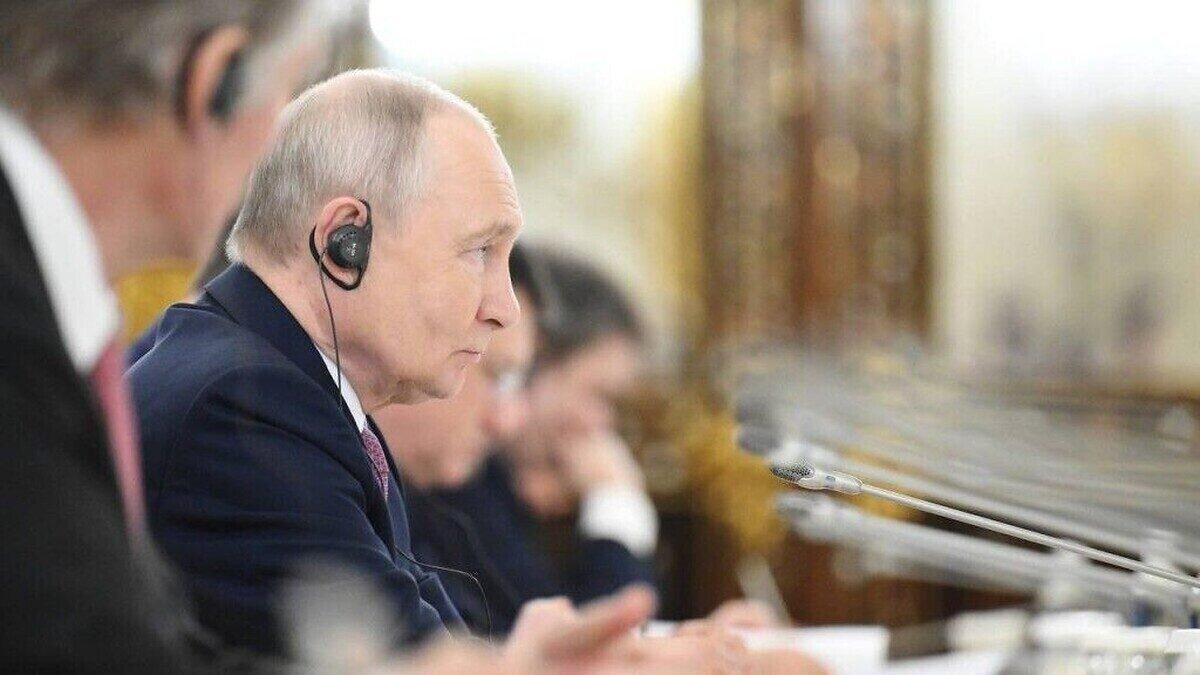
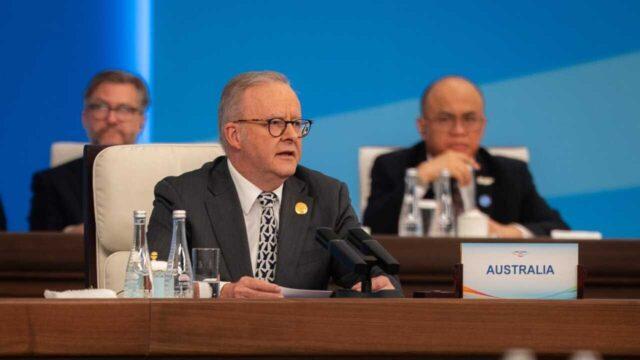
European Union leaders at a summit in Dublin agreed a negotiating team for any Ukraine peace talks, made up of the EU institutions and five countries, after Russia revived demands to overhaul European security. Analysts describe Russia’s master key talks strategy as a way to reopen the continent’s security order.
European Council President António Costa said the team would combine the EU institutions with the so-called E5: Britain, France, Germany, Italy and Poland. “Europe must speak with one clear and united voice in all discussions that shape the future of Ukraine and the security of our continent,” he said. “This is ultimately a team effort.”
The summit of the European Political Community in Dublin drew 50 representatives from countries around the world, including Ukrainian President Volodymyr Zelenskyy. The war in Ukraine and possible scenarios for ending it were on the agenda.
Zelenskyy had urged his European allies to decide who will represent Europe in negotiations. The format had already emerged in recent months, but the need to formalize it gained momentum.
Paris and Berlin argued for a continued role for their own envoys in the E3 format of Britain, France and Germany, alongside EU representatives. Smaller member states put more emphasis on Costa and Kaja Kallas, the EU’s high representative for foreign affairs and security policy.
Kallas warned against “walking into the traps that Russia is setting.” She said Moscow wanted a debate on European security to divert attention from its aggression.
“We have one aggressor and one victim, and the aggressor does not have security concerns,” Kallas said on arrival in Dublin. “Nobody has ever attacked them. They have attacked others. I mean, keep the focus, people.”
She set out a sequence: first a ceasefire so the bombardment of civilians stops, then talks on a peace agreement. Only then could the security architecture be discussed. She said one already exists, citing the Helsinki Final Act, the Charter of Paris and the Budapest Memorandum, which she said Russia does not comply with.
Where the demand comes from
In the latest round of talks in Abu Dhabi between Ukraine, Russia and the United States, Russia revived hardline demands for a total overhaul of European security. Those demands were rejected in 2021 because they were seen as an infringement of the sovereignty of central and eastern European countries.
Sławomir Dębski, former director of the Polish Institute of International Affairs, said the term “European security architecture” has Soviet origins. “The term is associated with the Soviet demand and the Russian dream of having the Americans withdraw their troops from Europe,” he wrote.
Robert Pszczel, an analyst at the Centre for Eastern Studies and former director of the NATO Information Office in Moscow, said Moscow has long promoted the phrase as a “skeleton key” for opening discussions about “indivisible security.” US envoys Steve Witkoff and Jared Kushner have since taken up the term.
Who speaks for Europe
Kushner said Russia and Ukraine had agreed to widen the next round of peace negotiations to include Europeans. Russia quickly contradicted that. The Kremlin said it would decide on an expanded format once it understood Europe’s “real intentions.”
Russia’s lead negotiator in Abu Dhabi, Vladimir Medinsky, said it was “unclear what there is to discuss” with Europe. Kushner had earlier mocked the absence of a single European voice, saying that identifying one person to speak for the continent “would be a bigger achievement than getting the Russians to include them in the negotiations.”
German Chancellor Friedrich Merz said Russia wants to talk about European security architecture, but “we do not need to discuss that; it already exists.” European Commission President Ursula von der Leyen said it was “self-explanatory that Europe is included in the peace talks to safeguard our interests, but also to support Ukraine.”
Kallas said the architecture debate distracts from the real issue. “The discussion about a European security architecture is, in fact, a distraction from the issue on which it should be focused, namely a ceasefire and an end to the killing in Ukraine,” she said.
 Take the quizWhat Kind of Holiday Spender Are You? Take the Black Friday QuizStart →


 Lifestyle · Food & HealthWhat Is Raynaud’s Syndrome? Why Fingers Turn White in the Cold
 Lifestyle · Food & Health4 Ways Walking After Meals Helps Your Body, Doctors Say
 Lifestyle · Food & Health4 Reasons to Eat Oatmeal, According to Nutrition Experts
 Lifestyle7 Signs Your Social Battery Is Running Low (and Why You Keep Cancelling Plans)