Michel Houellebecq Charged Over 2022 Interview on Islam
French novelist Michel Houellebecq was charged on November 10, 2026, in Nanterre over a 2022 magazine interview about Islam and immigration. His lawyers reject the allegation, and the case has fed a debate over France criminalizing critics of Islam.
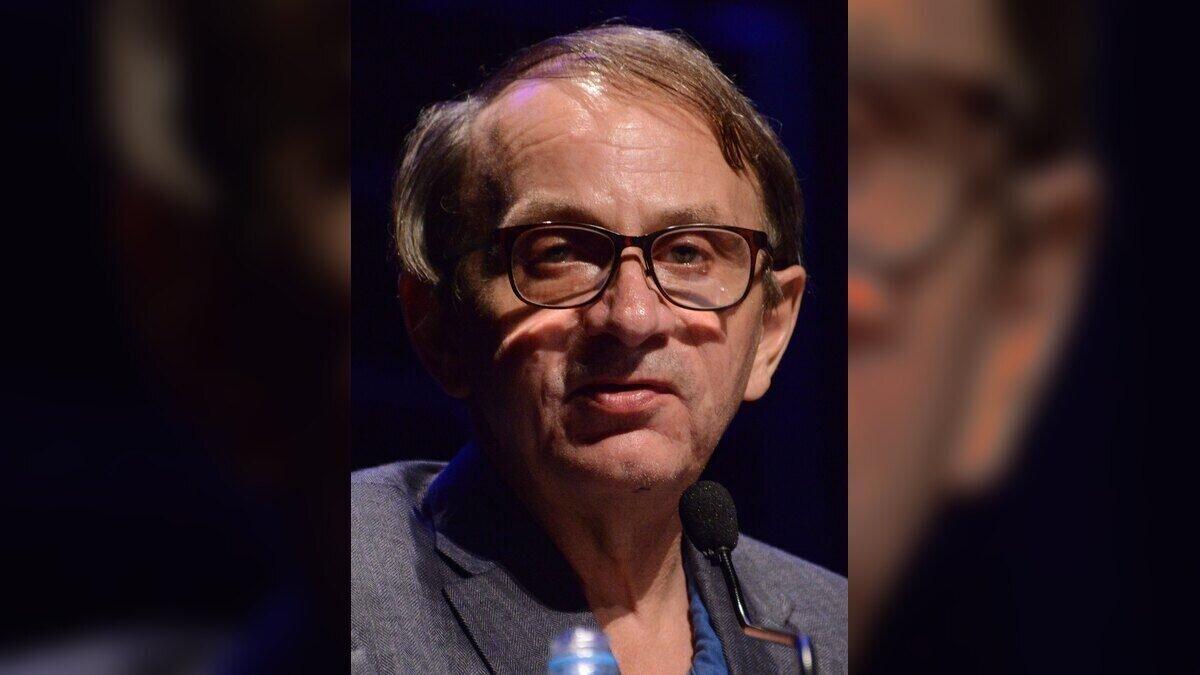
A judge in Nanterre, France, charged novelist Michel Houellebecq on November 10, 2026, with complicity in incitement to discrimination, hatred or violence over a 2022 interview in which he criticized Islam. The case has drawn accusations of France criminalizing critics of Islam, a charge made in a US opinion column.
The interview ran four years ago in the magazine Front Populaire. In it, Houellebecq criticized Islam and voiced concern about mass immigration into France.
What the complaint says
The Union of Mosques of France and a group called the Movement Against Racism and for Friendship Between Peoples filed the legal complaint. They accuse the author of inciting violence.
The complaint also names the interviewer and the director of the magazine as defendants.
Houellebecq said in the interview that "when entire territories come under Islamist control … [violent] acts of resistance will take place." He also described what he called the wish of the population with French roots for the violence to decrease and for Muslim immigrants to respect the law and people.
Defense response
Houellebecq's lawyers reject the allegation. They said the remarks have "no dimension of incitement, not even implicitly."
They added that Houellebecq regrets "the increasing judicialization of intellectual debate." In a further line, they said "a prophet of doom does not wish for disaster."
The author lives in Paris. Charging does not amount to a finding of guilt, and no trial date has been reported.
A writer with a history of threats
Houellebecq has faced danger over his work before. His 2015 novel "Submission" imagines France electing a Muslim president who brings radical political and social change.
The book came out a day before the Charlie Hebdo attack in Paris, where 12 employees of a satirical magazine that had caricatured Muhammad were killed. One of them was a friend of Houellebecq's.
He suspended his book tour, left his Paris home and went into hiding. He was later given police protection.
The opinion column that brought the charge to wide attention argues it came while the country faced weeks of unrest. It cites damage above €1 billion to insured property. It also says more than 1,000 police officers were injured on October 17 alone, and that nearly 2,500 businesses were damaged that day.
The mosque union and the anti-racism movement have not been quoted in the reporting available on the case. The charge in Nanterre stands, and the interviewer and magazine director remain named in the complaint.