Can Sino-EU Relationship Move Past EV Truce? 350,000 Car Cap
A China-EU trade deal in early October capped Chinese electric vehicle exports to the bloc at 350,000 cars a year. Analyst Brian Wong says it buys time but leaves deeper tensions over overcapacity, jobs and mistrust unresolved.
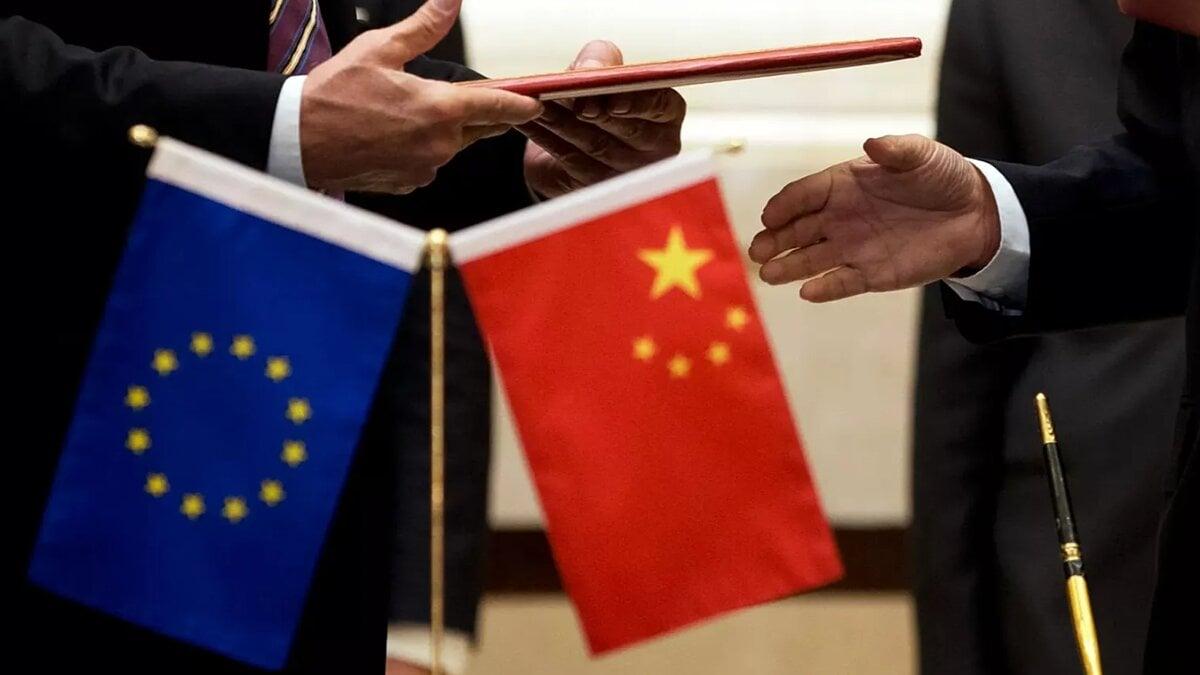
Brian Wong, an assistant professor in philosophy at the Centre on Contemporary China and the World at HKU, argued in an analysis published November 9, 2026 that an early-October trade deal offers only a temporary reprieve, and he questions whether the Sino-EU relationship can move beyond it.
Under the agreement, China will cap its electric vehicle exports to the European Union at 350,000 cars per year. Wong says that reduces projected market share by 50% over a four-year period. The deal followed rounds of protracted and at times heated negotiations.
Wong says Beijing should take European concerns more seriously, while Brussels should pursue a less confrontational approach. He calls for mutually beneficial partnerships to preserve market access and rebuild trust.
The EU's core complaint is not new. Officials in the bloc are convinced that the trade deficit with China has hurt its manufacturers and its wider national security interests, Wong writes. They had sought curbs on Chinese output of sought-after goods such as electric vehicles.
A surprising Chinese concession
Wong calls the Chinese response perhaps the more surprising part. Chinese officials have long dismissed the "overcapacity" narrative as a pretext for protectionism. In July, China's Ministry of Commerce issued a statement urging a "comprehensive, objective, and fair view" of what it called the "So-called Excess Capacity Issue."
One reading of the deal, Wong says, is that Brussels won a game of brinkmanship. Beijing would rather keep some access to European markets than none. Hardliners had argued the Europeans were bluffing on market access, but more cautious voices eventually approved the compromise.
Why tensions persist
The underlying issues remain, according to Wong. The EU's production capacity in advanced goods such as electric vehicles, solar panels and lithium batteries ranges from near non-existent to heavily dependent on imports. He cites high overheads, including bureaucratic hurdles, legal constraints, labor costs and compliance requirements.
Many in Brussels also point to the competitiveness of Chinese exports, Wong writes. Whether those exports result from subsidies and active industrial policy is, in his words, fundamentally peripheral.
As long as that dynamic holds, he says, worries about job losses, reliance on foreign partners and exposure to supply chokepoints will keep weighing on the relationship. Some Chinese officials describe cheap renewable exports as global public goods. Wong sees some merit in that view in the abstract, but says it has not landed well with European audiences, especially senior officials and politicians in Brussels.
France and Germany align
Wong traces the recent dispute to late summer. France and Germany, long-standing rivals within the bloc, reached an unusual level of alignment on trade policy toward China. He says both were spooked by the rise of the far right, which exploits the grievances of the unemployed, and by complaints from their own industrialists.
French President Emmanuel Macron and German Chancellor Friedrich Merz then sent a joint letter to European Commission President Ursula von der Leyen. It advocated bloc-wide action, including rapid retaliation and restrictions on single-market access.